
Governance & Consulting
Risk Assessment
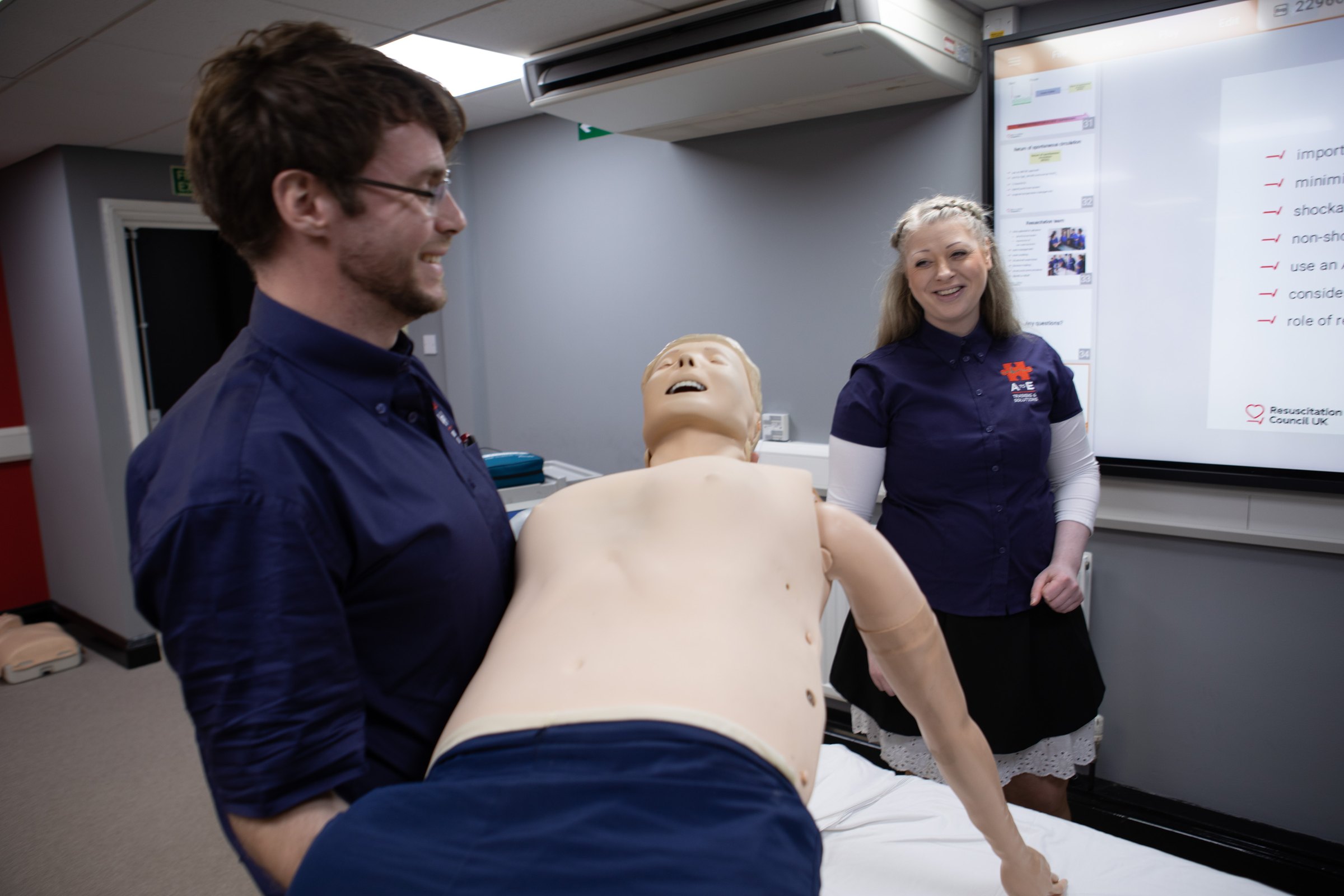
A Resuscitation Risk Assessment gives your organisation a clear picture of how likely a cardiac arrest or medical emergency is in your setting, and what you need in place to respond safely. A to E carries out these assessments for healthcare providers across the UK, led by clinical and resuscitation specialists.
The outcome is practical: an understanding of your risks and clear recommendations on equipment, staffing, training and policy, so you can make informed decisions rather than guess.
Governance & Consulting
Why a Resuscitation Risk Assessment Matters
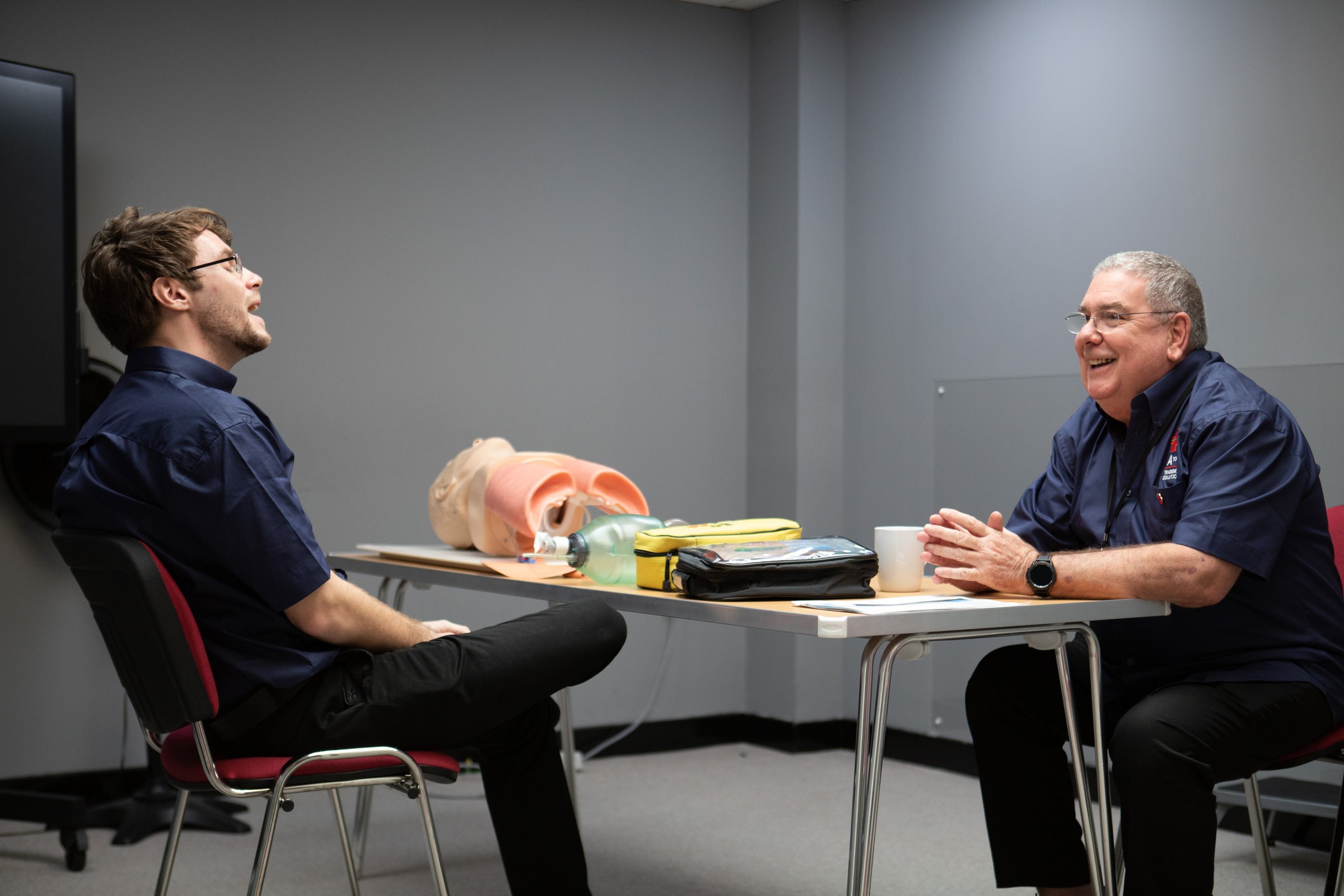
Every healthcare setting is different. A busy acute ward, a dental surgery, a mental health unit and a community clinic all face different patient groups, different emergencies and different response times. A one size fits all approach to resuscitation can leave some areas under prepared and others over equipped.
A Resuscitation Risk Assessment helps you match your arrangements to your actual risk. It is also a useful record for managers and regulators, showing that decisions about equipment and training have been thought through. The Resuscitation Council UK quality standards expect organisations to base their resuscitation arrangements on the needs of their patients and services.
General guidance on assessing workplace risk is also available from the Health and Safety Executive.
Governance & Consulting
What Our Resuscitation Risk Assessment Looks At
Each assessment is tailored to your organisation, but typically considers:
- Your patients: the people you care for, their likely clinical needs and the emergencies they are most at risk of
- Your environment: the layout of your site, how quickly help can reach a patient and where emergency equipment is kept
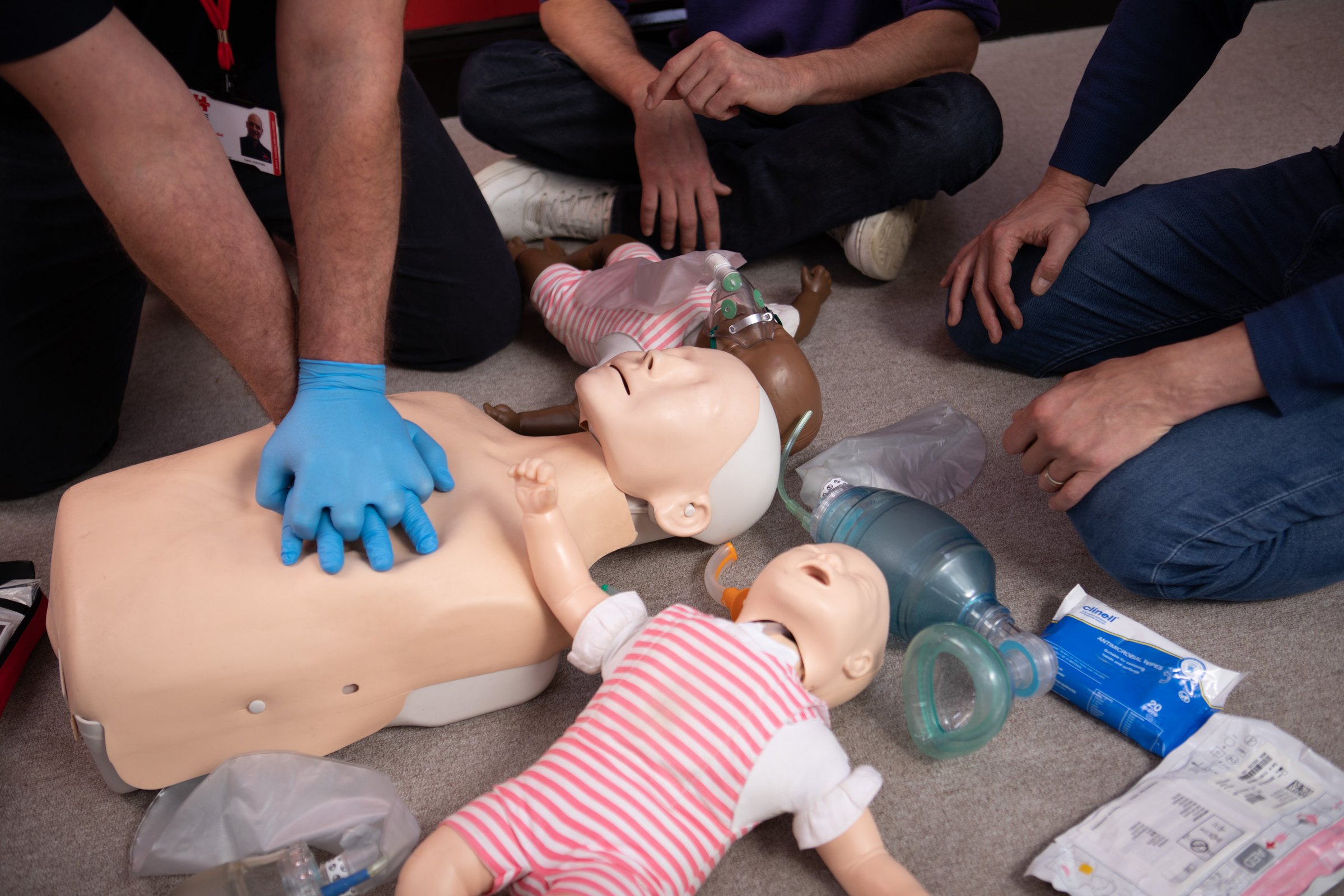
- Your equipment: whether defibrillators, airway equipment, emergency drugs and resuscitation trolleys are appropriate, accessible and checked
- Your staff: who is on duty, their roles and whether their resuscitation training matches what they may be asked to do
- Your processes: how emergencies are called, escalated and handed over, and how existing policies work in practice
Governance & Consulting
What You Receive
At the end of the assessment, you receive clear findings and practical recommendations. These may cover equipment changes, training priorities, policy updates or changes to how emergencies are managed.
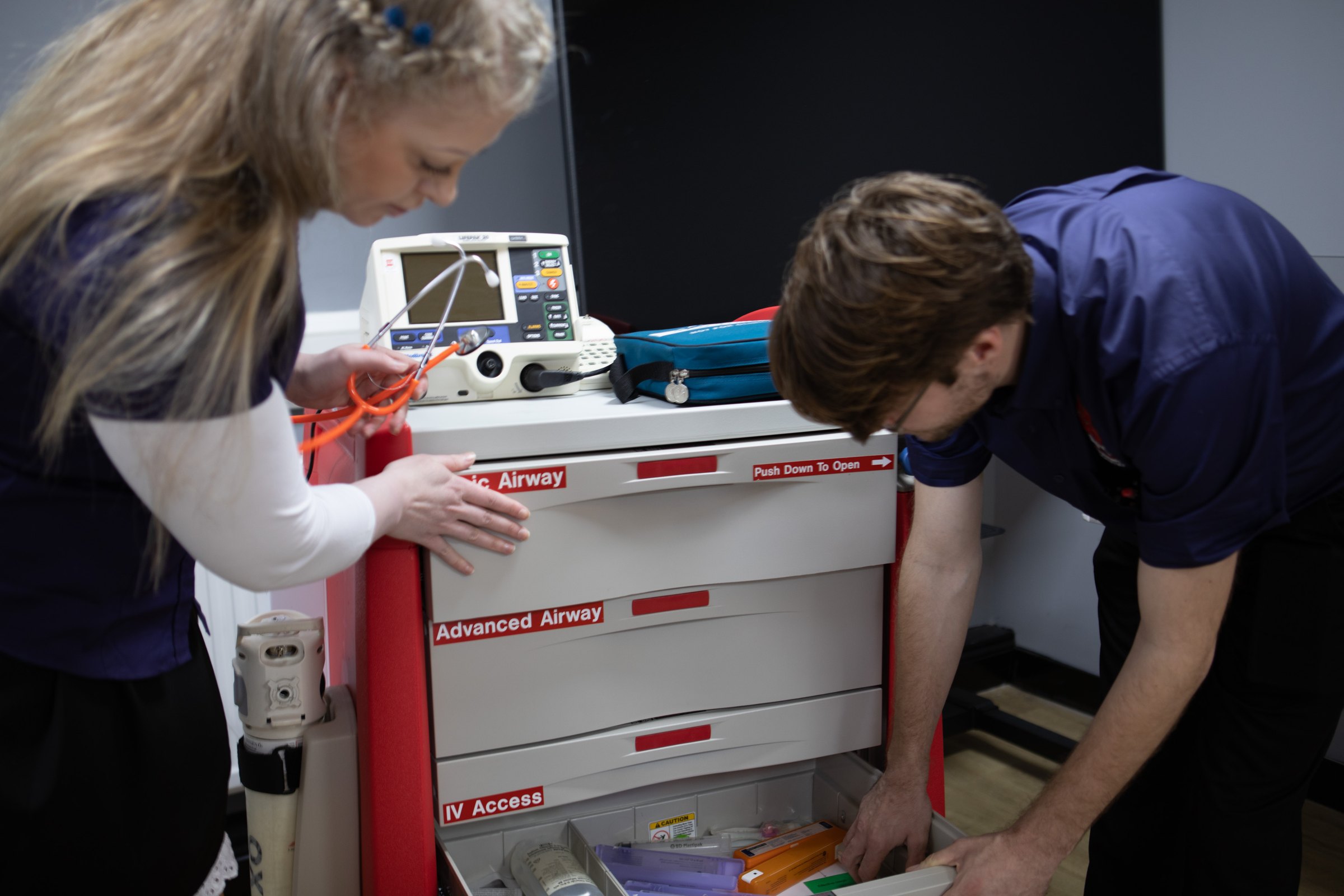
Because our team also delivers resuscitation training, simulation and policy support, we can help you act on the recommendations rather than leaving you with a report alone.
Governance & Consulting
Who Needs a Resuscitation Risk Assessment
A Resuscitation Risk Assessment is useful for any organisation that provides healthcare, including hospitals, clinics, care settings, dental practices and community services. It is particularly valuable when you are:
- Opening a new service or site
- Changing the type of patients you care for
- Reviewing defibrillator or resuscitation equipment provision
- Preparing for an inspection
- Responding to an incident or near miss
Governance & Consulting
Part of Our Governance and Consulting Service
Risk assessment is one part of our wider governance and consulting support, and of our Comprehensive Resuscitation Service. That support also includes policy development and review, audit, debrief and investigation. Many organisations start with a risk assessment and build from there.
Related courses
Frequently Asked Questions About Resuscitation Risk Assessment
What is a Resuscitation Risk Assessment?
How often should we review it?
Will you visit our site?
Can you help us act on the findings?
Who carries out the assessment?
Book a Resuscitation Risk Assessment
To discuss a Resuscitation Risk Assessment for your organisation, call 0800 112 3205, email admin@a-ets.com or contact our team.
"*" indicates required fields