
Associated Training Programmes
Overview
Our Patient Handling Level Two course has been designed especially for those who are required to move patients as part of their role. It introduces the anatomy of the body and how this can be injured when moving and handling patients incorrectly.
Students will learn the importance of correct handling techniques to protect themselves and their patients. The course includes both theory and a practical assessment, so you finish the session having demonstrated safe technique, not just read about it.
Associated Training Programmes
Why Patient Handling Training Matters
Moving and handling is part of everyday life in hospitals, care homes and community settings. It is also one of the most common causes of injury to health and care staff. Back and shoulder injuries can build up over time from repeated poor technique, and they can have long term consequences for a person’s health and career.
Patients are at risk too. A poorly planned transfer can lead to falls, skin damage, pain and loss of confidence. Patient Handling Level Two gives staff a clear framework for assessing each move, choosing the right method and using equipment properly.
Employers have duties under the Manual Handling Operations Regulations 1992 to avoid hazardous manual handling where reasonably practicable, and to assess and reduce the risk of injury where it cannot be avoided. The HSE manual handling guidance is a useful place to read more.
Associated Training Programmes
Why Choose A to E for Patient Handling Level Two
A to E Training & Solutions is a clinical training provider, and every member of our team is a qualified clinician and a subject matter expert in their own right. Our instructors have real life clinical experience, so they understand the practical pressures of moving patients on a busy ward or in a care setting.
Our Patient Handling Level Two course is internally quality controlled to ensure the highest educational standards, and as an organisation we hold Skills for Health Quality Mark accreditation. We have a robust professional development programme in place for our own team, so the training you receive stays current.
Associated Training Programmes
Who the Course Is For
Patient Handling Level Two is aimed at anyone whose job involves moving, transferring or repositioning patients. That includes nurses, healthcare assistants, care workers, support workers, therapy staff and porters working in hospitals, care homes, mental health services and community care.
It is also suitable for organisations that want to give a whole team the same safe, consistent approach to patient handling. Staff who handle inanimate loads rather than people may find our Load Handling Course a better fit.
Associated Training Programmes
What You Will Learn
The course includes:
- An overview of health and safety legislation including the Manual Handling Regulations
- Common injuries caused by patient moving and handling
- Long term consequences of injuries
- Common load handling hazards
- Completing a Patient Handling Risk Assessment
- Additional risks presented by patients with Dementia
- Overview of the TILE tool
- Good patient handling techniques
- Overview of using lifting equipment and mechanical aids
- Reporting Issues and accidents
Associated Training Programmes
How Patient Handling Level Two Is Delivered
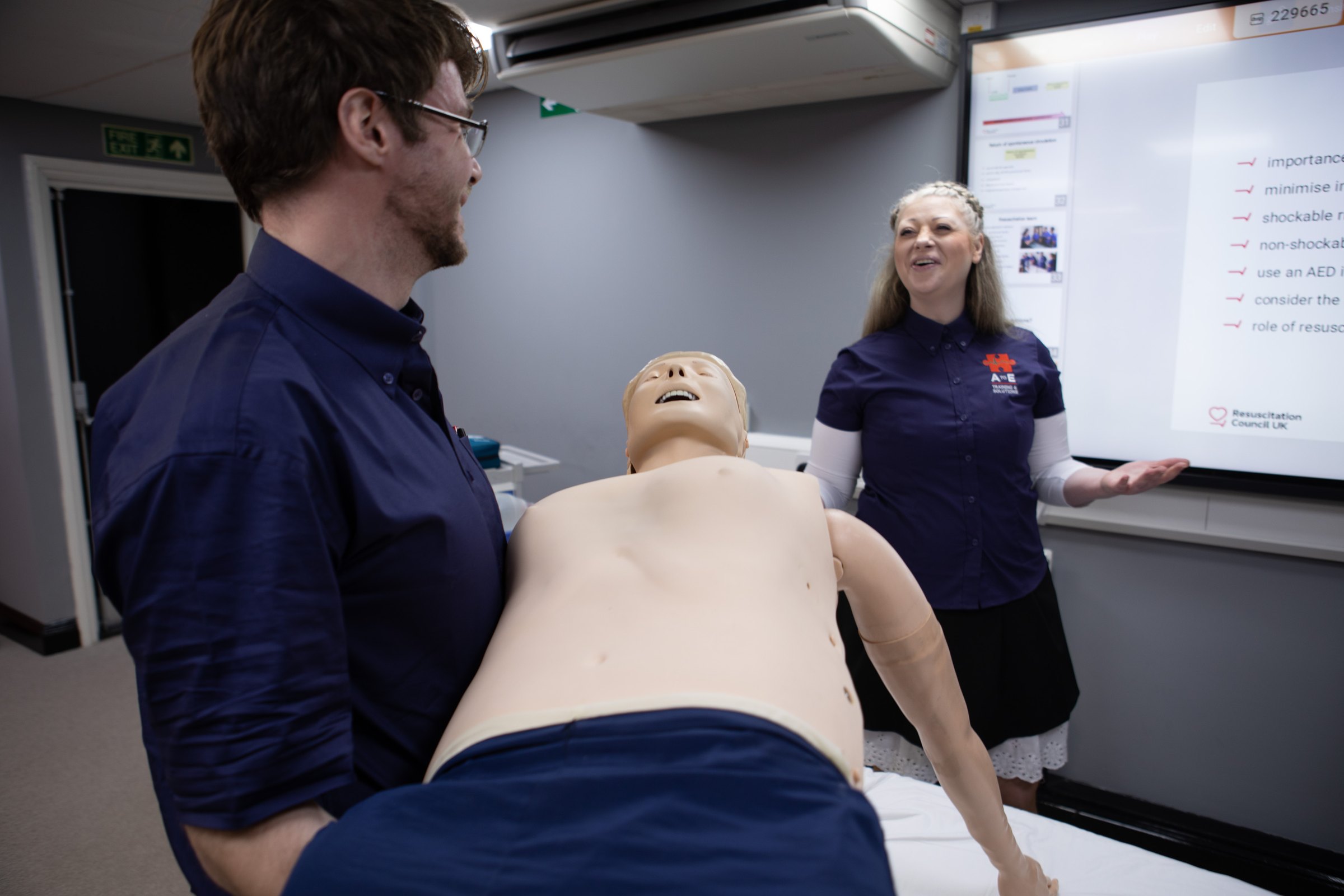
The session runs for up to 3.5 hours and blends theory with practical work. It starts with the legal background, including the Manual Handling Regulations, before looking at the anatomy of the body and the common injuries caused by incorrect patient moving and handling.
You will then explore risk assessment. Using the TILE tool, which looks at the Task, the Individual, the Load and the Environment, you will learn how to complete a patient handling risk assessment and how to adapt your approach for patients with dementia, who may present additional risks.
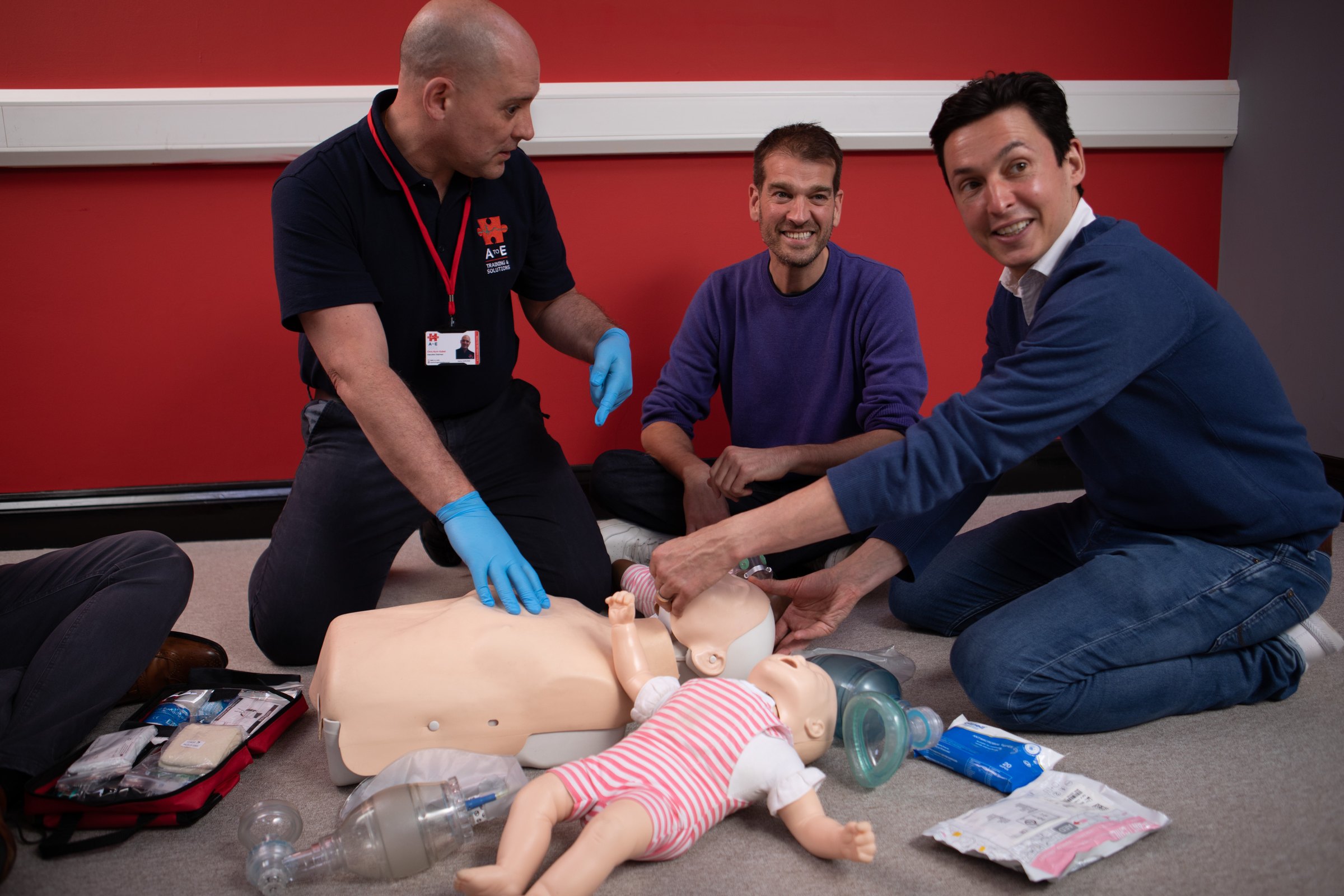
The practical part of Patient Handling Level Two focuses on good patient handling techniques and an overview of lifting equipment and mechanical aids. The course finishes with how to report issues and accidents, and includes a practical assessment of your handling technique.
Associated Training Programmes
Certification and Validity
The Patient Handling Level Two certificate is valid for 2 years. We aim to issue all certificates within 5 working days of course completion, and in most cases we are able to issue them within 24 hours.
If your organisation would like to deliver moving and handling training in house, our Moving and Handling Key Trainer Course prepares experienced staff to train their colleagues.
Associated Training Programmes
Where We Deliver Patient Handling Level Two
Our dedicated training facility is in Archway, North London, but the vast majority of the training we deliver takes place at client sites across the UK. Running Patient Handling Level Two at your own site can help staff relate what they learn to the environment they work in every day. We can deliver at your venue as long as it is suitable for the course, and we can help secure a venue if needed.
Travelling to London? There is a Premier Inn just a 5 minute walk from the course centre and a number of other hotels nearby. The centre is around 15 minutes from Central London by Underground.
Associated Training Programmes
Group Bookings and Individual Places
We offer both group bookings and individual course spaces for courses running at our course centre in London. Group bookings work well for wards, care homes and community teams that want to train staff together, and we would love to talk to you about your requirements.
Frequently Asked Questions About Patient Handling Level Two
How long does the course take?
How long is the certificate valid for?
What is the TILE tool?
Does the course cover patients with dementia?
Will we use lifting equipment on the course?
Is the course accredited?
Can you train our staff at our workplace?
Book Your Patient Handling Level Two Course
Help your staff protect themselves and their patients with practical, clinician led training. Whether you need a single place or a session for your whole team, make an enquiry today and we will help you arrange Patient Handling Level Two at a time and place that suits you.
"*" indicates required fields