
Deteriorating Patient Training
Overview
PRADAR Training (Paediatric Recognition of Acute Deterioration and Response) is a multi-disciplinary, interactive course that allows staff to understand and develop skills in the recognition of deteriorating infants and children, and the process by which to escalate for further assistance or transfer.
Children can compensate for illness surprisingly well, and then deteriorate quickly. Staff who know what to look for, and how to raise the alarm clearly, are in the best position to act before a child becomes critically unwell. This course builds that knowledge and confidence across the whole team.
Deteriorating Patient Training
Why Paediatric Deterioration Training Matters
Infants and children are not small adults. Their normal observations vary with age, their signs of illness can be subtle, and an unfamiliar or worried child can be harder to assess. For teams who see children less often, this can make early warning signs easier to miss.
PRADAR Training gives staff a structured way to assess any sick infant or child, a scoring system to support decisions, and a shared language for escalation. The result is earlier recognition, clearer communication and more timely help for the child.
Deteriorating Patient Training
Why Choose A to E for PRADAR Training
A to E Training & Solutions is accredited by the Resuscitation Council UK as a course centre for Paediatric Immediate Life Support, European Paediatric Life Support, Immediate Life Support, Advanced Life Support and Generic Instructor Courses. Courses such as PRADAR are internally quality controlled to ensure the highest educational standards, and as an organisation we hold Skills for Health Quality Mark accreditation.
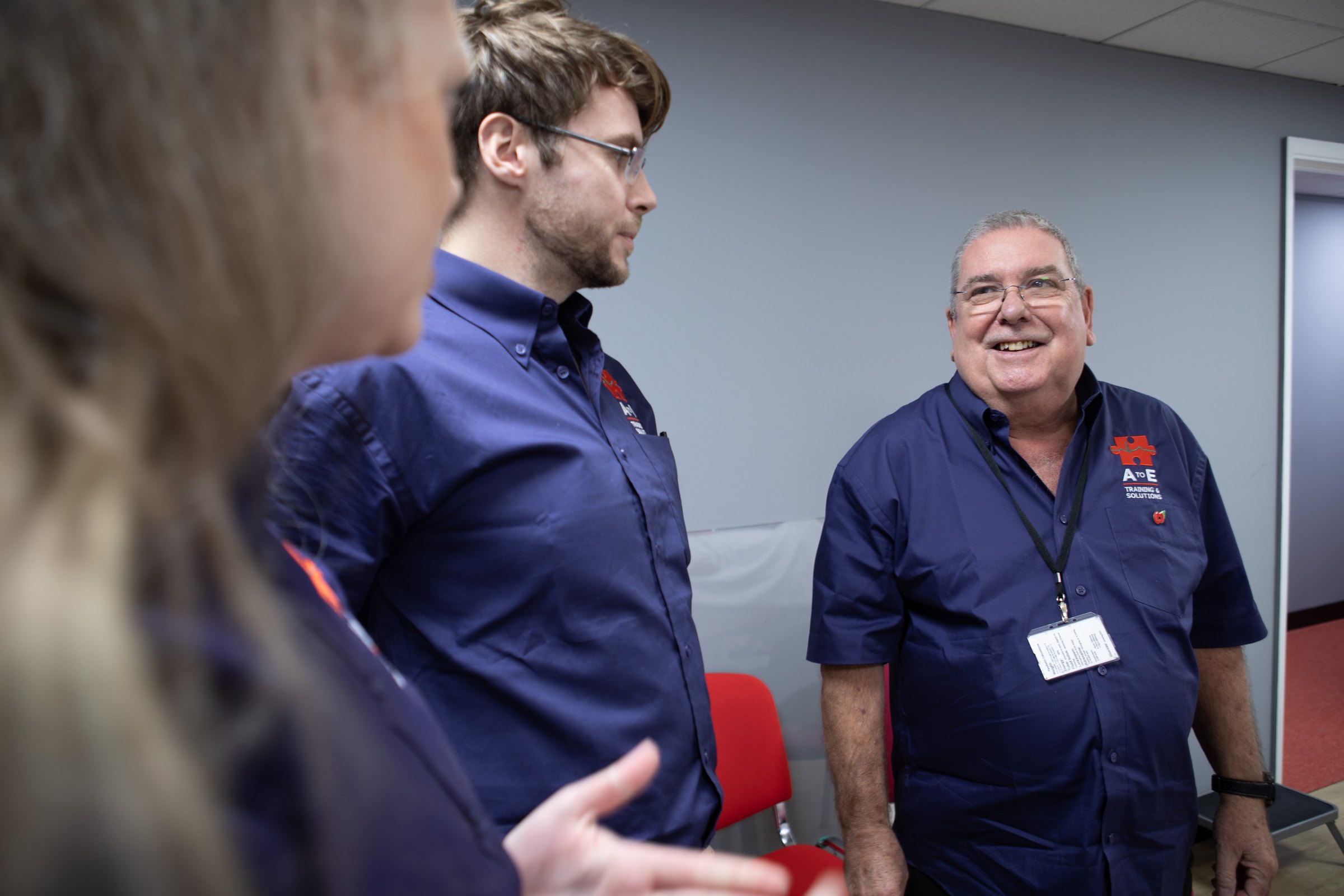
Every member of our team is a qualified clinician and a subject matter expert in their own right. Our instructors have real life clinical experience of the subjects they teach, which means the scenarios feel authentic and the advice is grounded in everyday practice.
Deteriorating Patient Training
Who the Course Is For
PRADAR is a multi-disciplinary course for staff who care for infants, children and young people. It suits registered professionals and support staff, as well as colleagues in mixed settings who see children less frequently and want to feel more confident when they do.
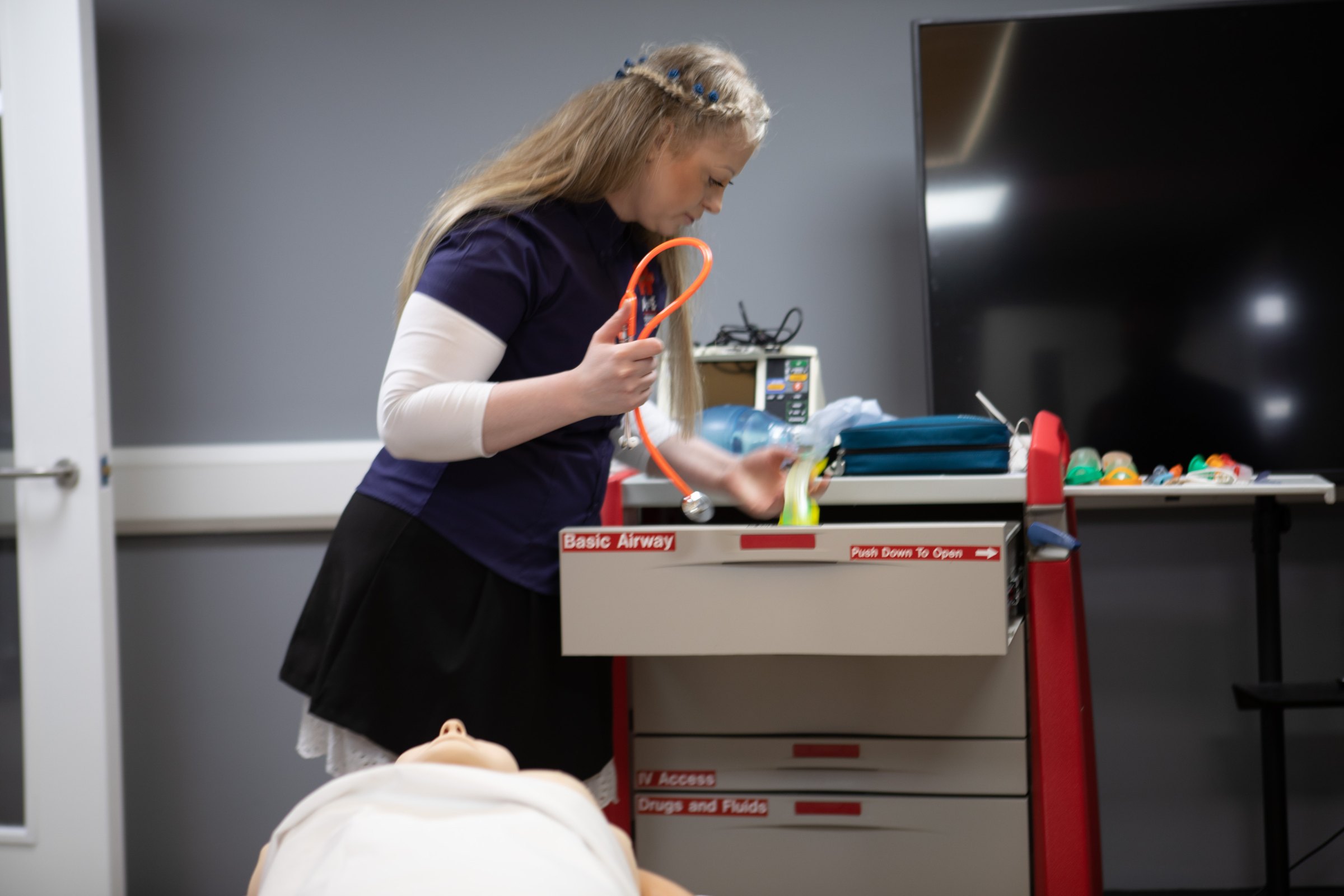
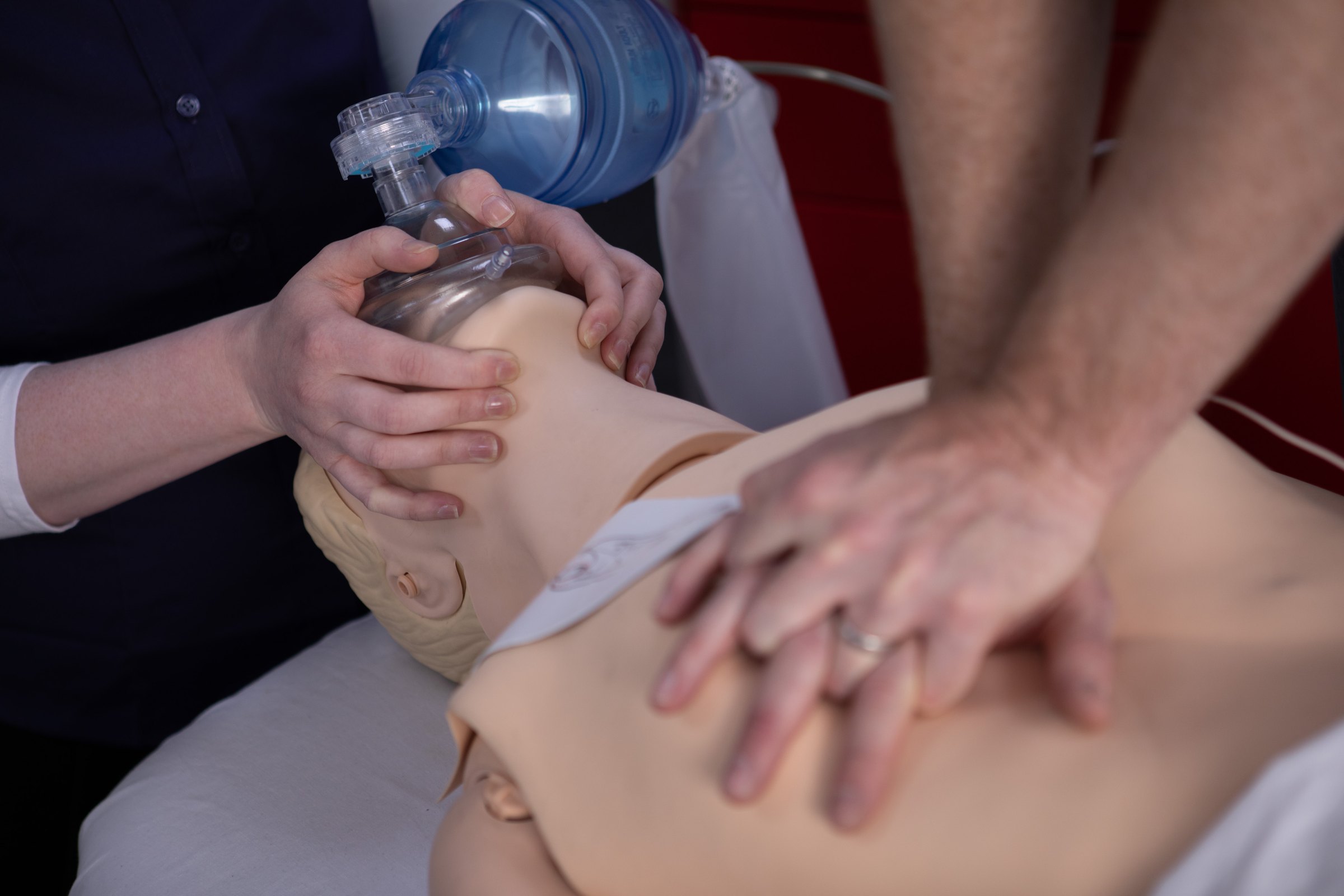
Some practical elements, such as giving ventilations with a bag valve mask, are included where appropriate to the delegate’s role. This makes the course flexible enough for teams with a range of responsibilities.
Deteriorating Patient Training
What You Will Learn
During the course, you will develop the knowledge and skills required to:
- Understand national goals of reducing the number of preventable deaths
- Be able to recognise and assess a deteriorating paediatric patient using an A,B,C,D,E structured approach
- Understand the Multidisciplinary Team approach to Patient Care
- Be able to use the onsite PEWS scoring system in accordance with local policy
- Understand when transfer to critical care is required
- Practise effective communication within the multidisciplinary team using SBAR
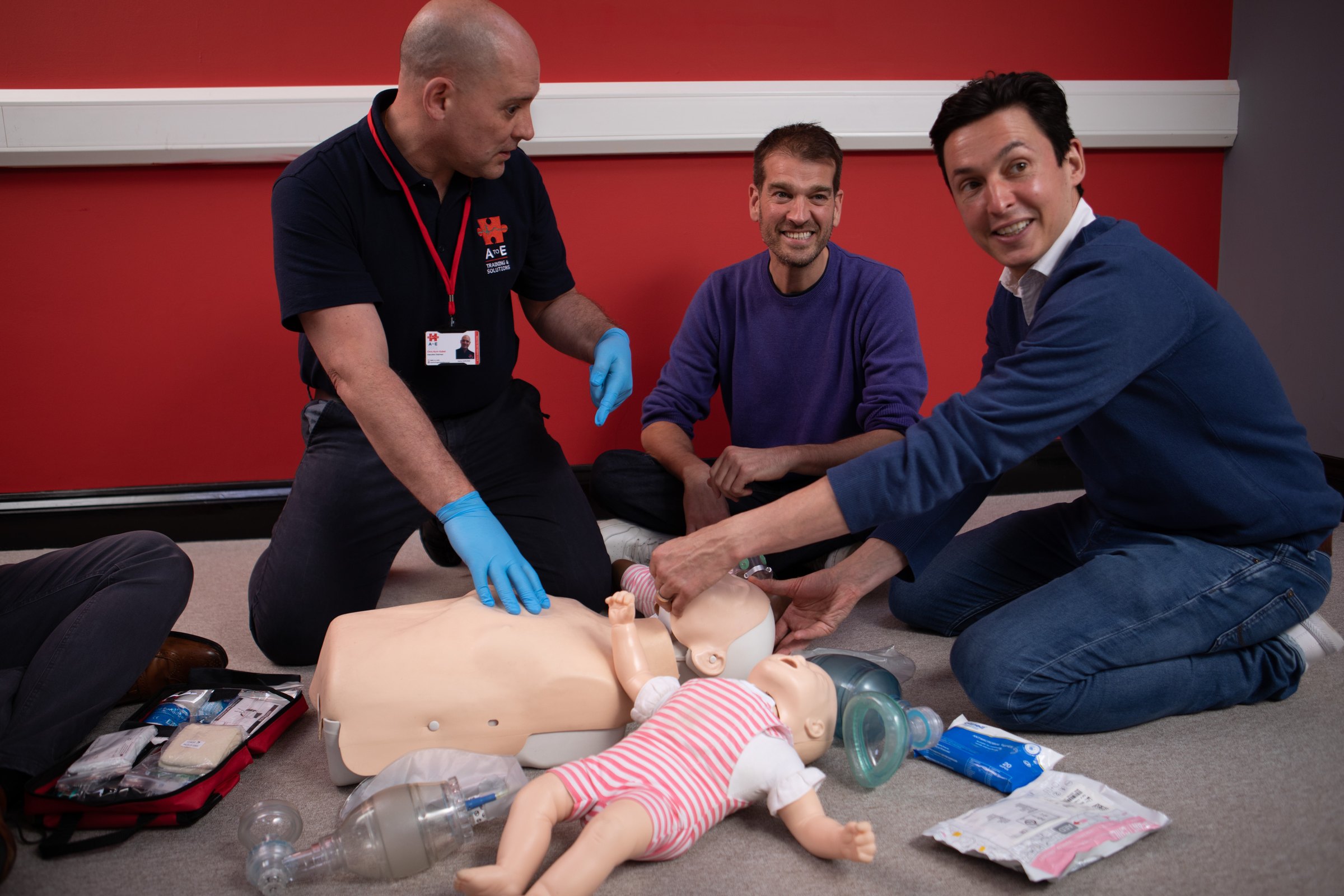
- Be able to administer effective ventilations with BVM or barrier device (if appropriate to role)
- Be familiar with specific paediatric medical emergency algorithms and how they may manifest within the ABCDE assessment
Deteriorating Patient Training
How PRADAR Training Is Delivered
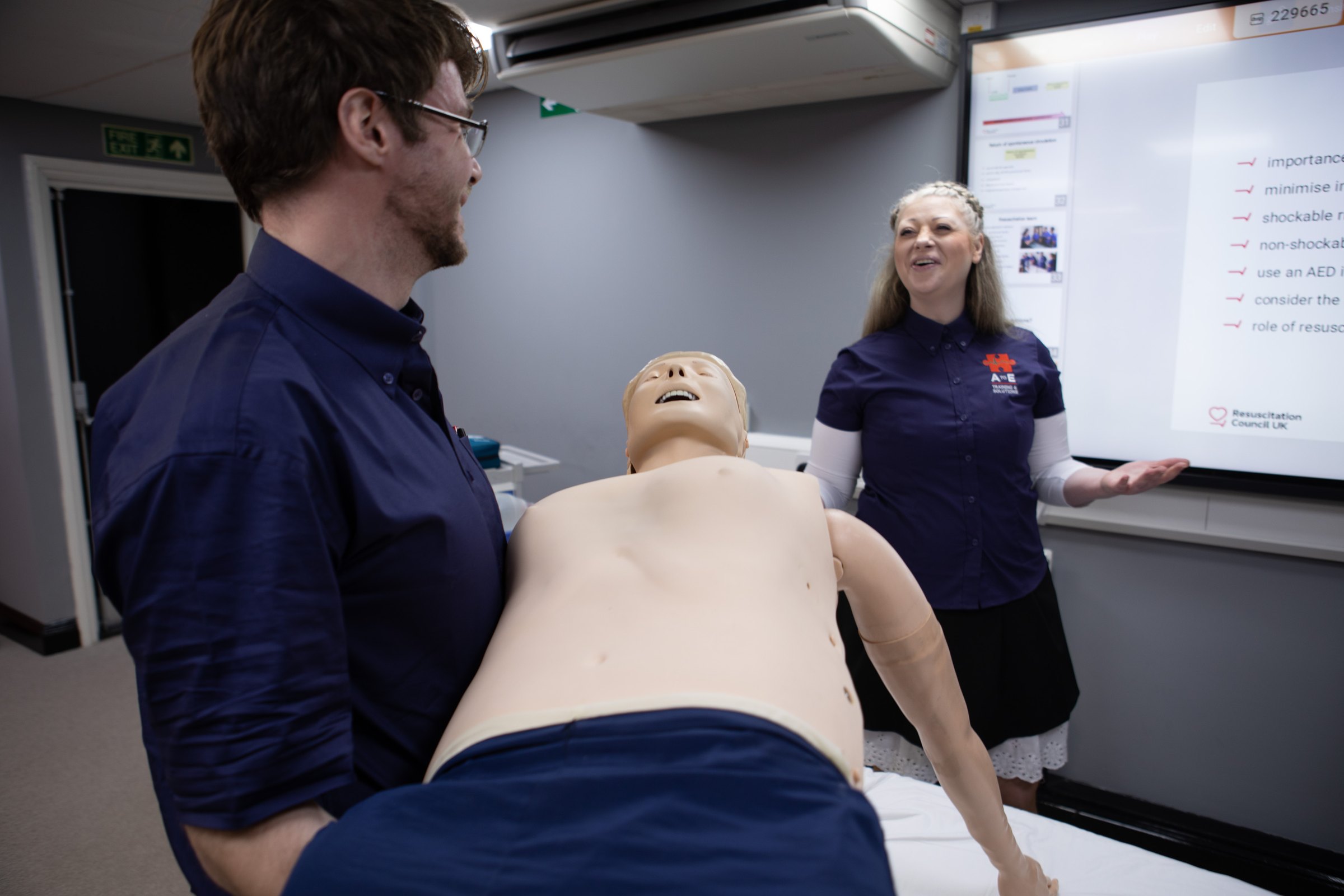
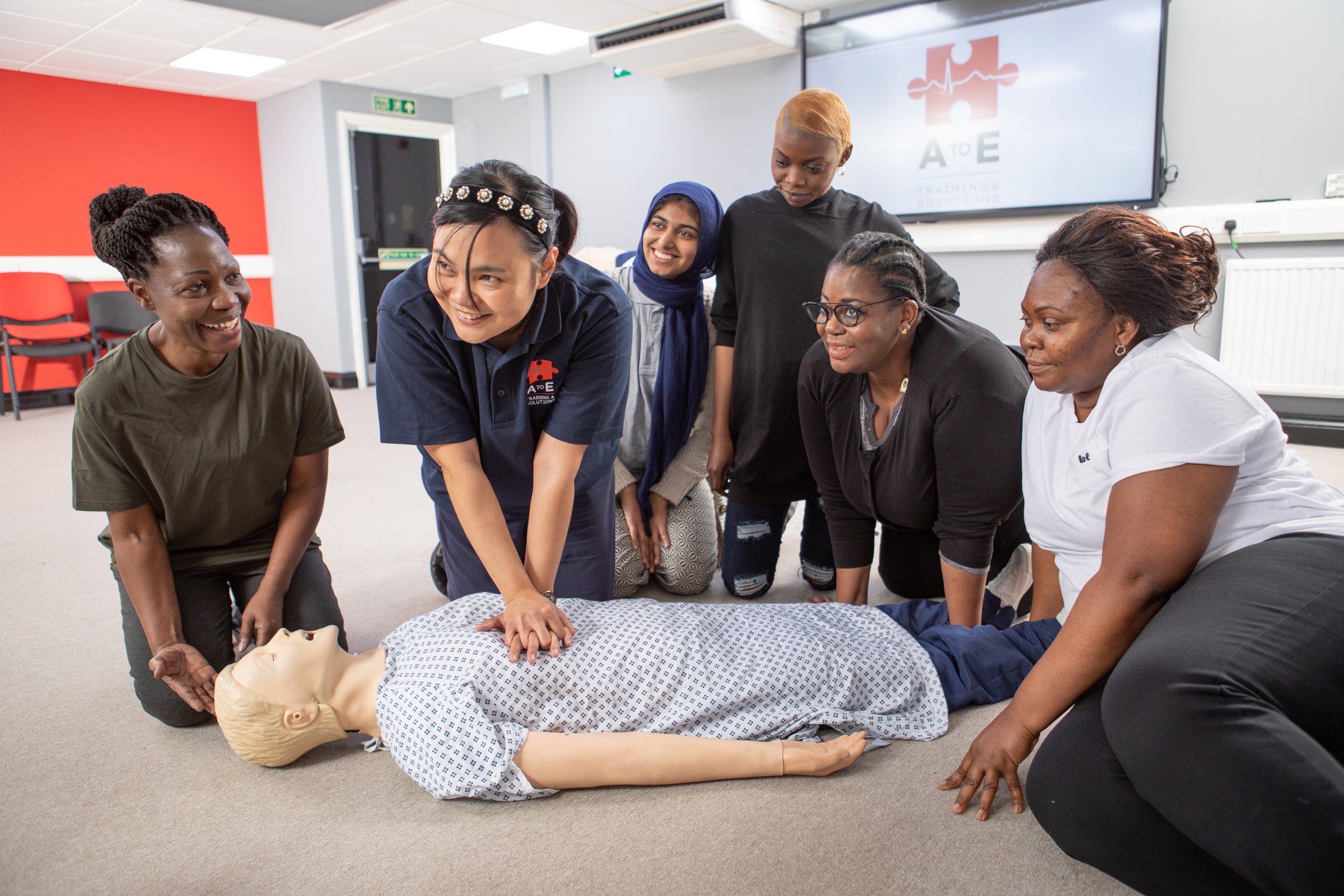
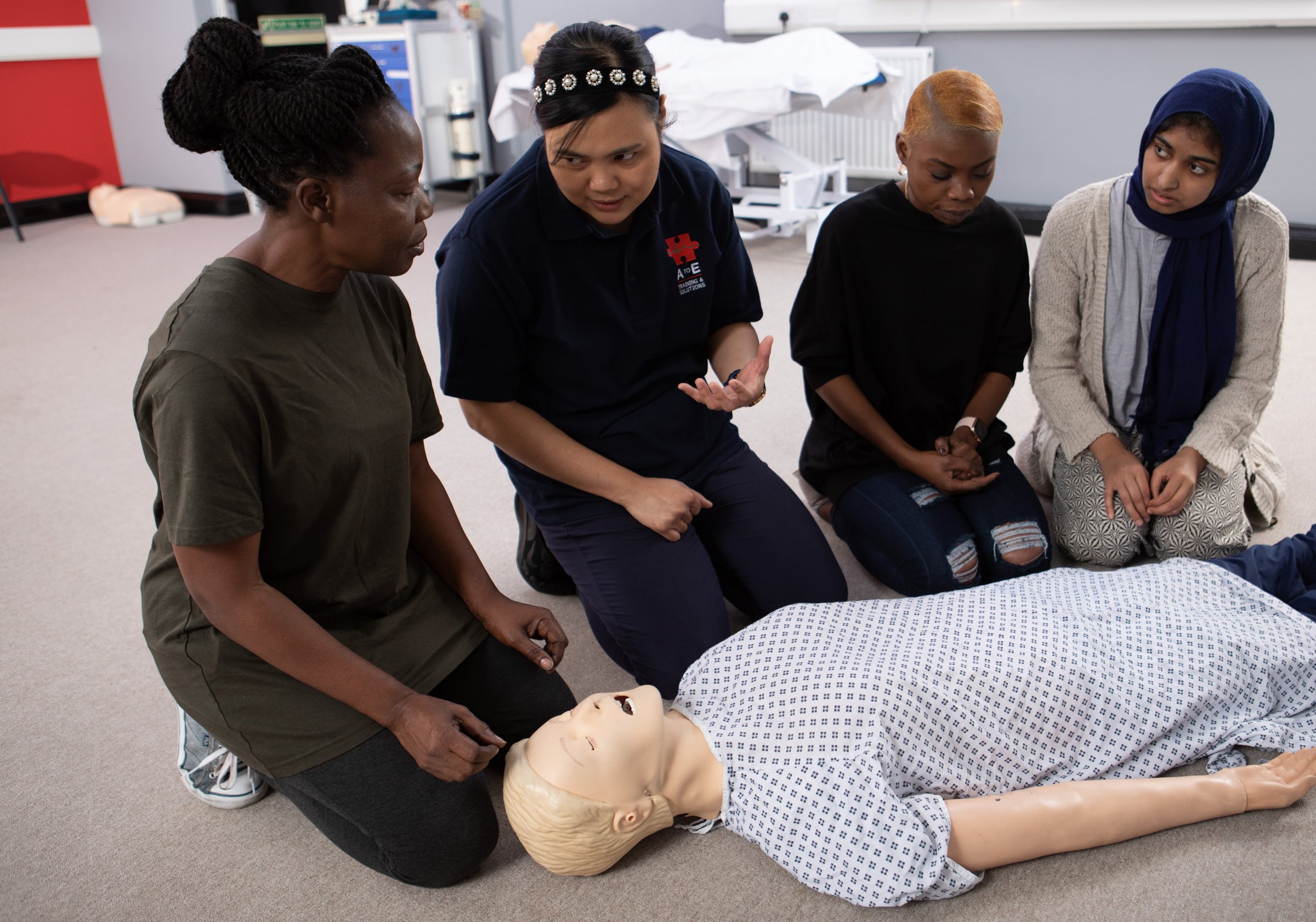
The course lasts up to 1 day and is designed to be interactive from start to finish. Short teaching sessions cover the principles of paediatric assessment and escalation, and practical sessions let you put them into practice on infant and child manikins.
Scenarios bring the learning to life. You will assess a deteriorating infant or child using the ABCDE approach, apply your onsite PEWS scoring system, decide when escalation or transfer to critical care is needed, and share your concerns using SBAR. You will also explore how specific paediatric medical emergencies may show themselves within an ABCDE assessment, helping you connect what you see with what to do next.
Deteriorating Patient Training
Certification and Validity
PRADAR Training is valid for 1 year. We aim to issue all certificates within 5 working days of course completion, and in most cases we are able to issue them within 24 hours.
Deteriorating Patient Training
Related Courses
Teams that care for adults as well as children can pair this course with our RADAR course, which covers adult deterioration and the NEWS II scoring system. For staff who may need to start paediatric resuscitation, our Paediatric Immediate Life Support course is accredited by the Resuscitation Council UK.
Senior clinicians looking for advanced paediatric skills may also be interested in our European Paediatric Advanced Life Support course.
Deteriorating Patient Training
Where We Deliver PRADAR Training
We have a dedicated training facility in Archway, North London. However, the vast majority of the training we deliver is provided at client sites across the UK. Delivering PRADAR Training in your own setting means staff can learn using their own onsite PEWS system and escalation policy. We can deliver at your venue as long as it is suitable for the course, and help you secure a venue if needed.
If you are travelling to our London course centre, there is a Premier Inn only a 5 minute walk away and a number of other hotels nearby. The centre is around 15 minutes from Central London by Underground.
Deteriorating Patient Training
Group Bookings and Individual Places
We offer both group bookings and individual course spaces for courses running at our course centre in London. As a multi-disciplinary course, PRADAR works especially well as a group booking for a whole team, and we would love to talk to you about your requirements.
Frequently Asked Questions About PRADAR Training
What does PRADAR stand for?
How long is the course?
How long is PRADAR Training valid for?
Which early warning score is used?
Will I need to give ventilations?
How is PRADAR different from RADAR?
Can the course be delivered at our site?
Book Your PRADAR Training
When a child starts to deteriorate, a confident, structured response from every member of the team matters. Whether you need one place or want to train your whole department, our PRADAR Training will help staff recognise warning signs sooner and escalate with clarity. Make an enquiry today and we will help you arrange the right session for your setting.
"*" indicates required fields