
Knowledge Hub: Resuscitation Guidelines, News and Answers
Resuscitation guidelines change as the evidence develops, and keeping up with them is part of giving safe, effective care. Our Knowledge Hub brings together clear explanations, answers to common questions and news from A to E, so healthcare teams, employers and learners can find what they need in one place.
Everything here is written from a clinical point of view. A to E was founded in 2006 by a nurse, a paramedic and a doctor, and our network of more than 350 clinical instructors teaches resuscitation every day.
Knowledge Hub
Understanding UK Resuscitation Guidelines
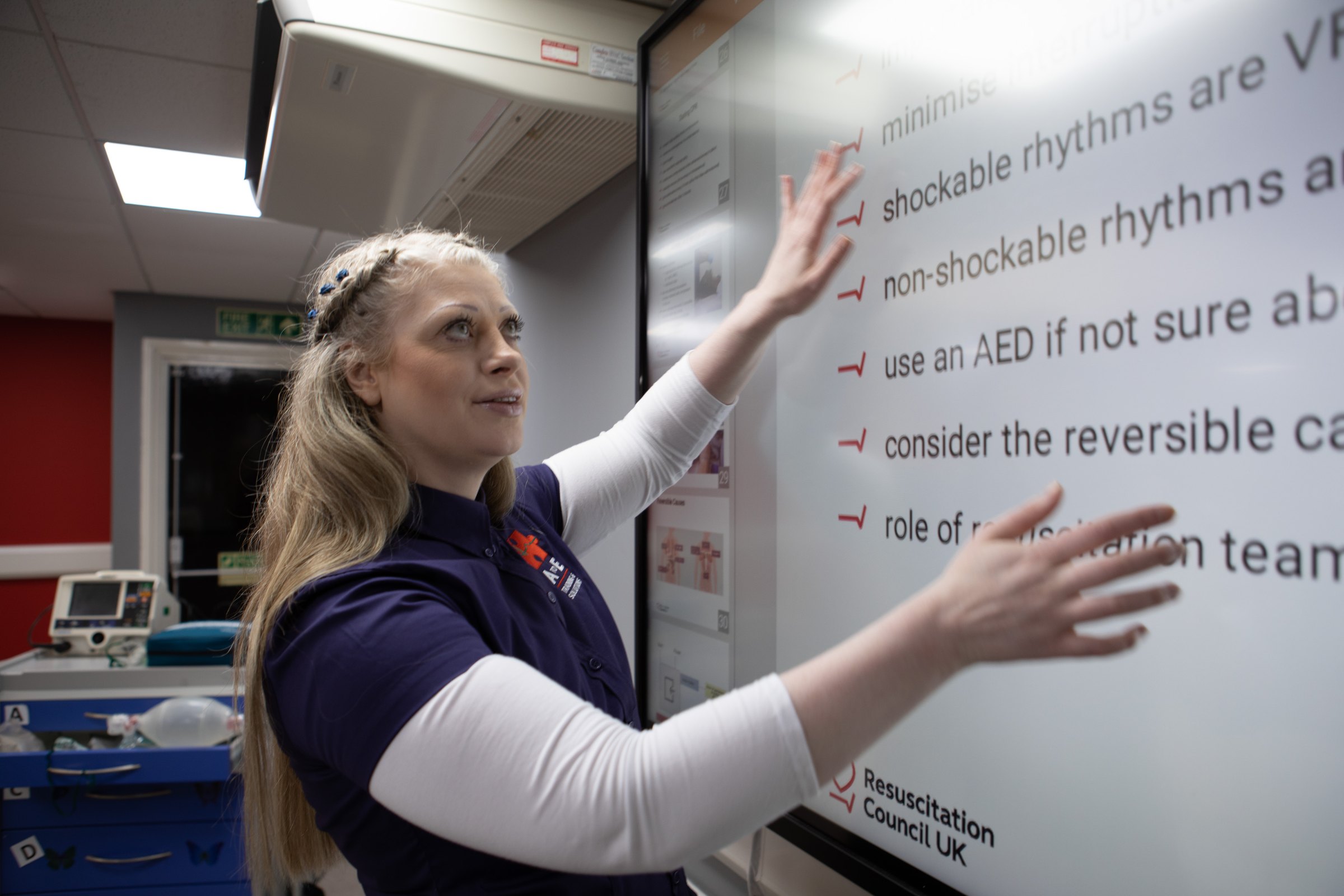
In the UK, resuscitation guidelines for healthcare professionals and the public are published by the Resuscitation Council UK. They cover adult, paediatric and newborn life support, the use of defibrillators and the care of patients before and after cardiac arrest.
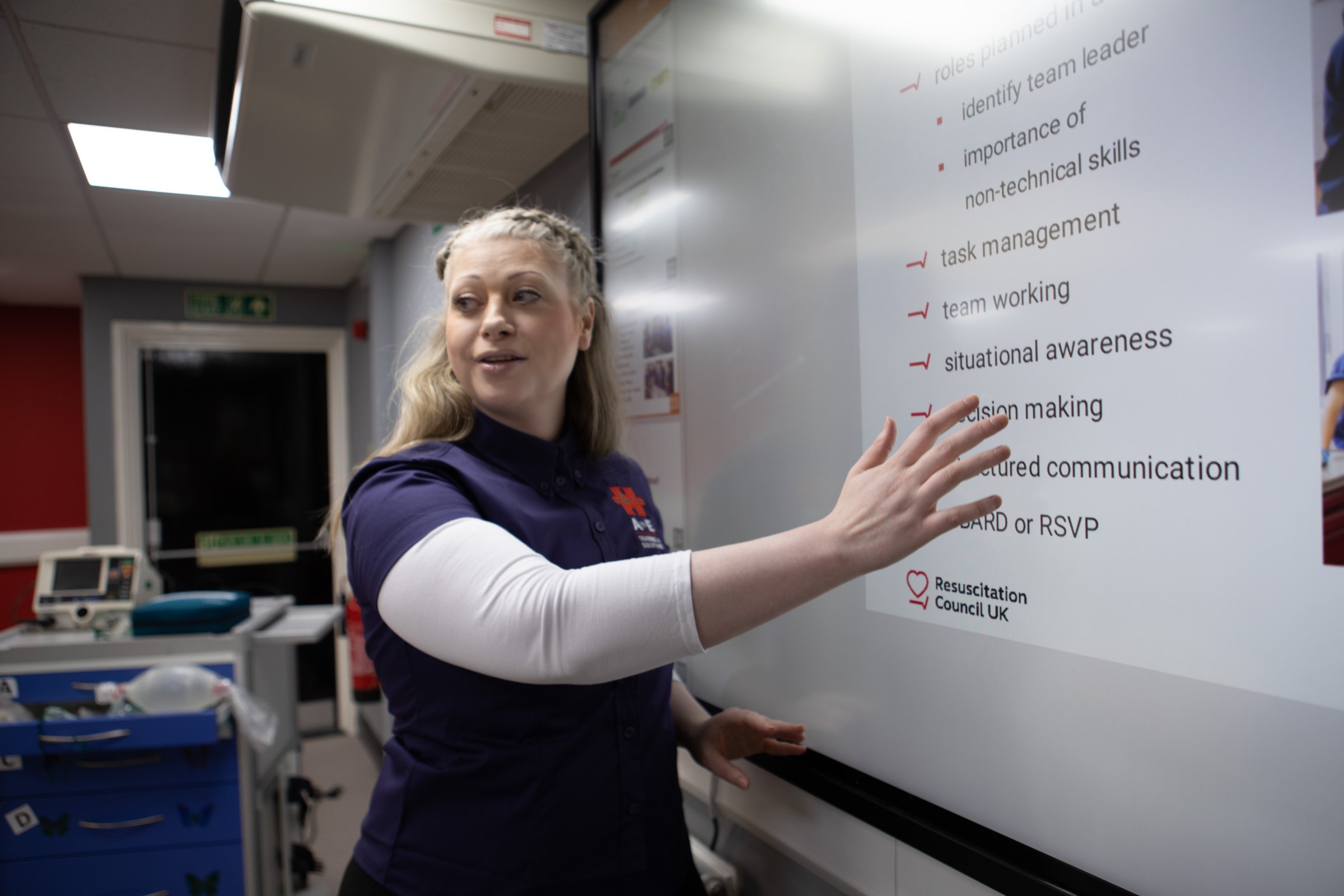
As a Resuscitation Council UK course centre for ILS, PILS, ALS, EPALS and GIC, we teach in line with current guidance. When resuscitation guidelines are updated, our courses and instructors are updated too, so learners are always practising the current approach.
The Chain of Survival
Much of the guidance is built around the Chain of Survival: calling 999 for the emergency services, giving basic life support to keep oxygen flowing to the brain and other vital organs, early defibrillation, and more advanced medical and paramedical care. Each link matters, and our training is designed to strengthen every one of them.
Why Guidelines Matter for Employers
There is no specific legal requirement for employers to provide defibrillators, but many organisations choose to, and staff need to know how to use them. Employers also have duties on first aid provision, explained in the Health and Safety Executive’s first aid guidance. Training that follows current resuscitation guidelines helps your people respond with confidence.
Knowledge Hub
What You Will Find in the Knowledge Hub
News
Our news page shares updates from A to E, including new courses, training centre news and highlights from our work with clients across the UK.
Frequently Asked Questions
Our FAQs answer common questions about cardiac arrest, defibrillators, how often to refresh your training and how our courses work.
Knowledge Hub
Learn the Latest Resuscitation Guidelines With Us
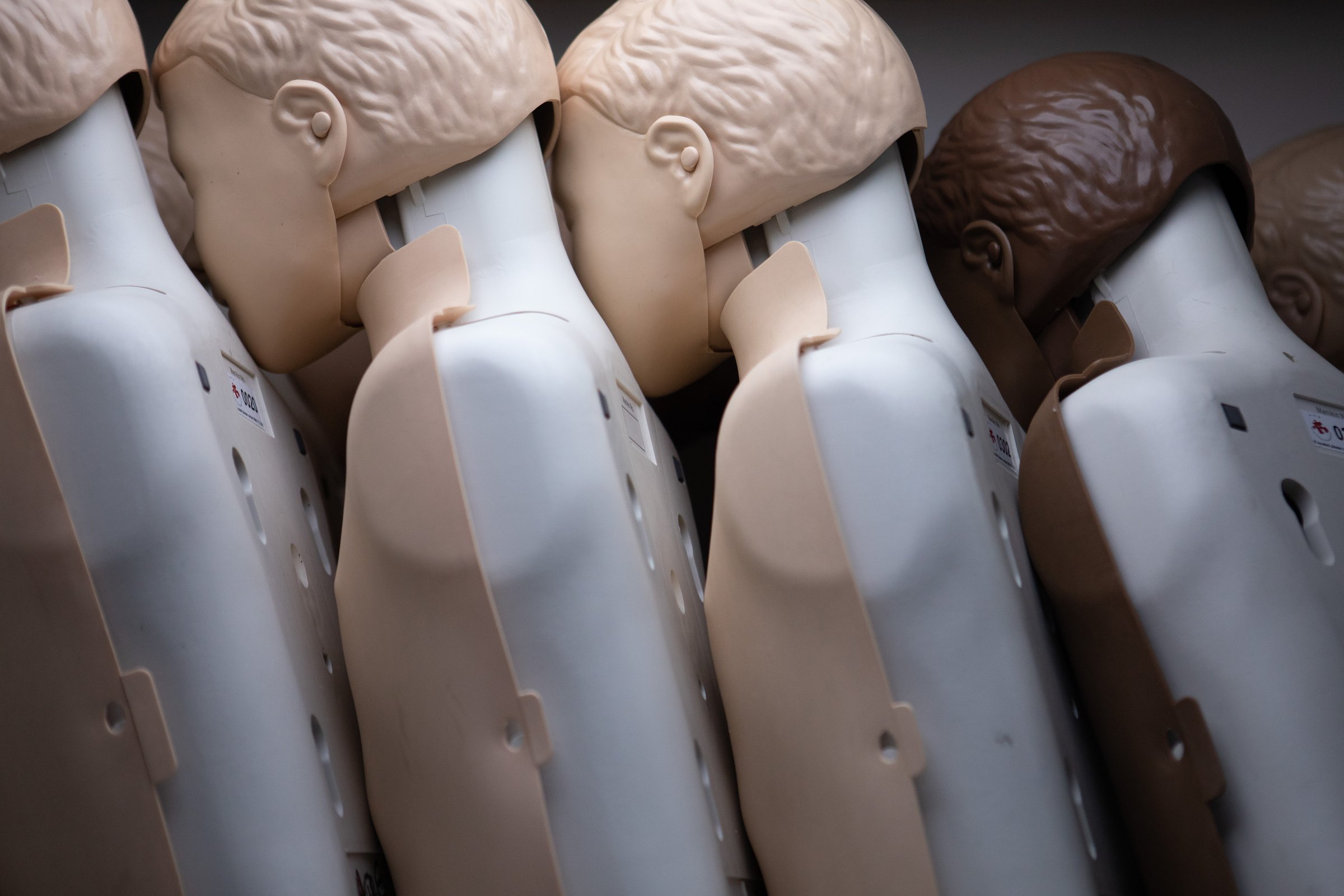
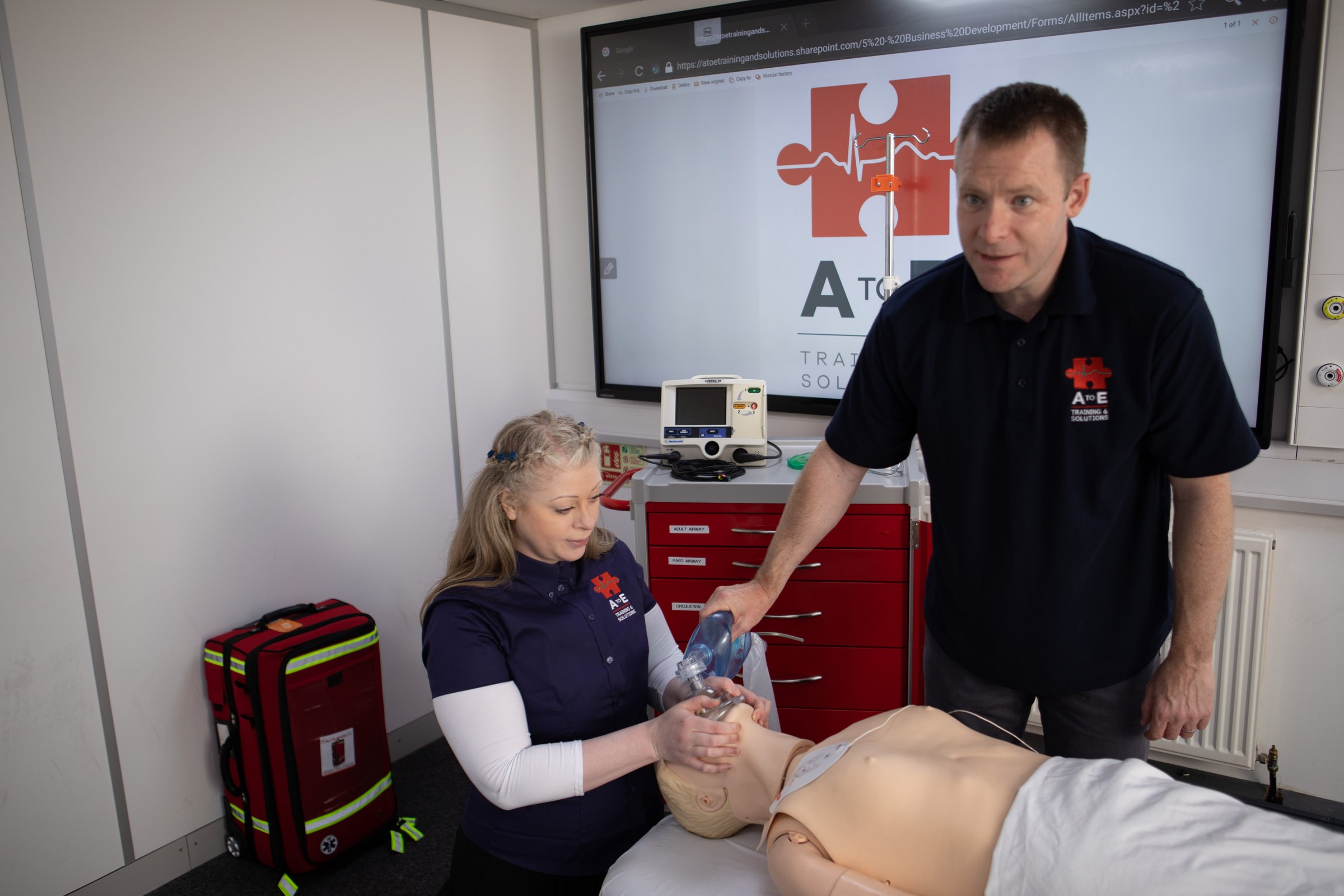
Reading about resuscitation is useful, but practice is what builds confidence. Our courses range from Basic Life Support and first aid to Immediate Life Support and Advanced Life Support, all taught by experienced healthcare professionals.
Most of our training is delivered on site at client premises across the UK, so teams can practise in their own environment with their own equipment. Individuals can also attend open courses at our centres in London, Dudley and Bolton.
Frequently Asked Questions About Resuscitation Guidelines
Who publishes resuscitation guidelines in the UK?
Do your courses follow the latest resuscitation guidelines?
How often should I refresh my resuscitation skills?
Are laypeople allowed to use a defibrillator?
Where can I ask a question that is not covered here?
Contact us
Get in Touch
If you have a question about resuscitation guidelines or would like to book training, call 0800 112 3205, email admin@a-ets.com or contact us.