Deteriorating Patient Training
Overview
RADAR Training (Recognition of Acute Deterioration and Response) is a multi-disciplinary, interactive course that allows staff to understand and develop skills in the recognition of deteriorating adults, and the process by which to escalate for further assistance or transfer.
Spotting the early signs that an adult patient is becoming unwell, and knowing exactly how to respond, is one of the most important skills in any clinical setting. This course gives your team a shared, structured approach to assessment, escalation and communication, so that deterioration is recognised early and acted on quickly.
Deteriorating Patient Training
Why RADAR Training Matters
Patients rarely deteriorate without warning. Changes in breathing, circulation or consciousness often appear before a serious event, and early recognition gives the team time to intervene. When those signs are missed, or when concerns are not escalated clearly, opportunities to prevent harm can be lost.
RADAR Training focuses on closing that gap. It combines a structured ABCDE assessment with a recognised early warning score and clear communication tools, so staff feel confident to identify a problem, act on it and ask for help at the right time.
Deteriorating Patient Training
Why Choose A to E for RADAR Training
A to E Training & Solutions is accredited by the Resuscitation Council UK as a course centre for Immediate Life Support, Paediatric Immediate Life Support, Advanced Life Support, European Paediatric Life Support and Generic Instructor Courses. Courses such as RADAR are internally quality controlled to ensure the highest educational standards, and as an organisation we hold Skills for Health Quality Mark accreditation.
Every member of our team is a qualified clinician and a subject matter expert in their own right. Our instructors have real life clinical experience of the subjects they teach, so the scenarios and discussions reflect what staff actually face on the ward or in the clinic.
Deteriorating Patient Training
Who the Course Is For
This is a multi-disciplinary course, designed for staff from across the clinical team who care for adult patients. It suits registered professionals and support staff alike, because recognising deterioration and escalating concerns is a shared responsibility.
Training the whole multidisciplinary team together is one of the strengths of RADAR Training. When everyone uses the same assessment framework, scoring system and communication tool, handovers and escalations become clearer and more consistent.
Deteriorating Patient Training
What You Will Learn
During the course, you will develop the knowledge and skills required to:
- Recognise and assess a deteriorating patient using an A,B,C,D,E structured approach
- Understand the Multidisciplinary Team approach to Patient Care
- Be able to implement and escalate using the NEWS II scoring system in accordance with local policy
- Understand when transfer to critical care is required
- Understand national goals of reducing the number of preventable deaths
- Manage and maintain a patient’s airway and breathing using a variety of adjuncts
- Practise effective communication within the multidisciplinary team using SBAR
Deteriorating Patient Training
How RADAR Training Is Delivered
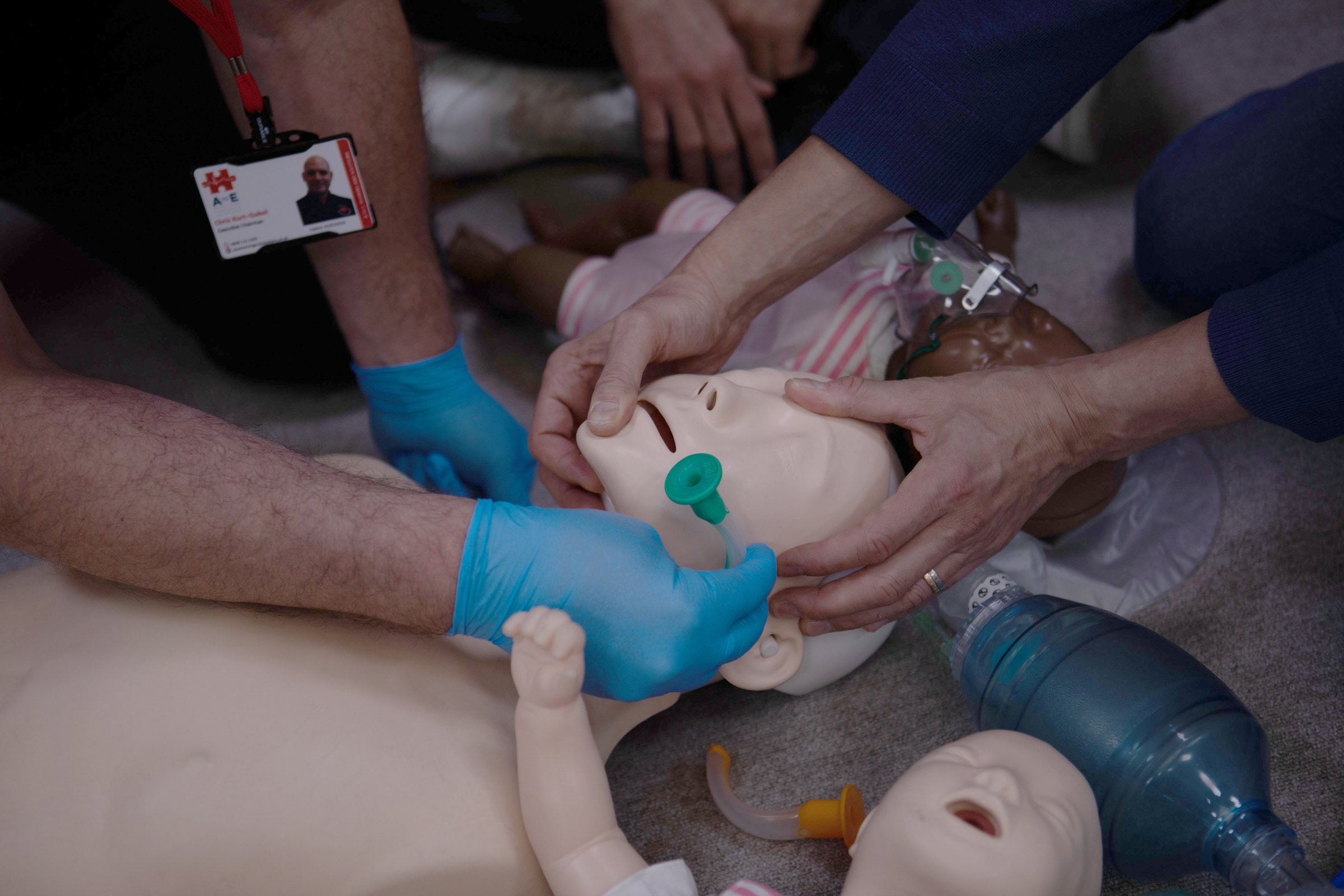
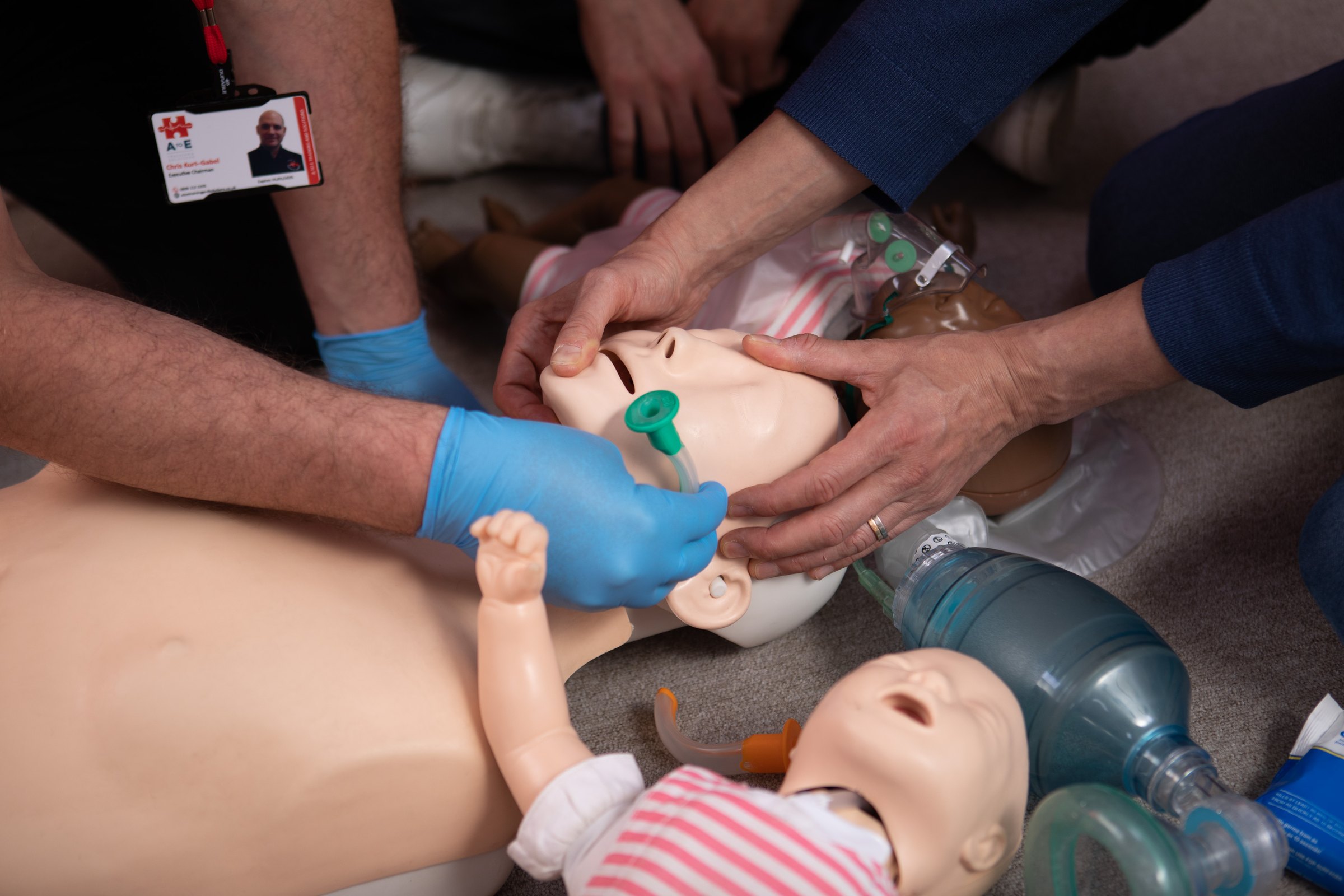
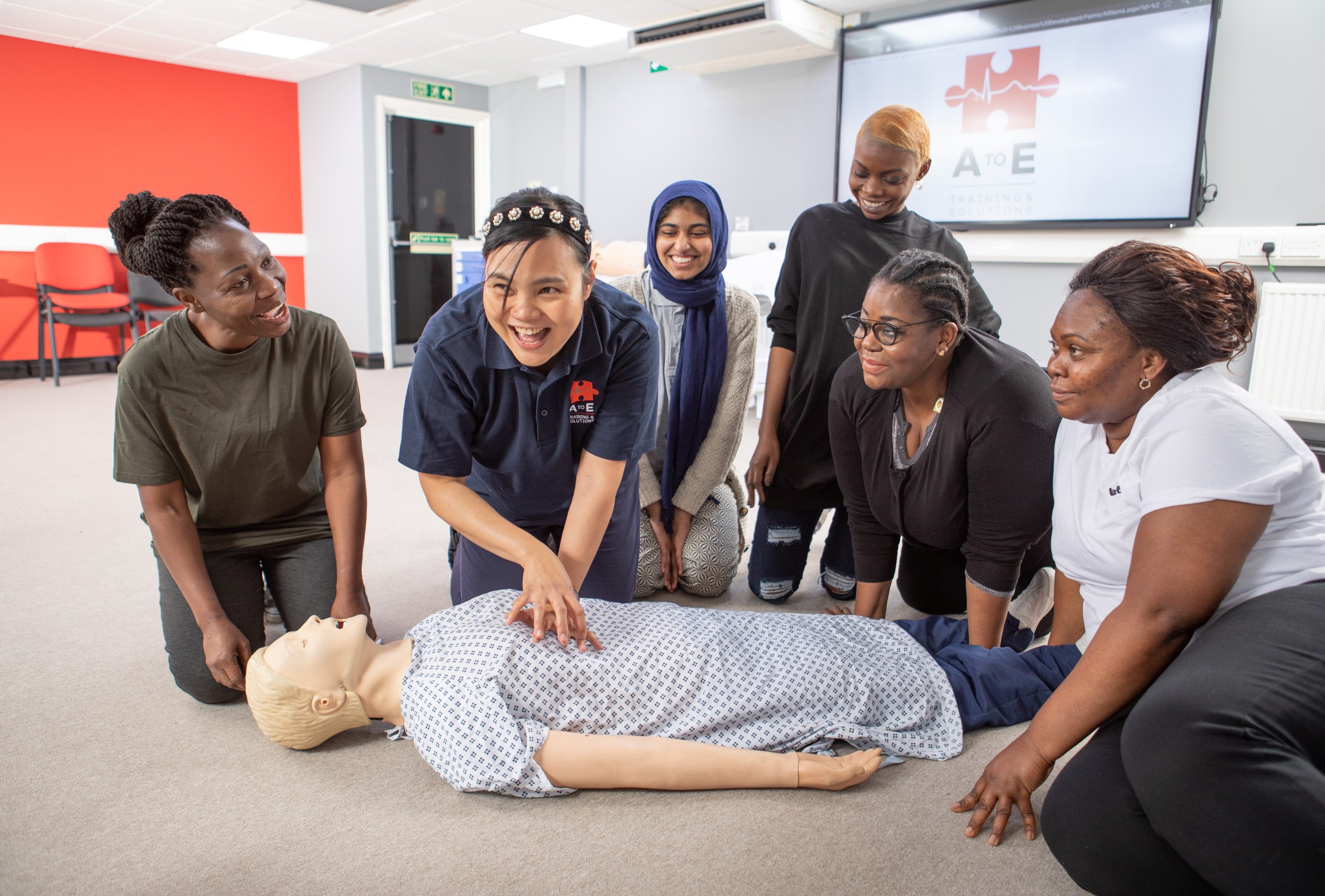
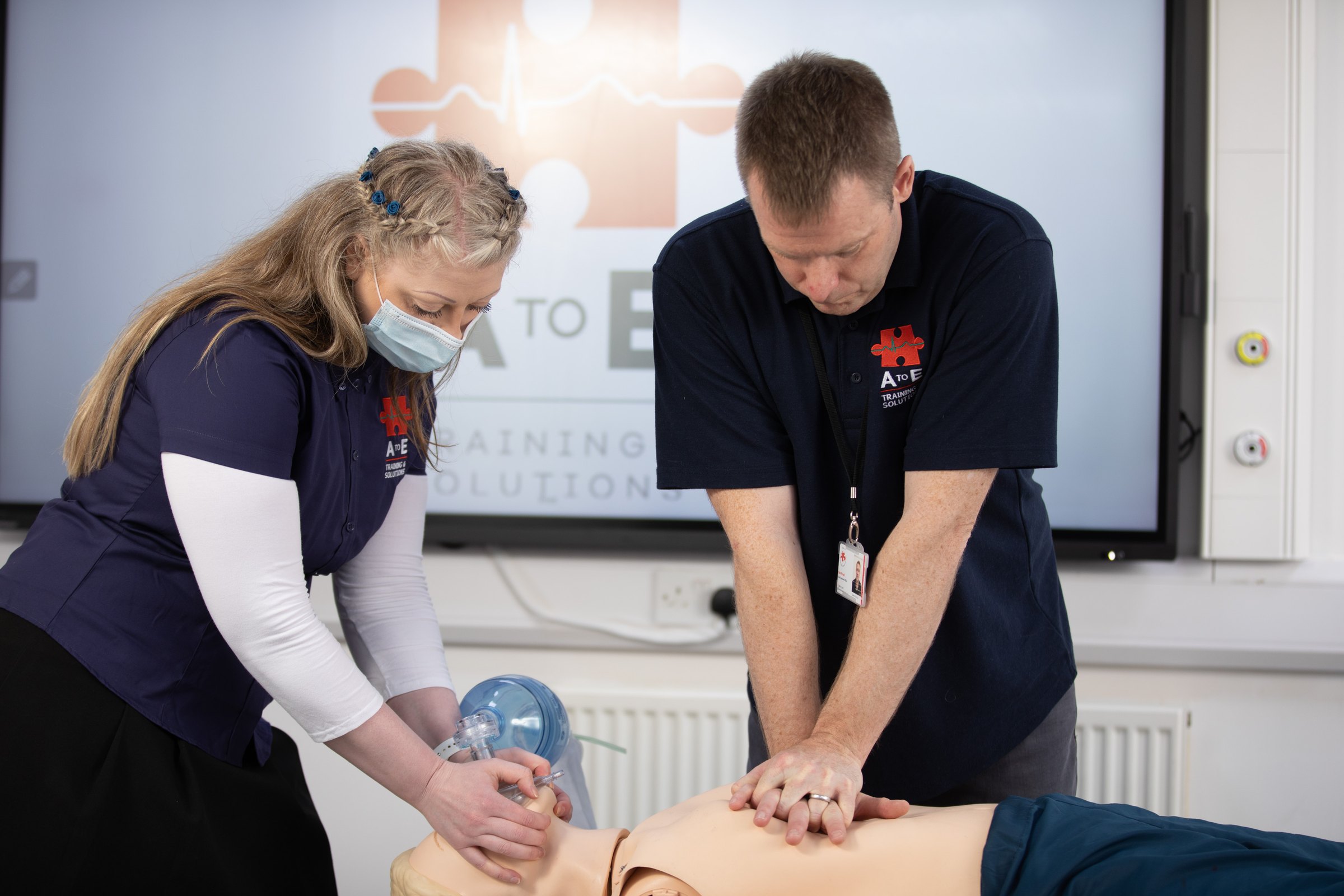
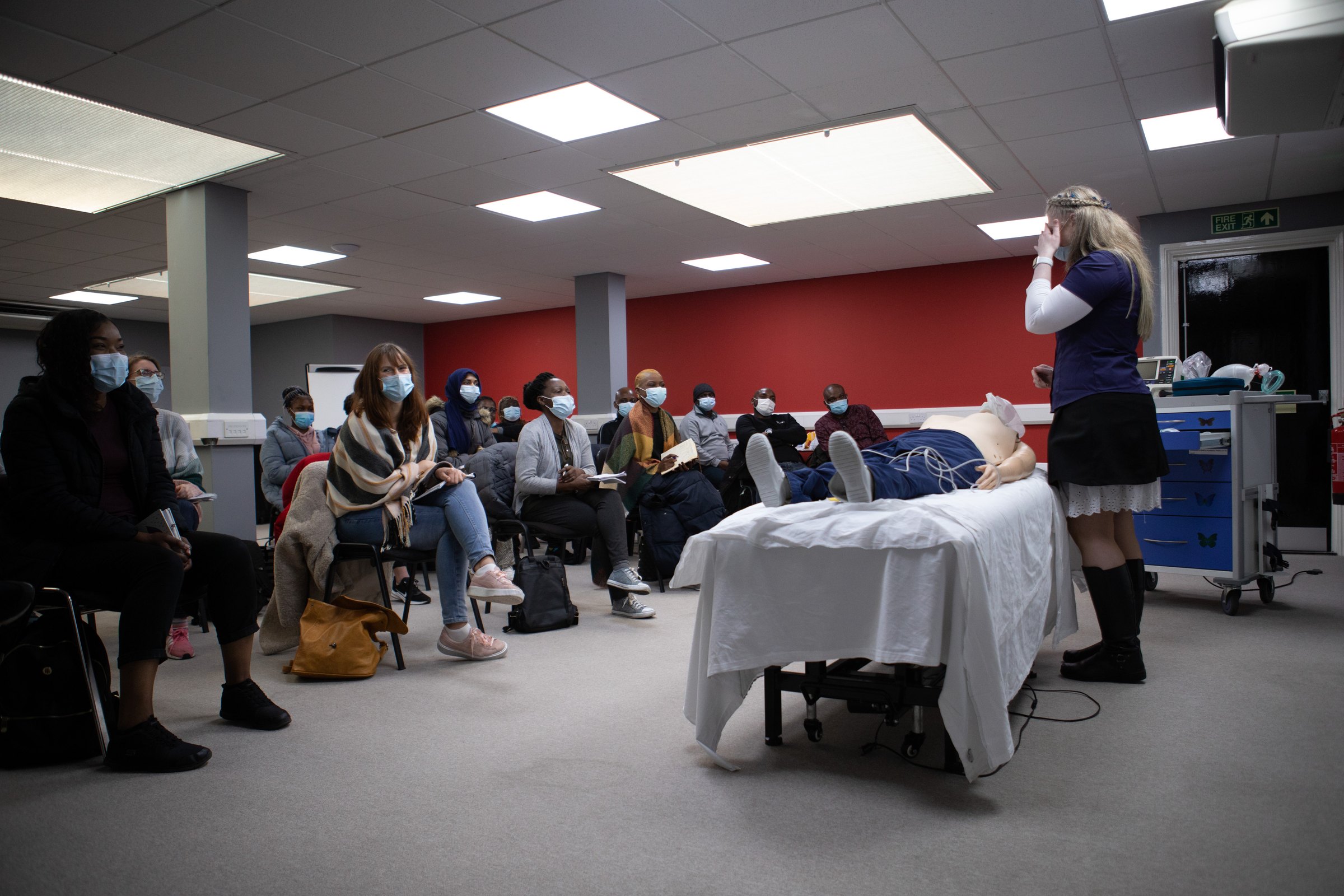
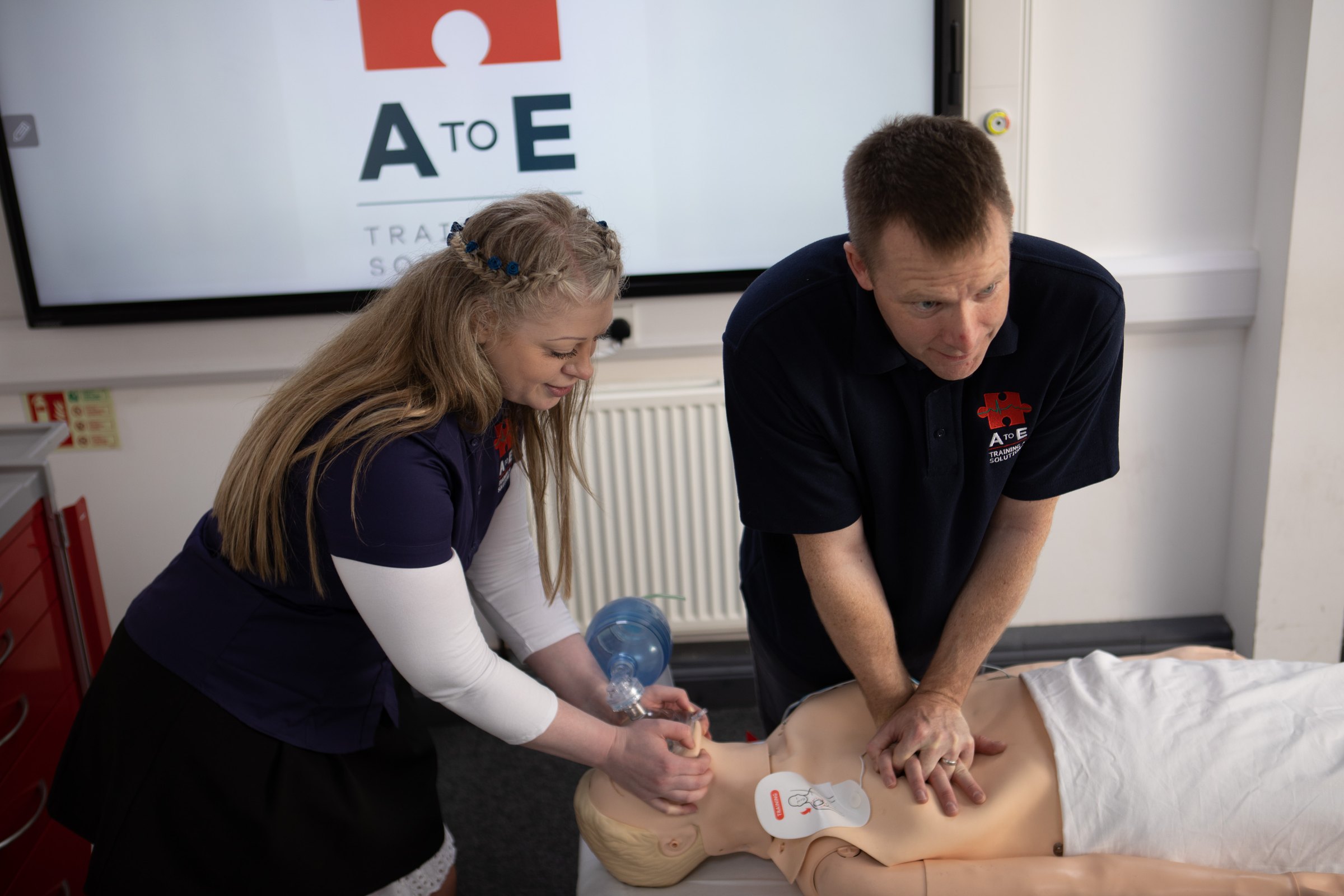
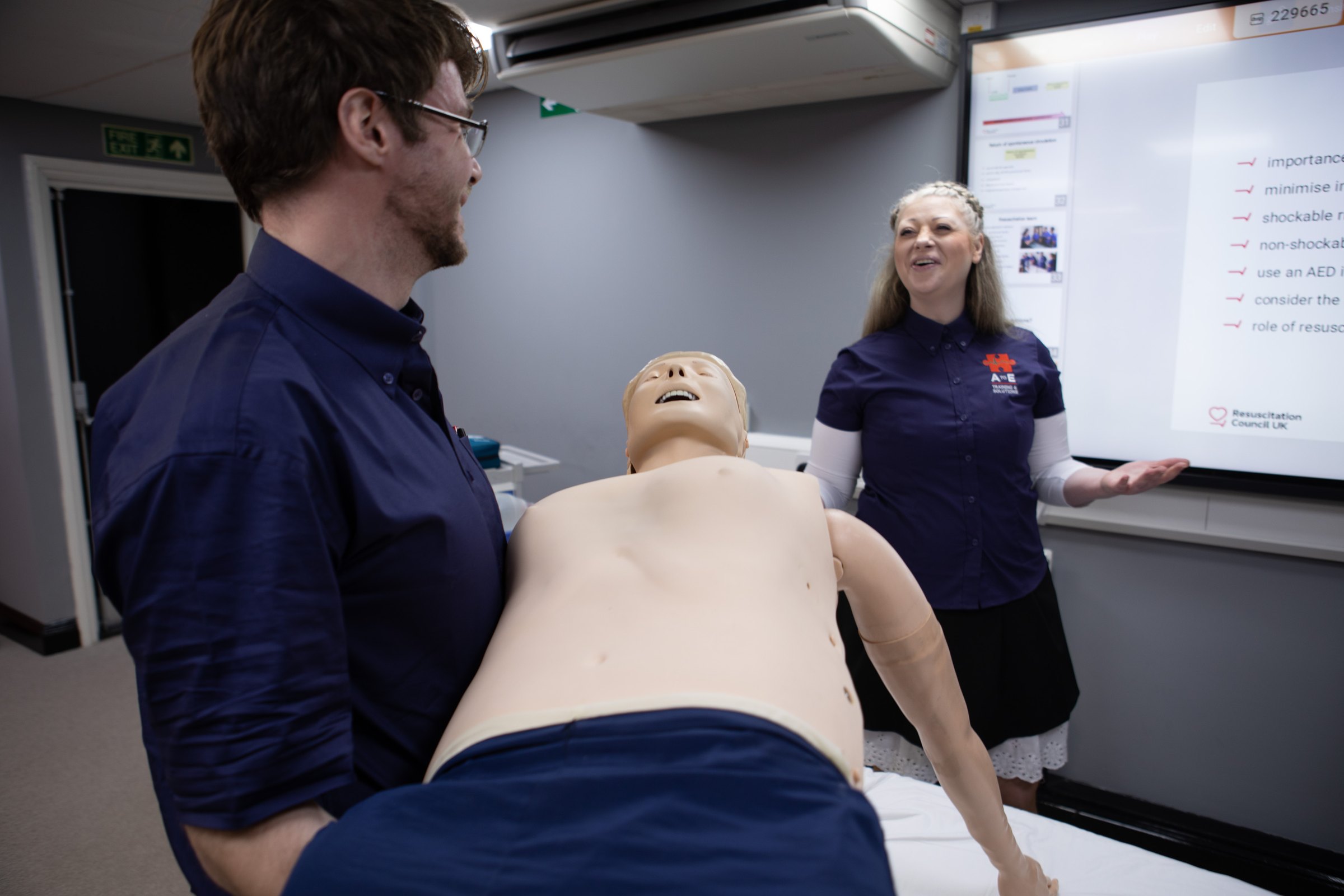
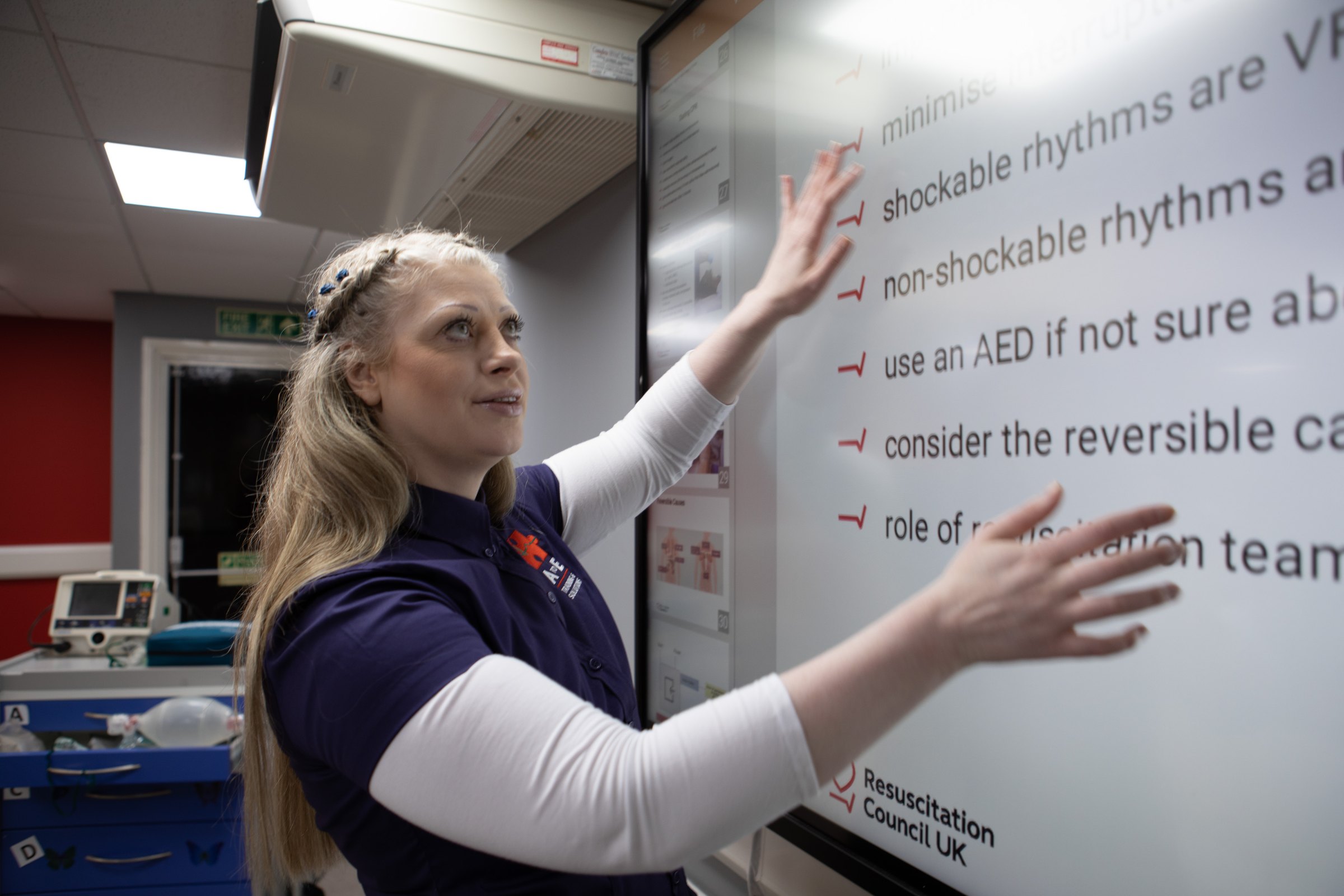
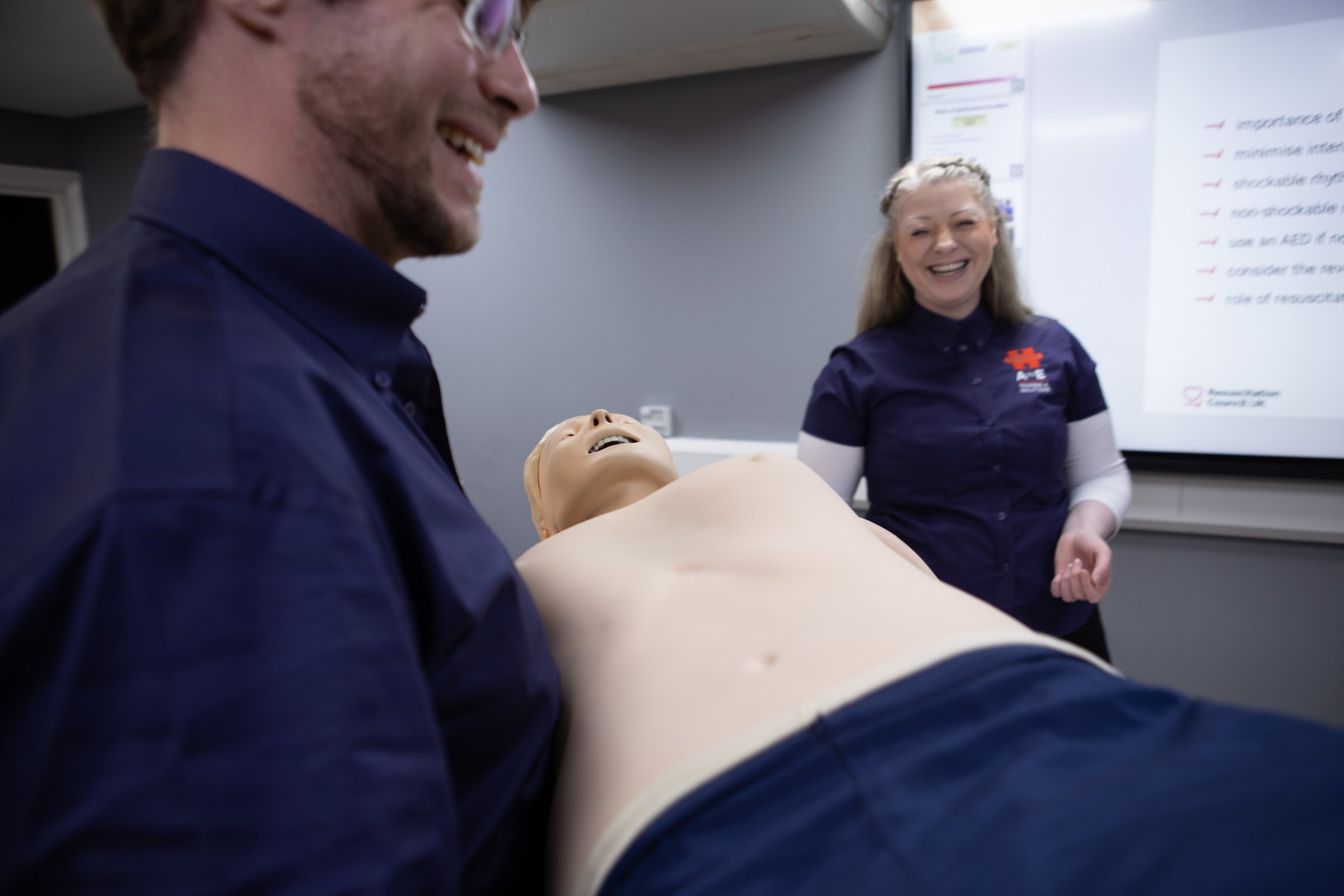
The course runs for up to 1 day and is highly interactive. Short teaching sessions explain the principles, and practical stations give you the chance to apply them, including managing and maintaining a patient’s airway and breathing with a variety of adjuncts.
Scenario based learning brings the content together. Working as part of a team, you will assess a deteriorating adult using the ABCDE approach, calculate and act on a NEWS II score, decide whether escalation or transfer to critical care is needed, and communicate your concerns using SBAR. Throughout, escalation is taught in line with your local policy, so the learning transfers directly to your workplace.
Deteriorating Patient Training
Certification and Validity
RADAR Training is valid for 1 year. We aim to issue all certificates within 5 working days of course completion, and in most cases we are able to issue them within 24 hours.
Deteriorating Patient Training
Related Courses
For staff who care for children and young people, our PRADAR course applies the same principles to deteriorating infants and children, using PEWS. Clinicians who may need to start resuscitation should also consider our Immediate Life Support course, accredited by the Resuscitation Council UK.
To test how your team responds in its own environment, we also offer in-situ clinical resuscitation simulations delivered at your site.
Deteriorating Patient Training
Where We Deliver RADAR Training
We have a dedicated training facility in Archway, North London. However, the vast majority of the training we deliver is provided at client sites across the UK. Running RADAR Training at your own hospital, clinic or care setting means staff can learn alongside the colleagues they work with every day. We can deliver at your venue as long as it is suitable for the course, and help you secure a venue if needed.
If you are travelling to our London course centre, there is a Premier Inn only a 5 minute walk away and a number of other hotels nearby. The centre is around 15 minutes from Central London by Underground.
Deteriorating Patient Training
Group Bookings and Individual Places
We offer both group bookings and individual course spaces for courses running at our course centre in London. Because RADAR is a multi-disciplinary course, group bookings are a popular way to train a whole team at once, and we would love to talk to you about your requirements.
Frequently Asked Questions About RADAR Training
What does RADAR stand for?
How long does the course take?
How long is RADAR Training valid for?
Which early warning score does the course use?
What is SBAR?
Can you deliver the course at our site?
Is there a paediatric version?
Book Your RADAR Training
Early recognition and a clear response can change the course of a patient’s care. Whether you want to train a single member of staff or your whole multidisciplinary team, our RADAR Training will help your people spot deterioration sooner and escalate with confidence. Make an enquiry today and we will help you plan the right session for your service.
"*" indicates required fields