
Resuscitation Training
Level 2 — Basic Life Support
Basic Life Support Training gives people the skills to act in the first minutes of a cardiac arrest, before advanced help arrives. It is the foundation of every resuscitation response, and it is the level of training most healthcare organisations expect all of their staff to hold.
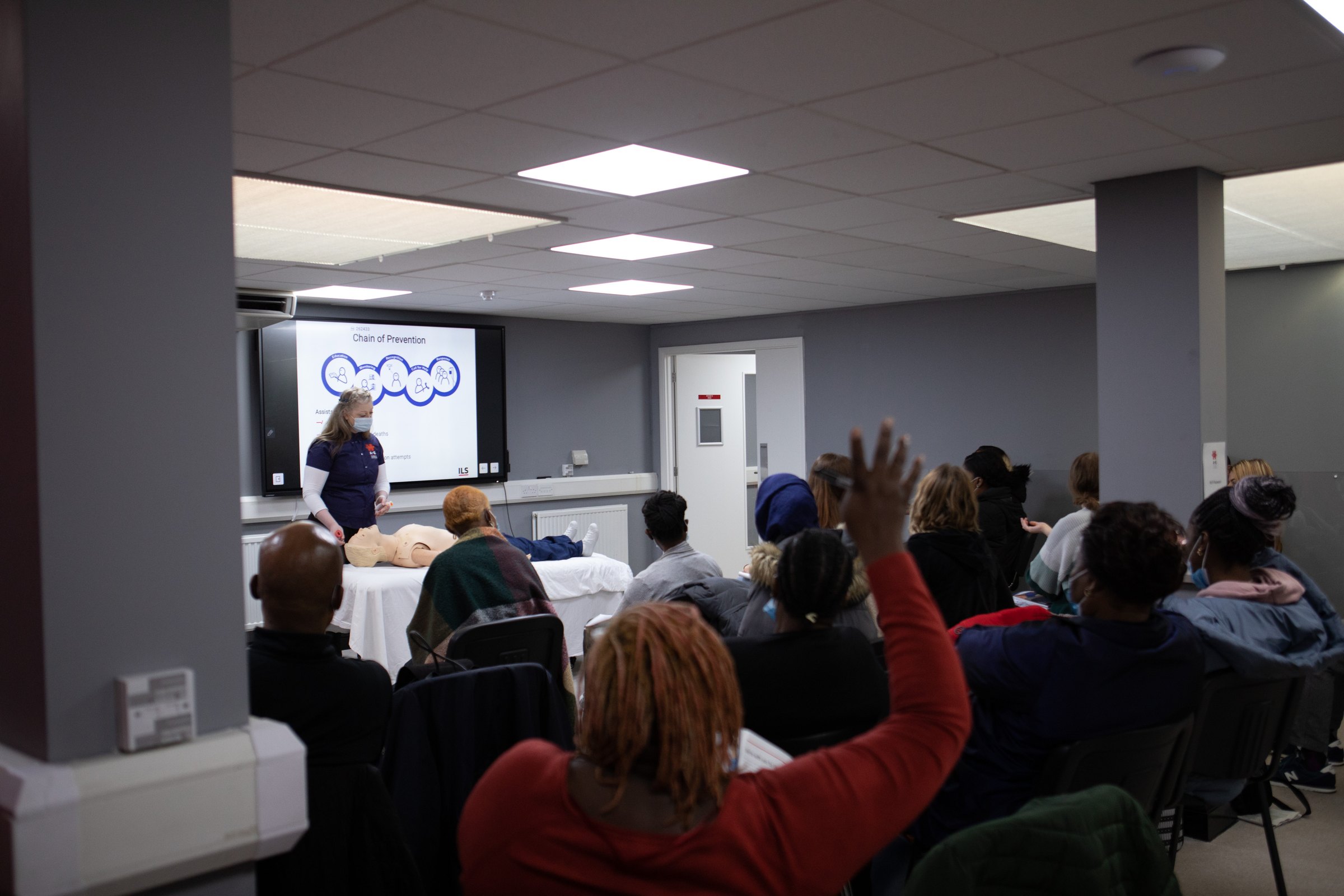
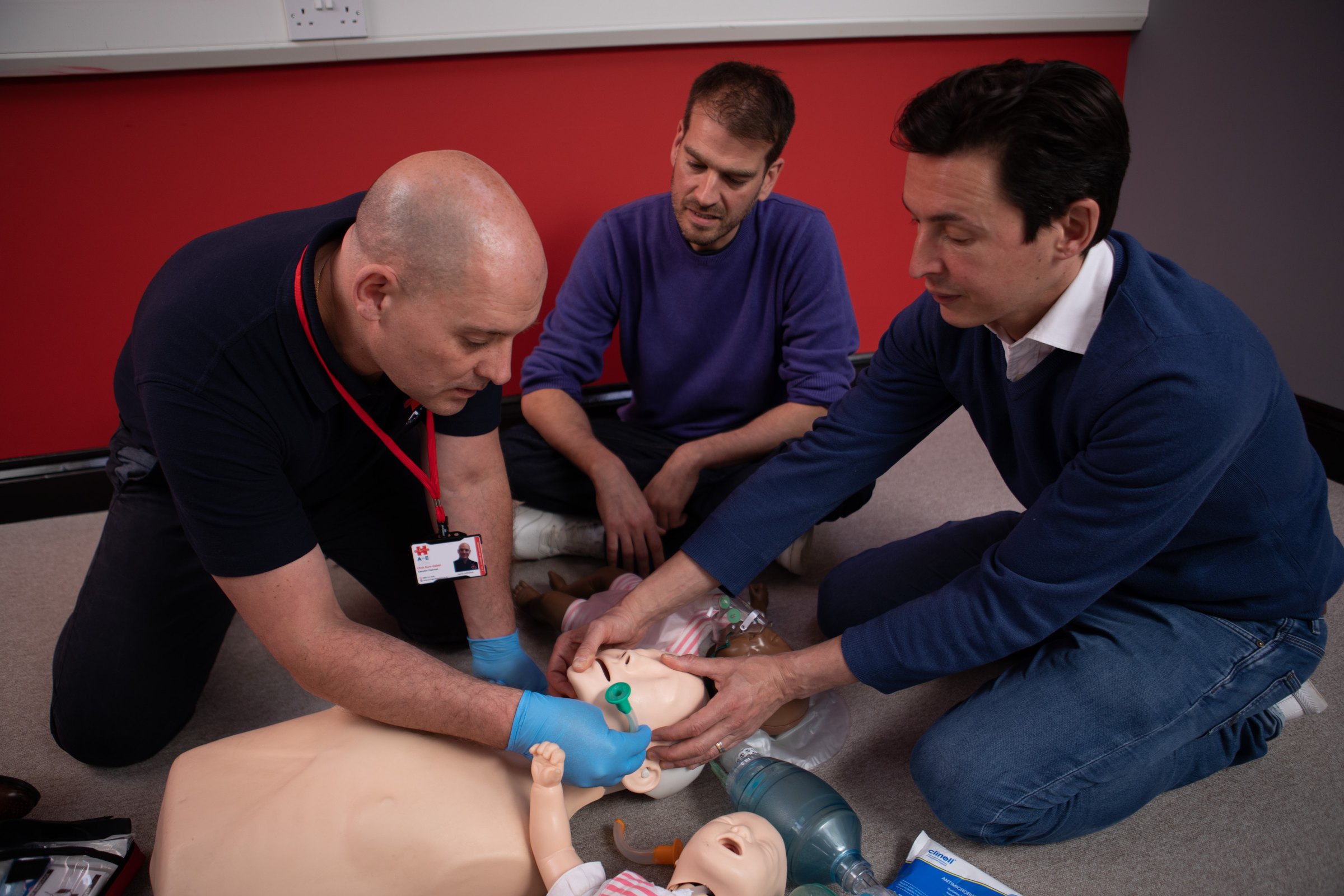
At A to E, Basic Life Support Training is taught by practising clinicians who have managed real emergencies. Delegates learn to recognise cardiac arrest, call for help, deliver effective CPR and use an automated external defibrillator (AED) safely, then practise until they can do it with confidence.
Resuscitation Training
Why Basic Life Support Training Matters
When someone collapses and stops breathing normally, what happens in the first few minutes makes a real difference. Early recognition, an early call for help, prompt CPR and early defibrillation all give the person the best chance.
Those first actions are usually taken by whoever is nearest, and in a healthcare setting that may be a receptionist, a porter or a healthcare assistant as easily as a doctor. Basic Life Support Training makes sure that whoever is first on scene knows what to do.
Resuscitation Training
Our Basic Life Support Training Courses
We offer Basic Life Support Training for adults, children and infants, so you can match each course to the people your staff care for.
Adult Basic Life Support (ABLS)
Adult Basic Life Support covers recognising cardiac arrest in an adult, calling for help, delivering high quality chest compressions and rescue breaths, and using an AED. It suits staff who work mainly with adult patients or members of the public.
Paediatric Basic Life Support (PBLS)
Paediatric Basic Life Support focuses on infants and children, whose needs in an emergency are different from adults. It suits staff in paediatric, maternity, education and family settings. We also offer an online paediatric basic life support course covering the theory, mapped to levels 1 and 2 of the Core Skills Training Framework, with a face to face competence assessment recommended afterwards.
Combined Adult and Paediatric Basic Life Support (CAPBLS)
Combined Adult and Paediatric Basic Life Support brings both into one session, which suits staff who may need to respond to patients of any age, such as those in primary care, emergency settings or community services.
Level 2 — Basic Life Support courses
Resuscitation Training
What Basic Life Support Training Covers
Content is tailored to adult, paediatric or combined courses, and is taught in line with current Resuscitation Council UK guidelines. Core areas include:
- Ensuring the safety of the rescuer and the casualty
- Recognising cardiac arrest and calling for help
- Delivering effective chest compressions and rescue breaths
- Safe use of an automated external defibrillator
- Working with colleagues until more advanced help arrives
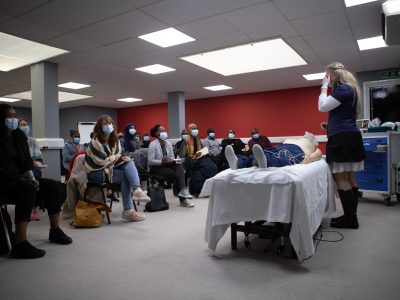
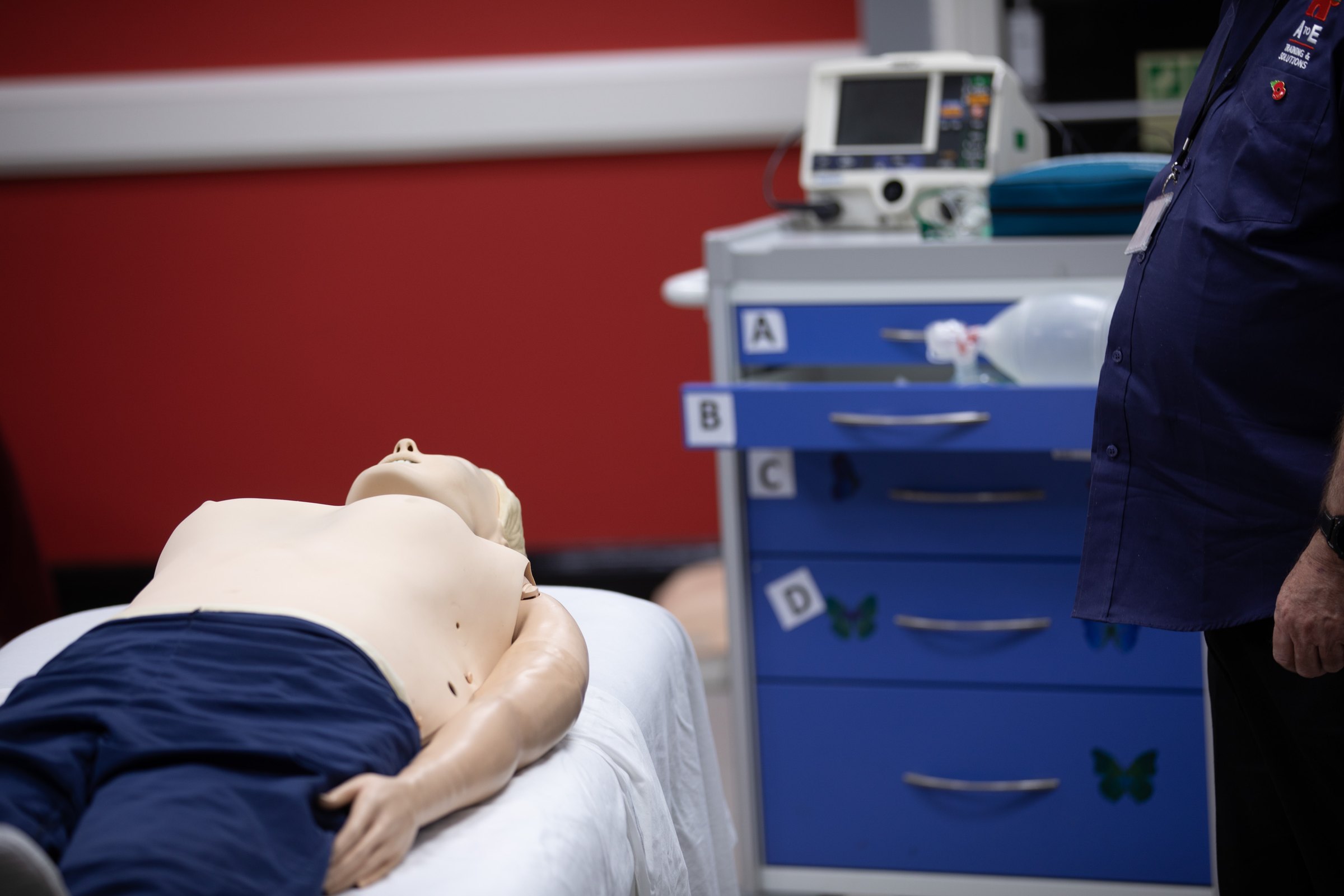
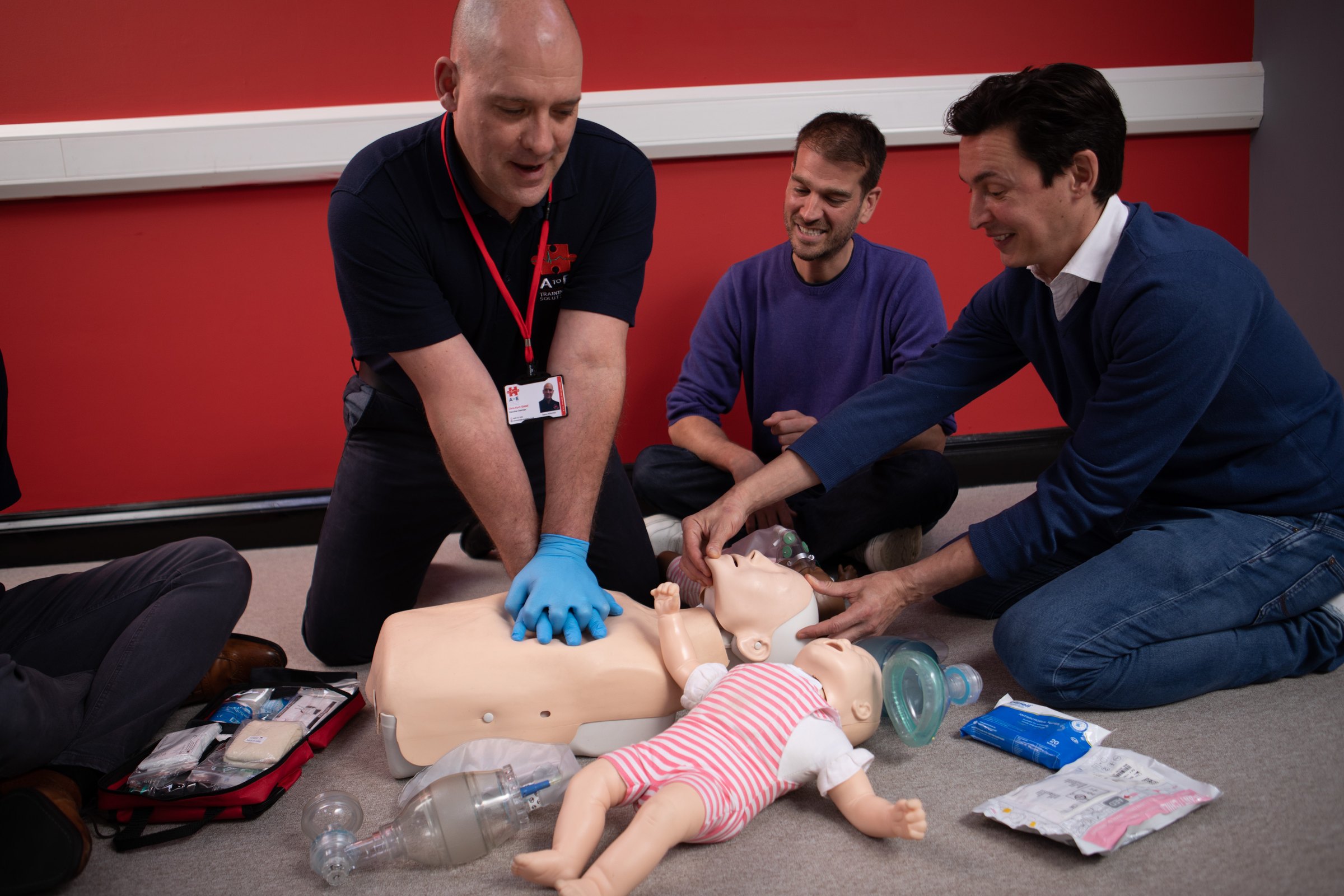
Every course is hands on. Delegates spend most of their time practising on manikins, with feedback from instructors who correct technique and build confidence.
Resuscitation Training
Why Choose A to E for Basic Life Support Training
A to E was founded in 2006 by a nurse, a paramedic and a doctor, and resuscitation education has been at the centre of our work ever since. We are an accredited Resuscitation Council UK course centre for ILS, PILS, ALS, EPALS and the Generic Instructor Course, and we hold the Skills for Health Quality Mark.
Our Basic Life Support Training courses are internally quality controlled to keep standards consistent. Our instructors are qualified clinicians and subject matter experts, and every one of them holds or is working towards an instructorship recognised by the Resuscitation Council UK.
With more than 350 clinical instructors delivering over 5,000 courses a year, we can train a small team or a whole workforce, at the pace your organisation needs.
Resuscitation Training
Basic Life Support Training at Your Site or Ours
Most of our Basic Life Support Training is delivered on site at clients’ premises across the UK. Staff learn in their own environment, often with the equipment they would use in a real emergency, and you avoid the cost of sending people off site.
Individuals and smaller groups can also train at our centres in London (Archway), the Midlands (Dudley) and the North West (Bolton).
Resuscitation Training
Building In House Basic Life Support Trainers
If you want your own staff to deliver Basic Life Support Training, our BLS Train the Trainer course prepares candidates to teach and assess BLS, PBLS and CBLS within their organisation.
Resuscitation Training
The Next Step After Basic Life Support
Staff who may be first on scene when a patient deteriorates usually need more than basic life support. Our intermediate life support courses, such as the Resuscitation Council UK Immediate Life Support course, build on BLS with structured assessment of the deteriorating patient and safe defibrillation.
Frequently Asked Questions About Basic Life Support Training
Who needs Basic Life Support Training?
What is the difference between ABLS, PBLS and CAPBLS?
Do I need any prior experience?
Can you deliver Basic Life Support Training at our workplace?
Is there an online option?
Book Basic Life Support Training
Give every member of your team the confidence to act in an emergency. Call us on 0800 112 3205 or contact us to arrange Basic Life Support Training for your organisation or to book a place.
"*" indicates required fields