
Resuscitation Training
Overview
Evidence based guidelines underpin our Advanced Life Support Course, a programme which covers the essential skills in resuscitation, including delivery of adult CPR, recognition and management of the deteriorating patient and working in a team during emergency situations.
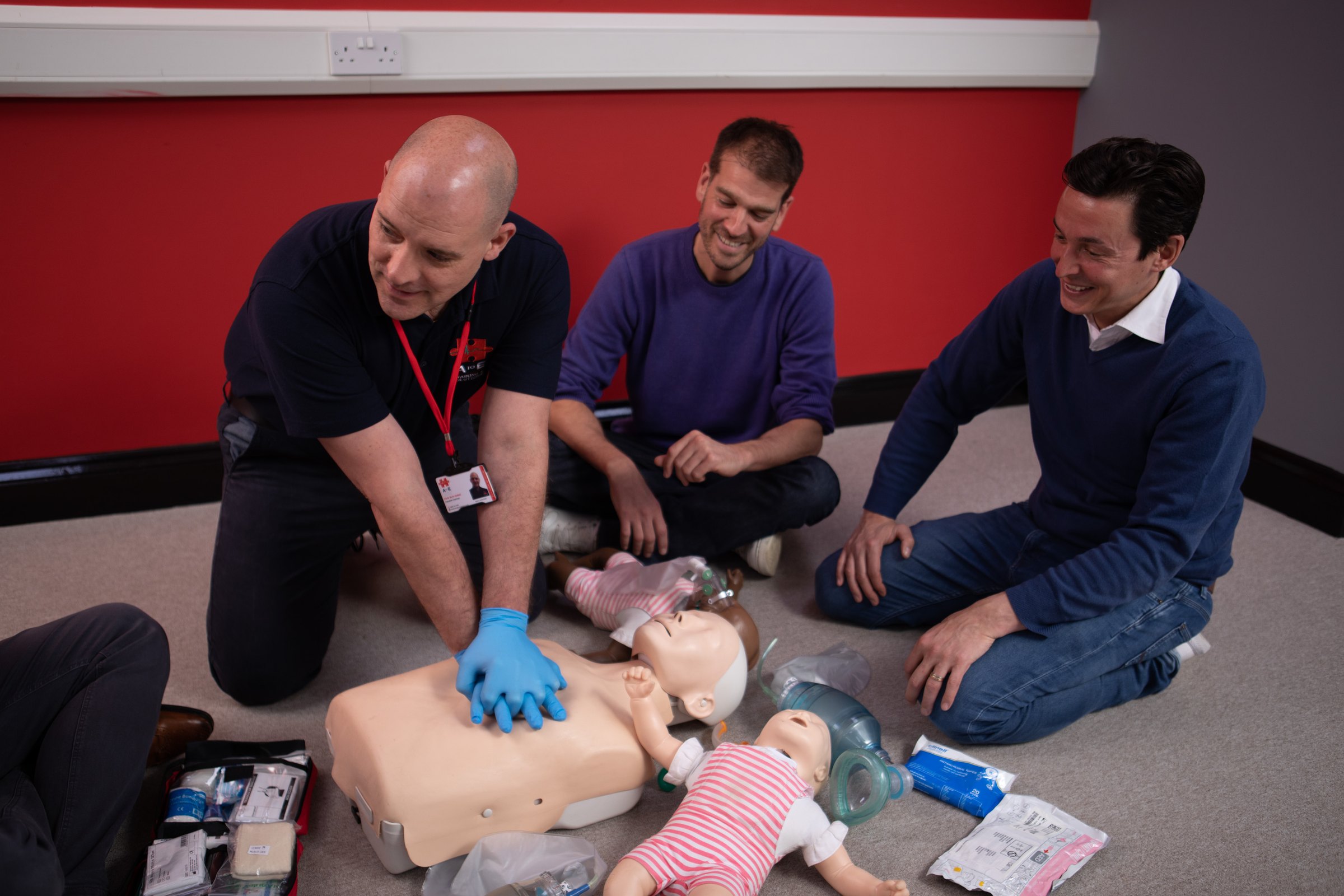
Participants will benefit from lectures, interactive workshops, skill stations and cardiac arrest simulations. Over 2 days you will build the knowledge, practical ability and leadership skills needed to manage a cardiac arrest with a multidisciplinary team.
Resuscitation Training
Why Choose an Advanced Life Support Course with A to E
A to E Training & Solutions is accredited by the Resuscitation Council UK as a course centre for Advanced Life Support, as well as for Immediate Life Support, Paediatric Immediate Life Support, European Paediatric Life Support and Generic Instructor Courses. The organisation also holds Skills for Health Quality Mark accreditation.
This qualification is recognised by the European Resuscitation Council and the Australian Resuscitation Council, giving you the freedom to use your lifesaving skills in other countries.
Our instructors are qualified clinicians and subject matter experts who have real life clinical experience of resuscitation. We run a robust professional development programme, and every member of the team holds, or is working towards, an instructorship recognised by the Resuscitation Council UK. When you attend an Advanced Life Support Course with us, you learn from people who apply these skills in practice.

Resuscitation Training
Who Should Attend the Advanced Life Support Course
ALS is aimed at healthcare professionals who are expected to take an active role in managing a cardiac arrest, and who may be asked to lead a resuscitation team. It builds on basic and immediate life support, adding rhythm recognition, manual defibrillation and structured team leadership.
Teams from hospitals, healthcare providers and other clinical settings use the Advanced Life Support Course to make sure their senior staff are prepared for the most serious emergencies. If you work in an acute area where patients can deteriorate quickly, this is the level of training your role is likely to need.
Resuscitation Training
What You Will Learn on the Advanced Life Support Course
The course content includes:
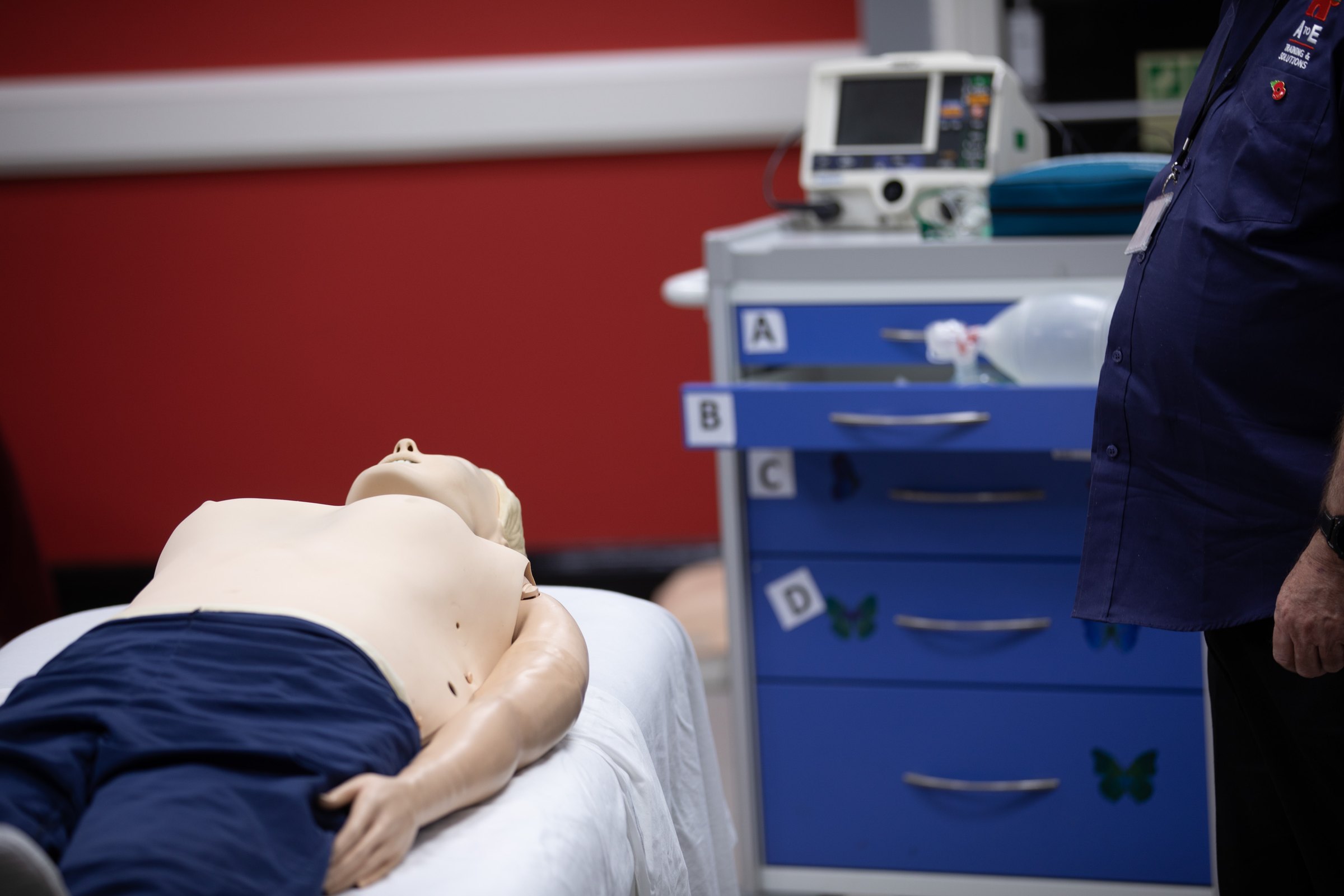
- Recognition and management of the deteriorating patient using an ABCDE approach
- Rhythm recognition including tachy- and brady-arrhythmias
- Causes and prevention of cardiopulmonary arrest
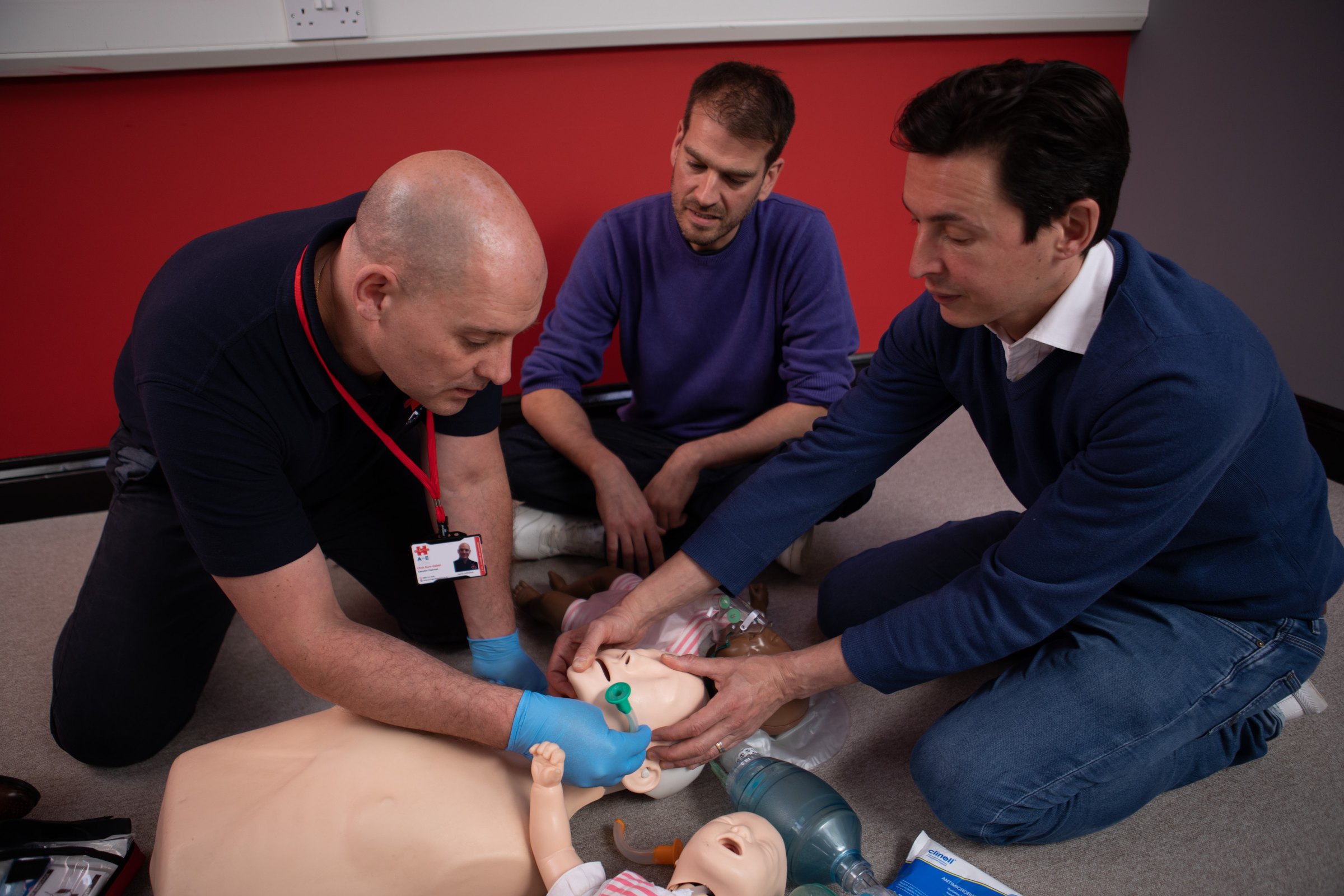
- Airway management with adjuncts
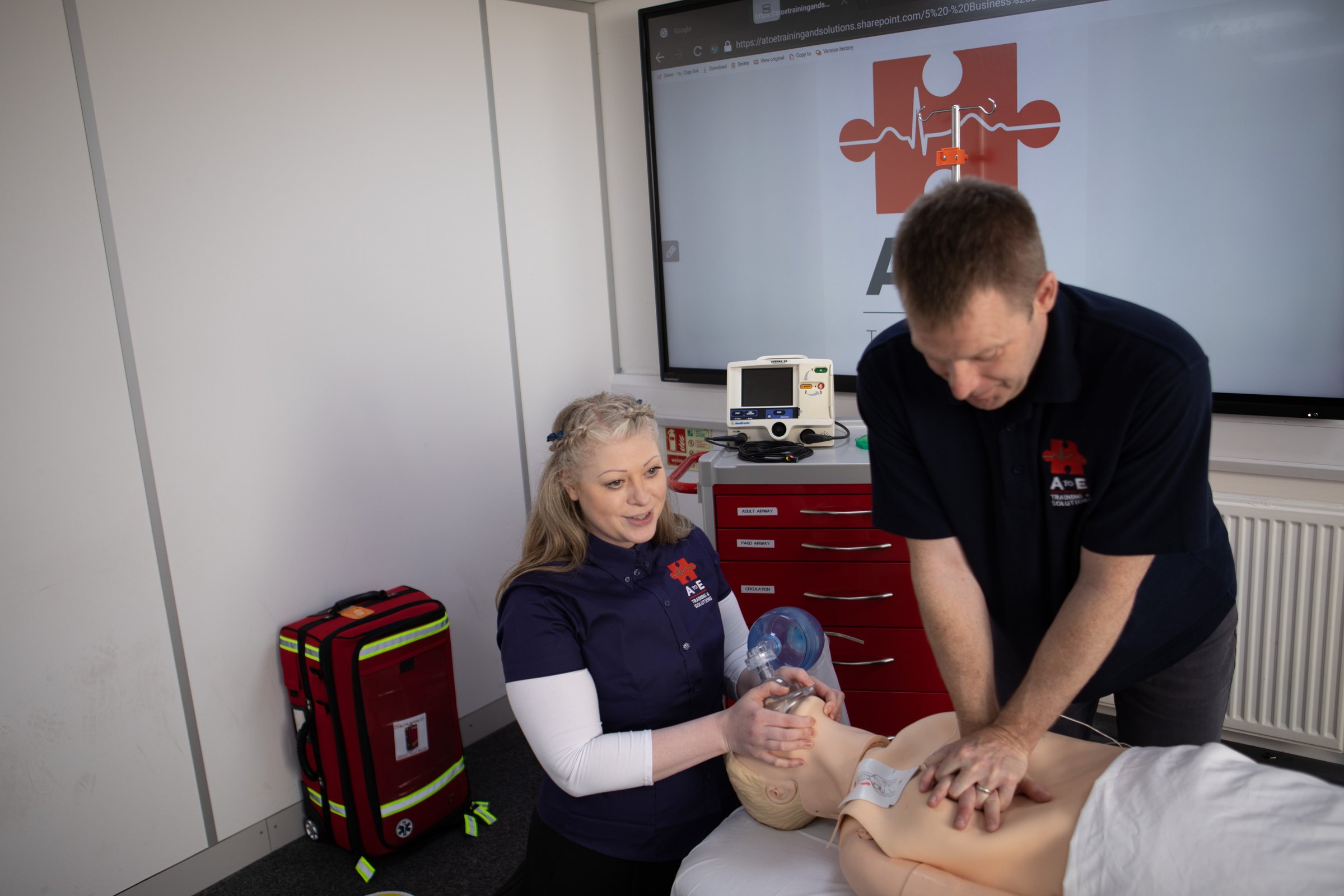
- Delivery of standardised CPR in adults
- Safe manual defibrillation
- Non-technical skills in resuscitation, focusing on strong team leadership
- Resuscitation in special circumstances
- Associated resuscitation skills
- Managing a cardiac arrest by working with a multidisciplinary team.
Resuscitation Training
How the 2 Days Are Structured
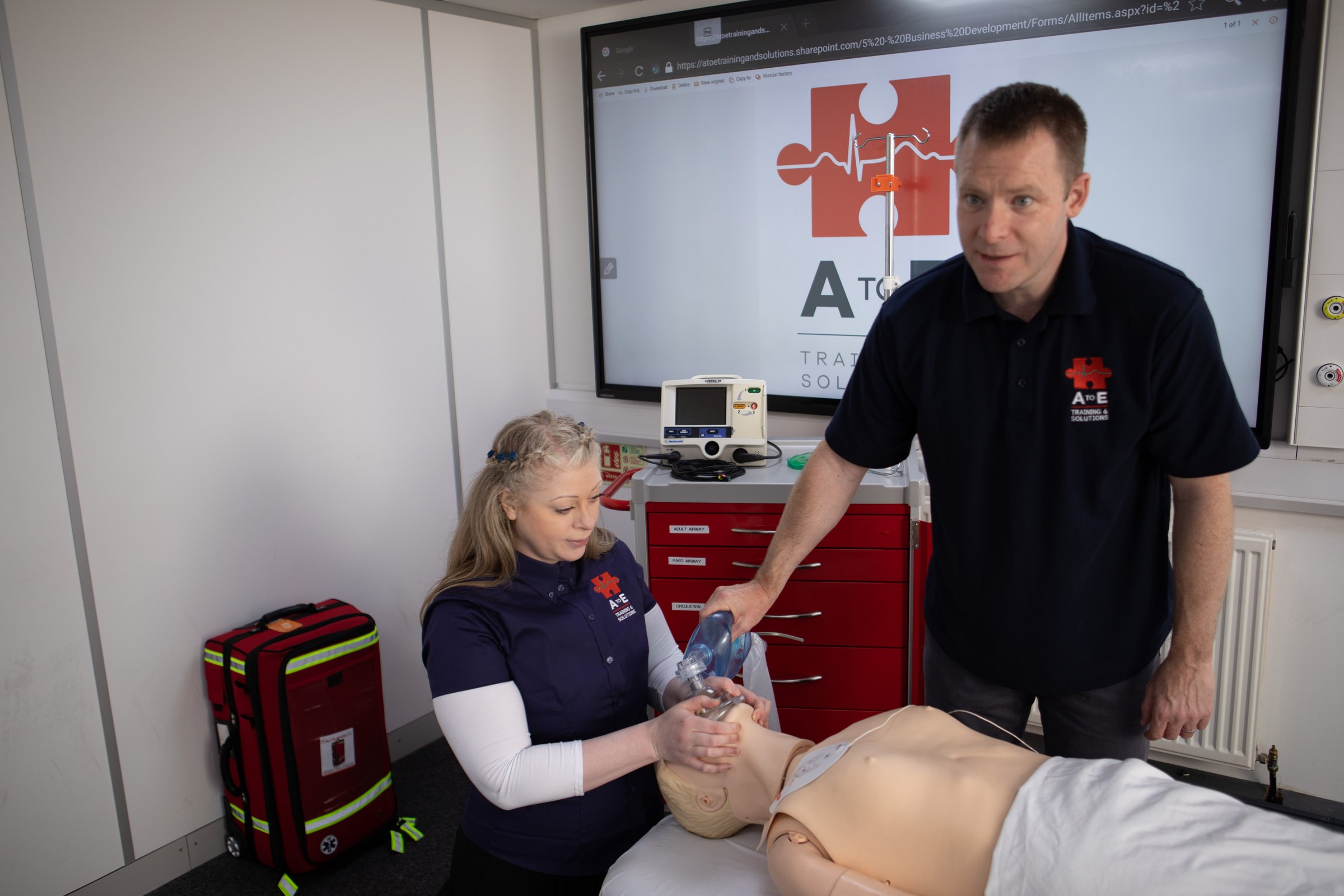
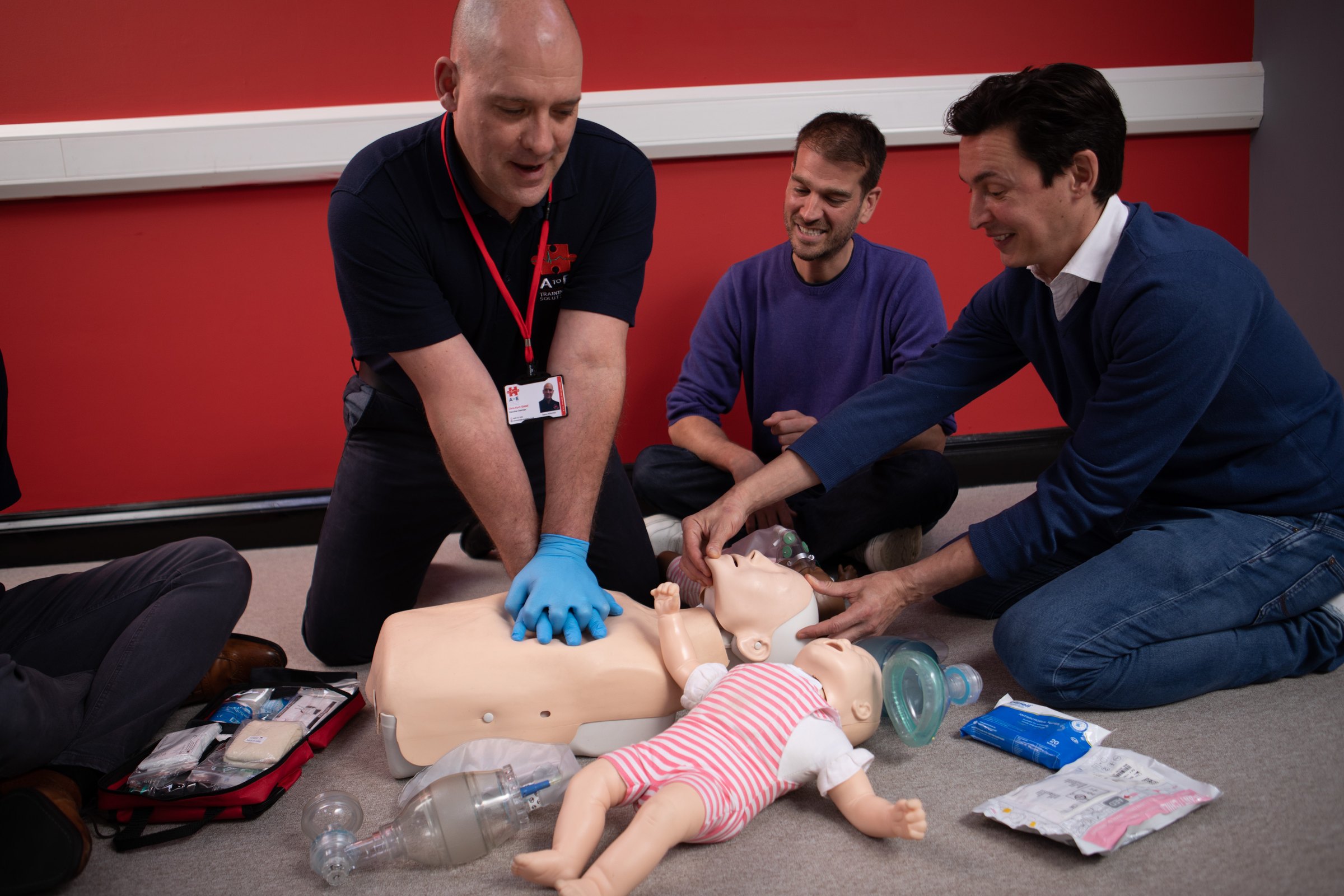
The programme mixes lectures and interactive workshops with skill stations, so each new topic is quickly turned into hands-on practice. You will work on airway management, standardised adult CPR and safe manual defibrillation with an instructor alongside you, and you will rehearse rhythm recognition until you can identify common arrhythmias with confidence.
Cardiac arrest simulations run throughout the course. In small teams you will assess a deteriorating patient with the ABCDE approach, respond to changing rhythms and take turns as team leader. The focus on non-technical skills means you practise clear communication, task allocation and decision making, not just the technical steps.
Because the Advanced Life Support Course follows evidence based guidelines, the skills you practise reflect current resuscitation practice in the UK.
Resuscitation Training
Pre-Course Materials and Certification
Pre-course materials for ALS are dispatched in accordance with Resuscitation Council UK regulations, at least 4 weeks before the course date. Arriving well prepared lets you make the most of the practical sessions and simulations.
Your ALS certificate is valid for 4 years. We aim to issue all certificates within 5 working days of course completion, and in most cases we are able to issue them within 24 hours.
There are other routes to ALS if they suit you better. Our e-ALS course blends e-learning with a day of face to face practical learning, and our ALS Recertification course is for those renewing an existing certificate. If you want to build confidence first, take a look at our ALS Preparation Course. Staff who care for children may also be interested in EPALS.
Resuscitation Training
Where We Deliver the Advanced Life Support Course
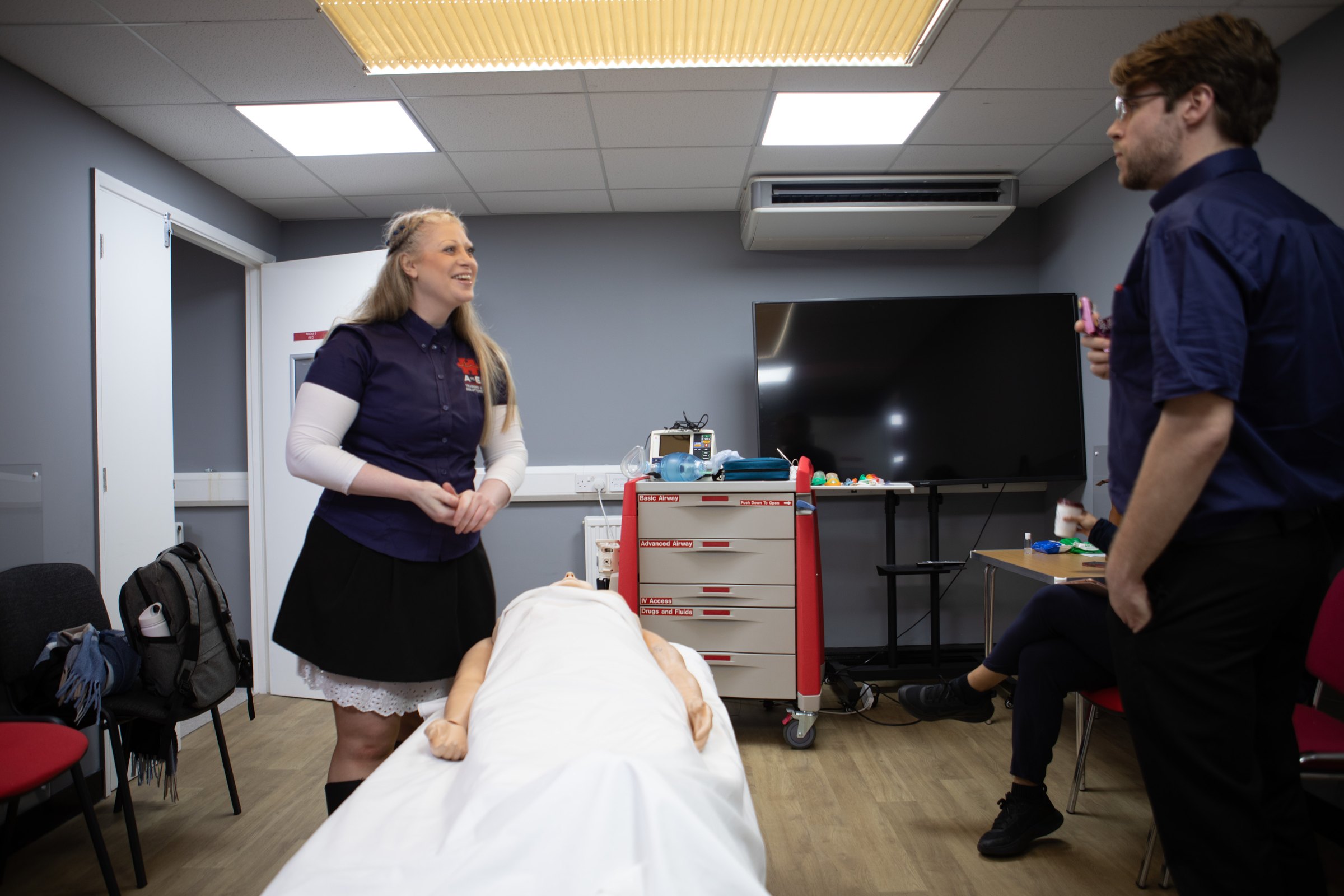
We have a dedicated training facility in Archway, North London, but the vast majority of our training is delivered at client sites across the UK. We can run the course at your venue as long as it is suitable, and we can also help you secure a venue if you need one.
Travelling to our London centre? A Premier Inn is only a 5 minute walk away, there are several other hotels nearby, and the centre is around 15 minutes from Central London by Underground.
Resuscitation Training
Group Bookings and Individual Places
We offer group bookings as well as individual course spaces for courses running at our course centre in London. Booking as a group is an efficient way to train a resuscitation team together, and we would love to hear about your requirements.
Frequently Asked Questions About the Advanced Life Support Course
How long does the Advanced Life Support Course take?
Is the course accredited by the Resuscitation Council UK?
How long is an ALS certificate valid?
When are pre-course materials sent?
How soon will I get my certificate?
Is there an alternative to the 2 day format?
Can you deliver ALS training at our hospital?
Book Your Advanced Life Support Course
If your role involves managing or leading a response to cardiac arrest, our Advanced Life Support Course will give you the skills and structure to act decisively. We offer individual places and group bookings to suit your team. Make an enquiry today and we will help you find the right date and venue.
"*" indicates required fields