
Clinical Skills Training for Universities and Higher Education
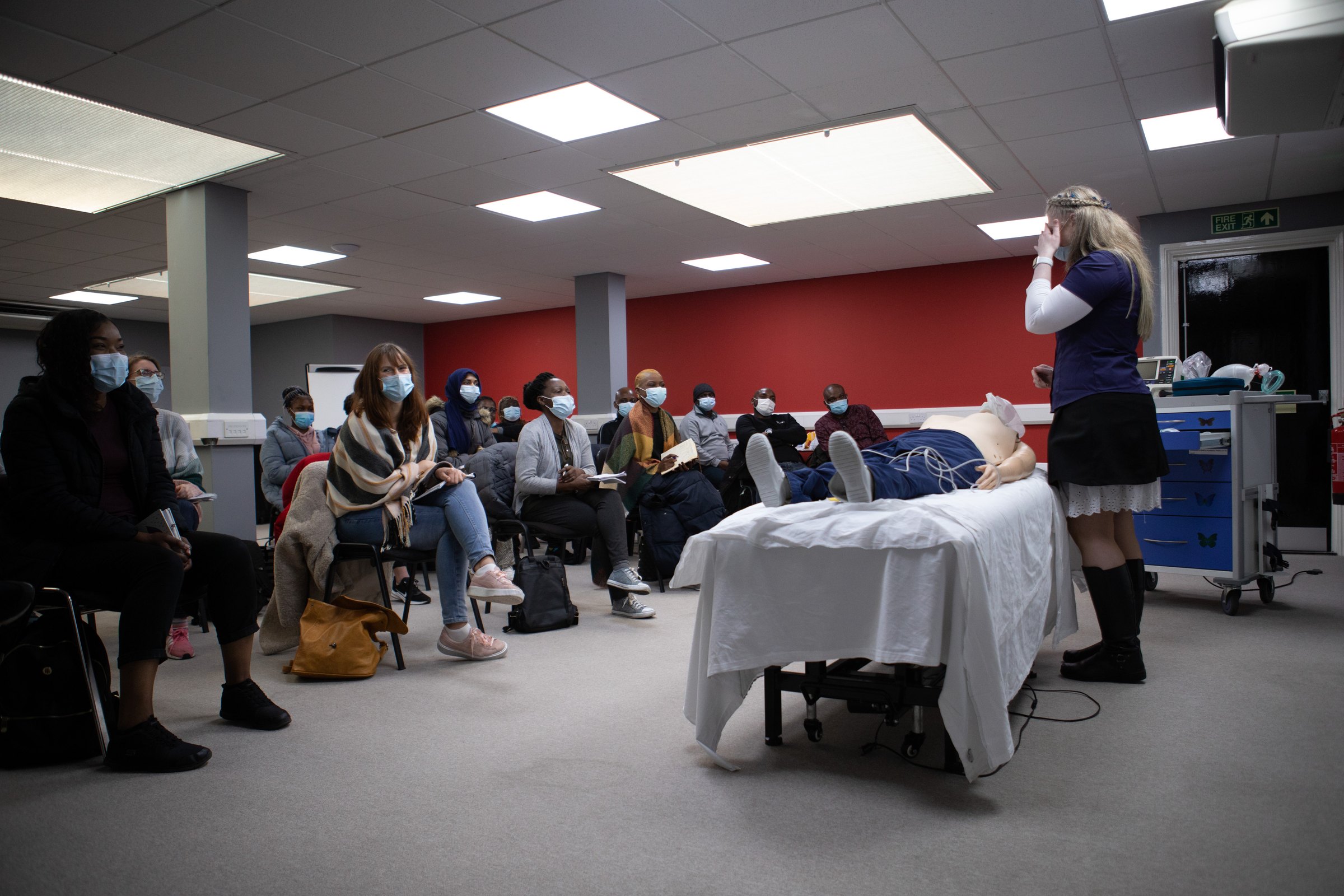
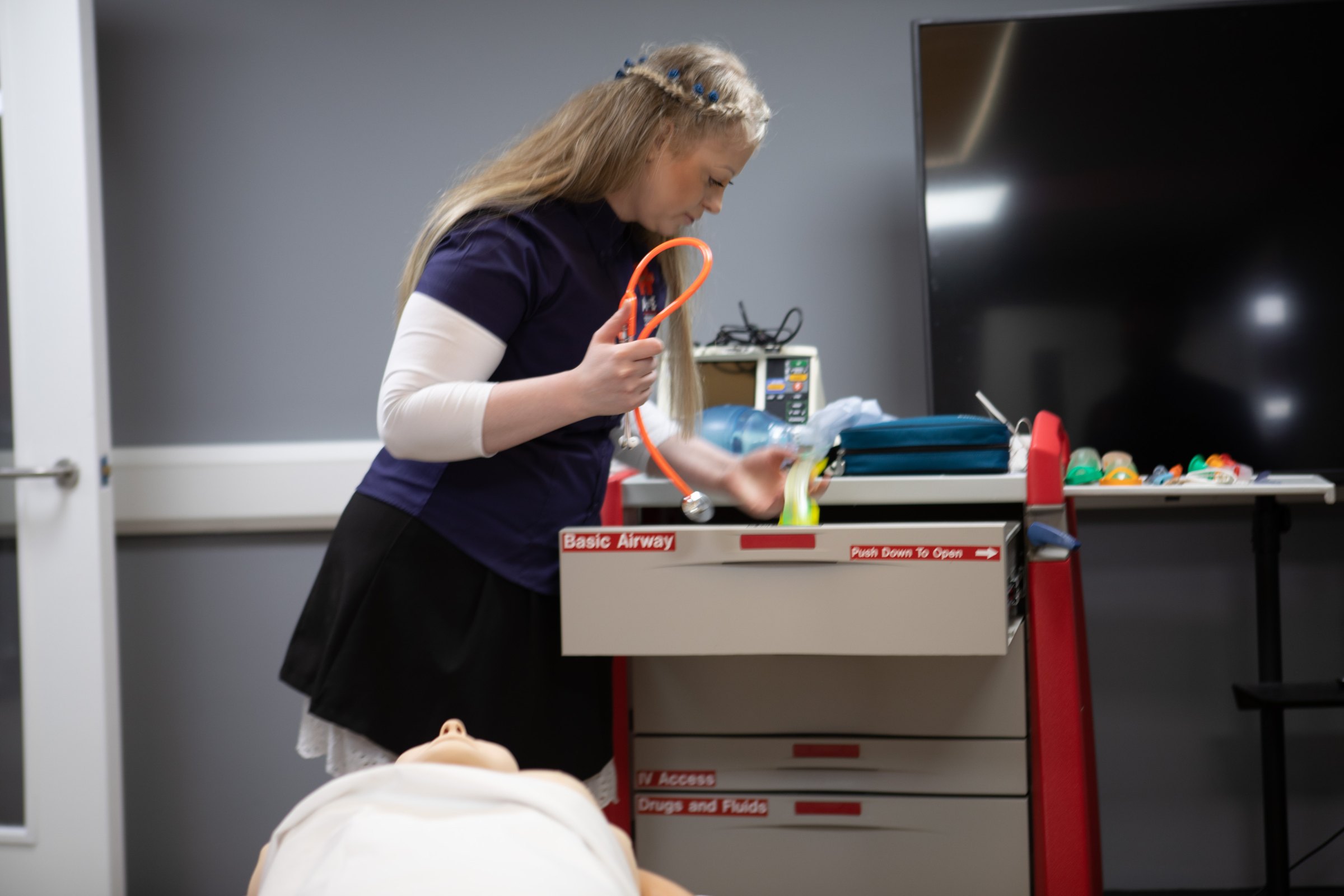
A to E works with universities and healthcare education providers to support students and healthcare professionals. Our Clinical Skills Training complements academic programmes with practical clinical skills, simulation and accredited life support education, helping students move from the lecture theatre to placement with real confidence.
We were founded in 2006 by a nurse, a paramedic and a doctor, and all our instructors are practising clinicians. Students learn from people who use these skills in real clinical settings, which brings the theory they study to life.
Higher education
Why Universities Choose Our Clinical Skills Training
Healthcare students need more than knowledge. Before placement, they need to show they can respond safely when a patient deteriorates or collapses. Universities need a partner who can deliver that training reliably, to large cohorts, at the right point in the academic calendar.
- Clinician led: registered, practising clinicians deliver every session
- Accredited life support: we are a Resuscitation Council UK course centre for ILS, PILS, ALS, EPALS and GIC
- Quality assured: we hold the Skills for Health Quality Mark
- Scalable: we can support scheduled cohorts and larger programmes across the academic year
- Flexible: training on your campus or at our centres in London, Dudley and Bolton
Higher education
Supporting Cohorts Across the Academic Year
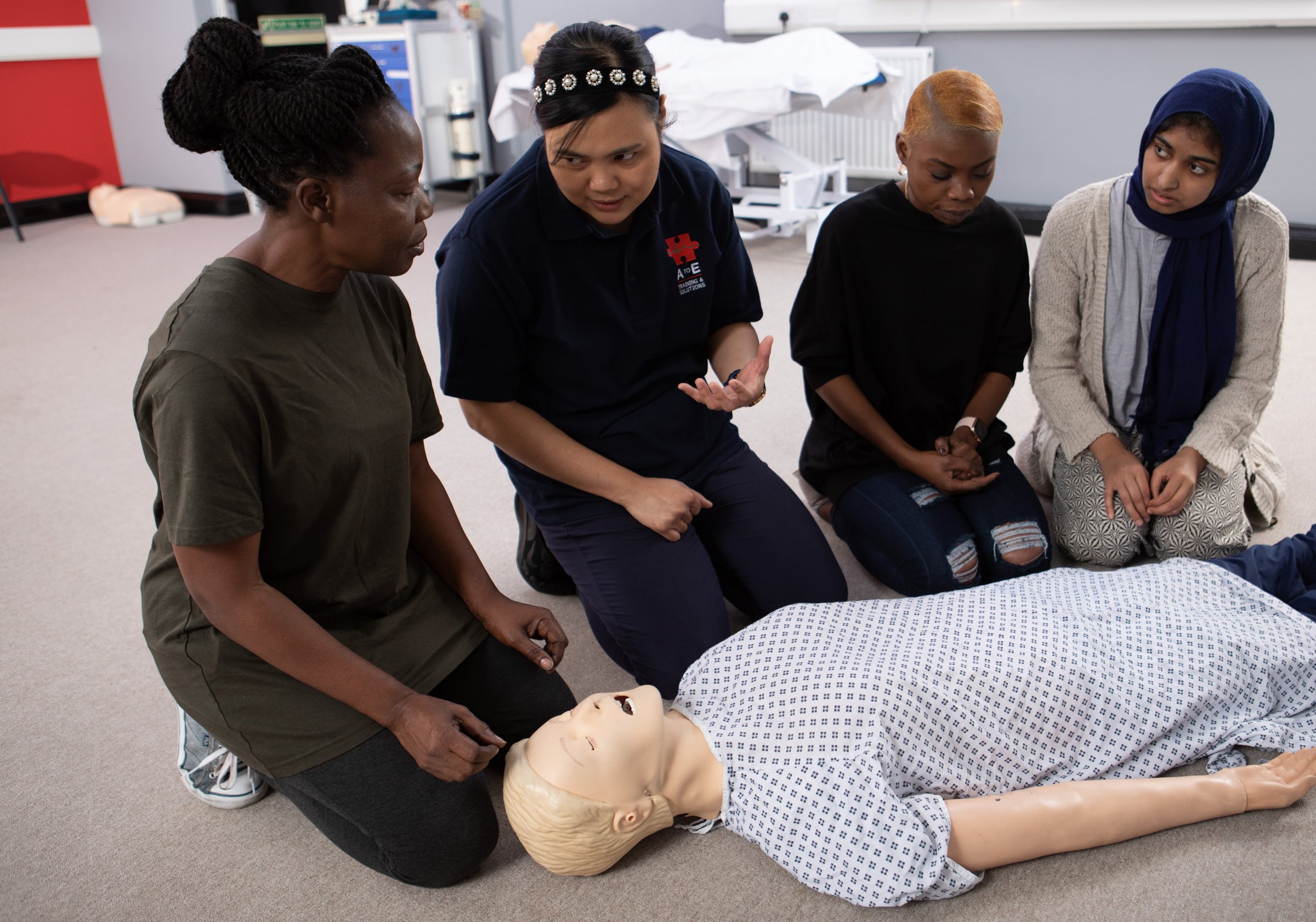
Academic timetables are fixed well in advance, and practical training has to fit around teaching blocks, assessments and placements. We plan Clinical Skills Training around your calendar, whether you need a single cohort trained before a first placement or a rolling programme for several courses across the year.
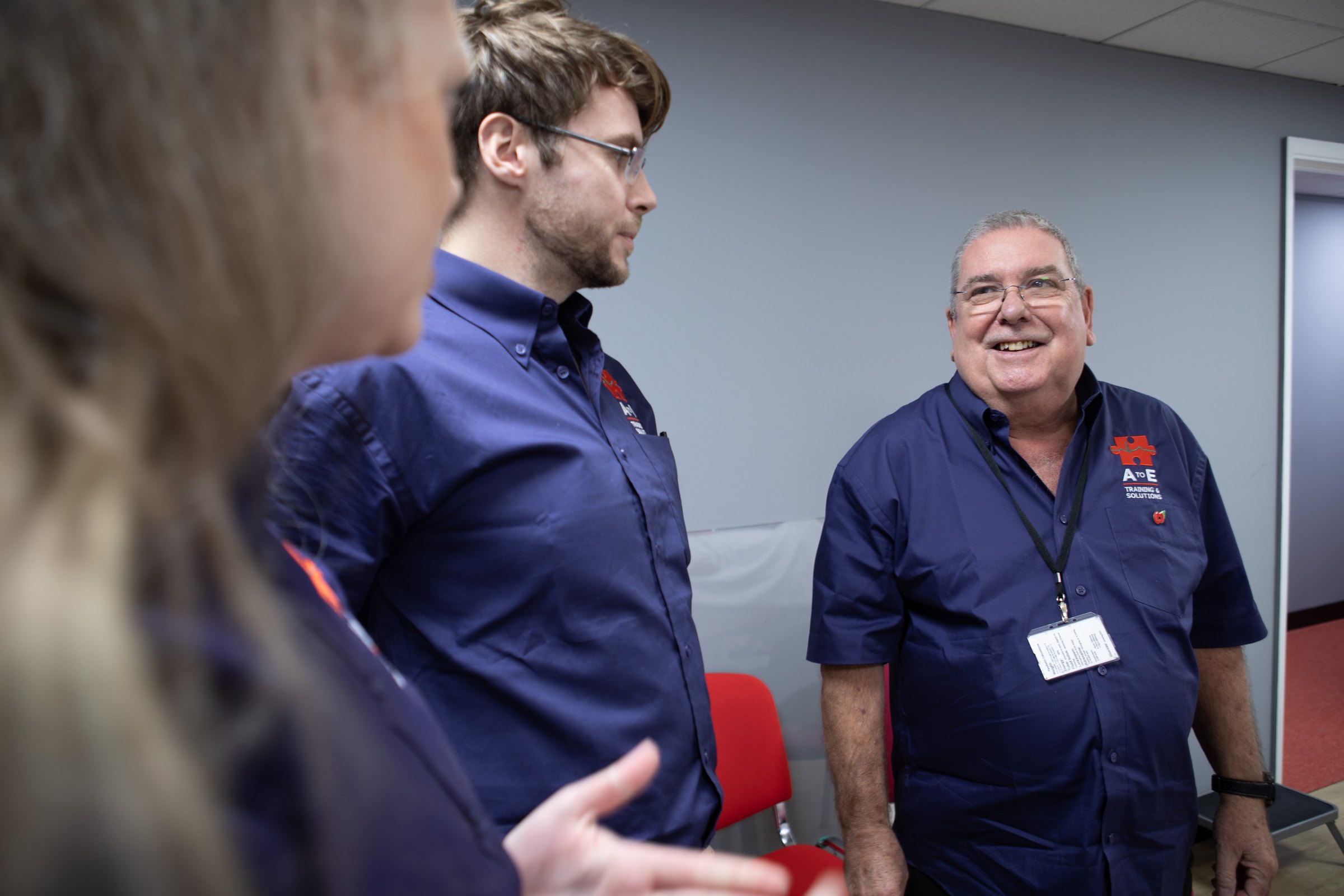
With more than 350 clinical instructors and over 5,000 courses delivered each year, we have the capacity to staff large cohort sessions while keeping instructor to student ratios appropriate for practical learning.
Higher education
Blended Learning and Mandatory Training
Many universities use a blended approach, combining e-learning with face to face practical teaching and assessment. We have worked with universities to provide engaging e-learning in line with the Core Skills Training Framework, followed by face to face teaching and assessment from registered staff. This model makes efficient use of contact time while ensuring every student demonstrates practical competence.
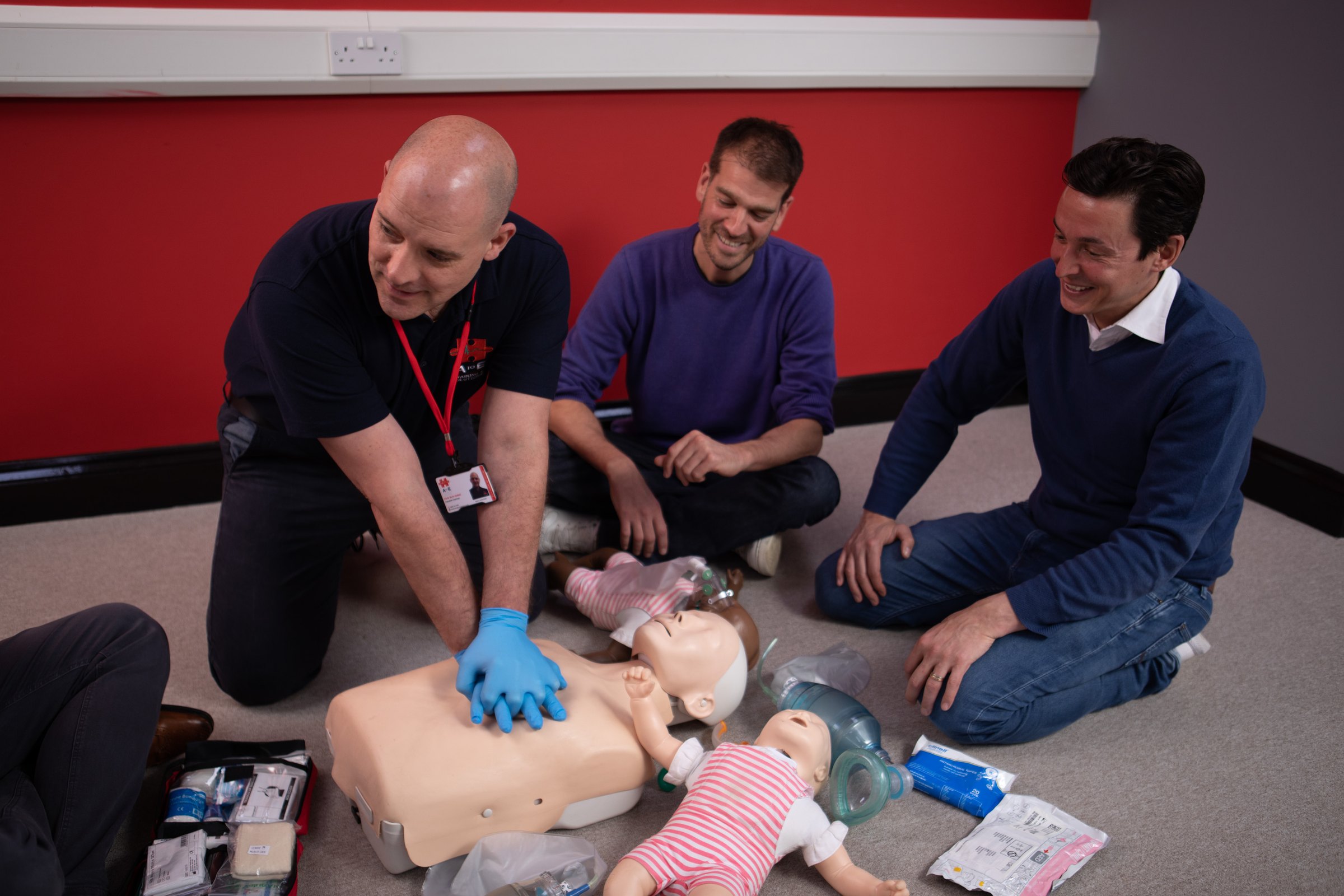
Our life support training covers both adult and paediatric specialities, so nursing, midwifery, paramedic and allied health students can each receive training relevant to their future roles.
Higher education
Accredited Life Support Education
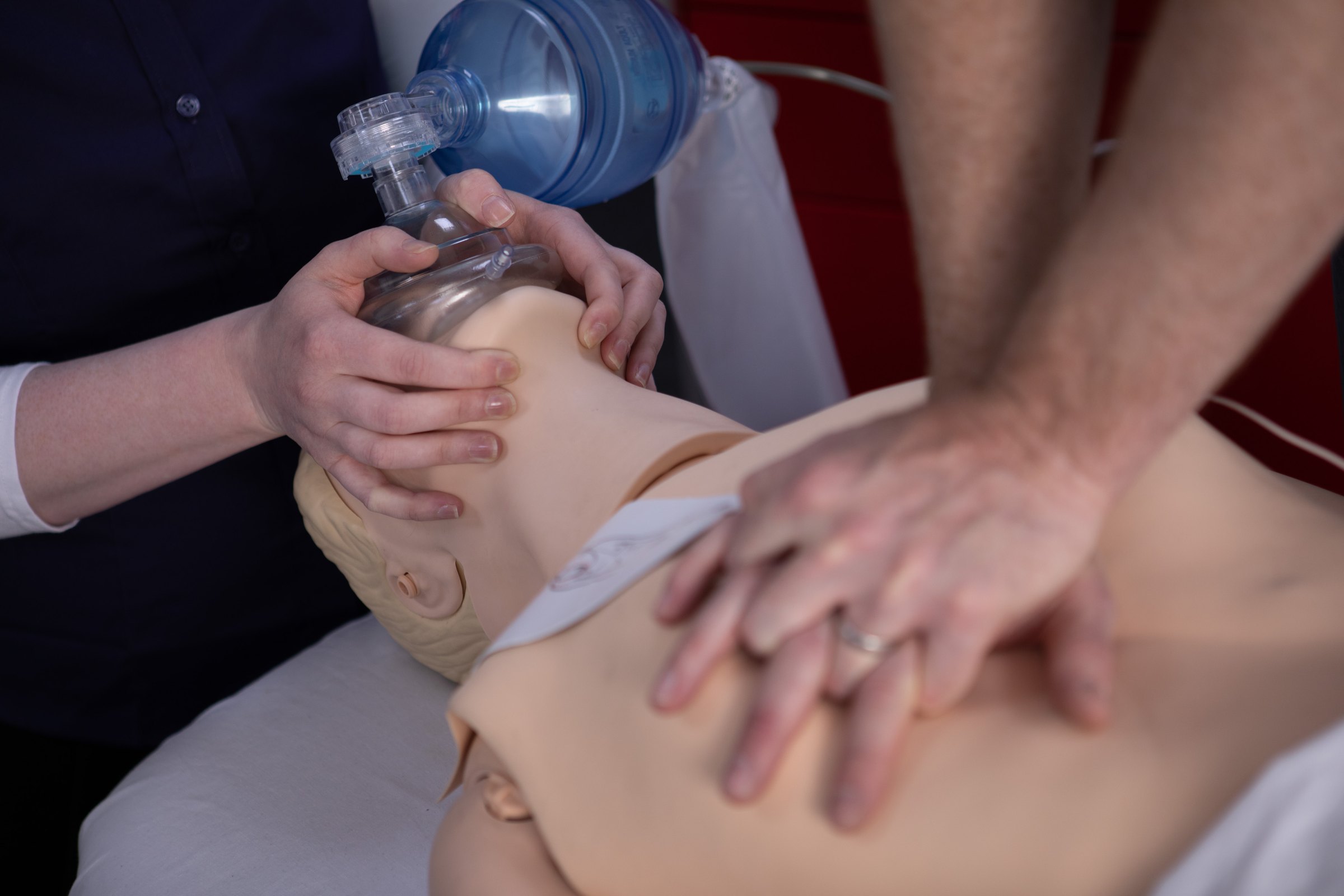
For students and qualified healthcare professionals who need recognised certification, we deliver Resuscitation Council UK courses, including the Immediate Life Support Course, Paediatric Immediate Life Support and Advanced Life Support. These follow the Resuscitation Council UK course regulations.
Higher education
Simulation and Practical Clinical Skills
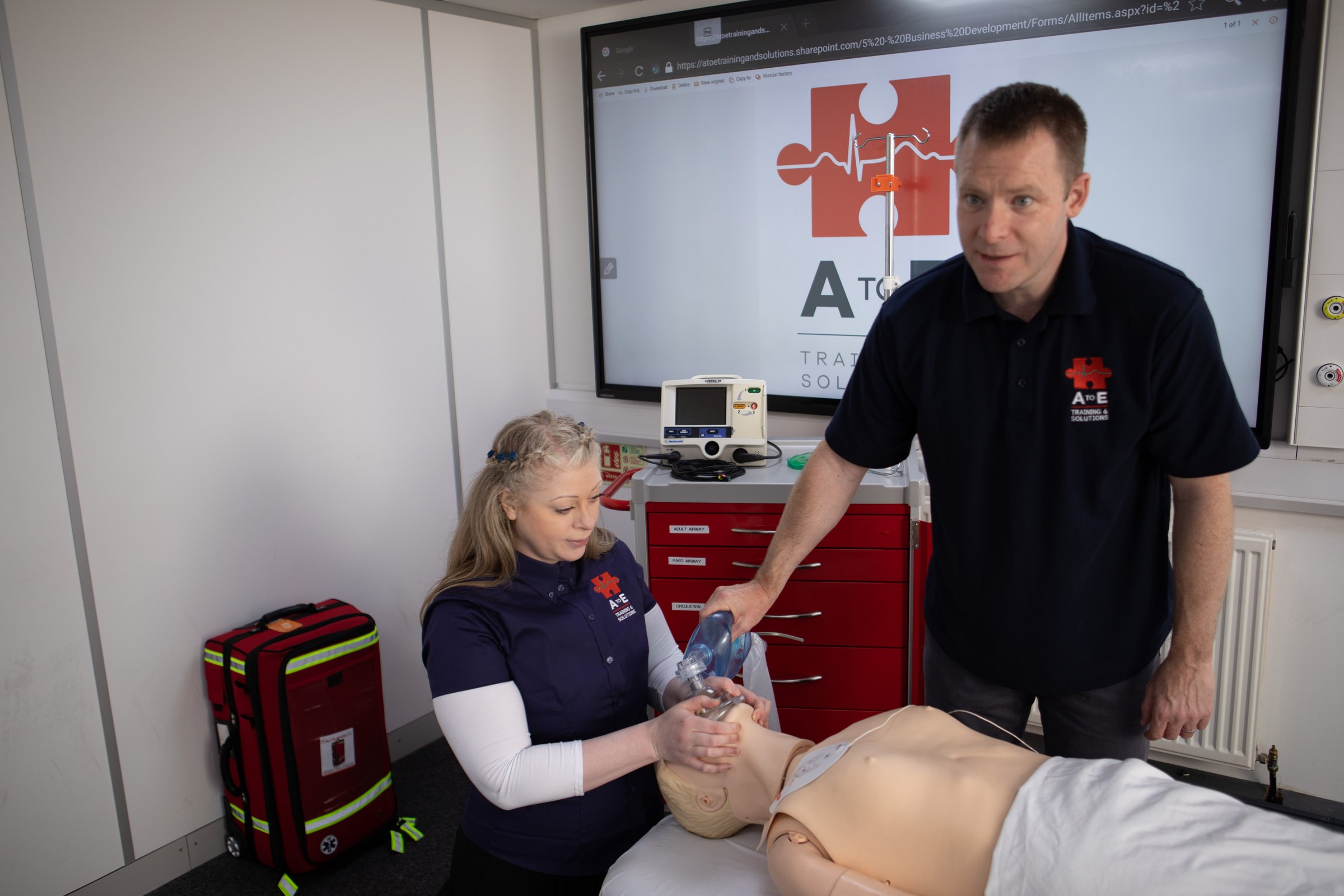
Simulation lets students practise high stakes situations in a safe environment. Our Clinical Skills Training can include scenario based simulation, helping students build teamwork, communication and decision making alongside technical skills. Our RADAR training teaches students to recognise acute deterioration and escalate using a structured approach.
Practical clinical skills sessions can also cover subjects such as venepuncture and cannulation, anaphylaxis management and moving and handling, depending on the needs of your programme.
Higher education
Clinical Skills Training for Healthcare Professionals
Universities and education providers also support qualified healthcare professionals through post registration programmes, return to practice courses and continuing professional development. Our Clinical Skills Training can be built into these programmes, giving experienced staff a chance to refresh life support skills, practise rarely used procedures and update their knowledge in line with current guidance.
Because our instructors work clinically, they can tailor discussion to the settings learners come from, whether that is an acute ward, a community team or a specialist service.
Higher education
How We Work With Education Providers
Every partnership starts with a conversation about your programmes, learners and timetable. We then agree content, dates and assessment arrangements, confirm instructor numbers and handle the logistics of each session. After delivery we can share attendance and completion information with your programme team, and review the arrangement with you ahead of the next academic year.
Higher education
Supporting Your Teaching Staff
As well as training students, we can help universities develop their own teaching capacity. Our instructor programmes, including the Generic Instructor Course, help lecturers and clinical skills staff develop their teaching and assessment skills.
Higher education
What Universities Say About Our Clinical Skills Training
“A to E have provided mandatory life support training across the healthcare student school, in both Adult and Paediatric specialities. They have worked with the university to provide engaging and pertinent e-learning in line with the core skills training framework and then provided credible and professional, registered staff to provide F2F teaching and undertake assessment. Thank you, we have strong confidence in the learning and skills delivered and achieved by the students.”
Sarah Cocker, Senior Lecturer, Oxford Brookes University
Frequently Asked Questions About Clinical Skills Training for Universities
Can you train large student cohorts?
Can training be delivered on our campus?
Do you offer blended learning?
Do you cover paediatric as well as adult life support?
Can you help train our teaching staff?
Contact us
Discuss Clinical Skills Training for Your Students
To talk through Clinical Skills Training for your next cohort or academic year, contact our team, call 0800 112 3205 or email admin@a-ets.com.