
Resuscitation Training
MEMi-MHILS (Medical Emergencies Management in Mental Health Intermediate Life Support)
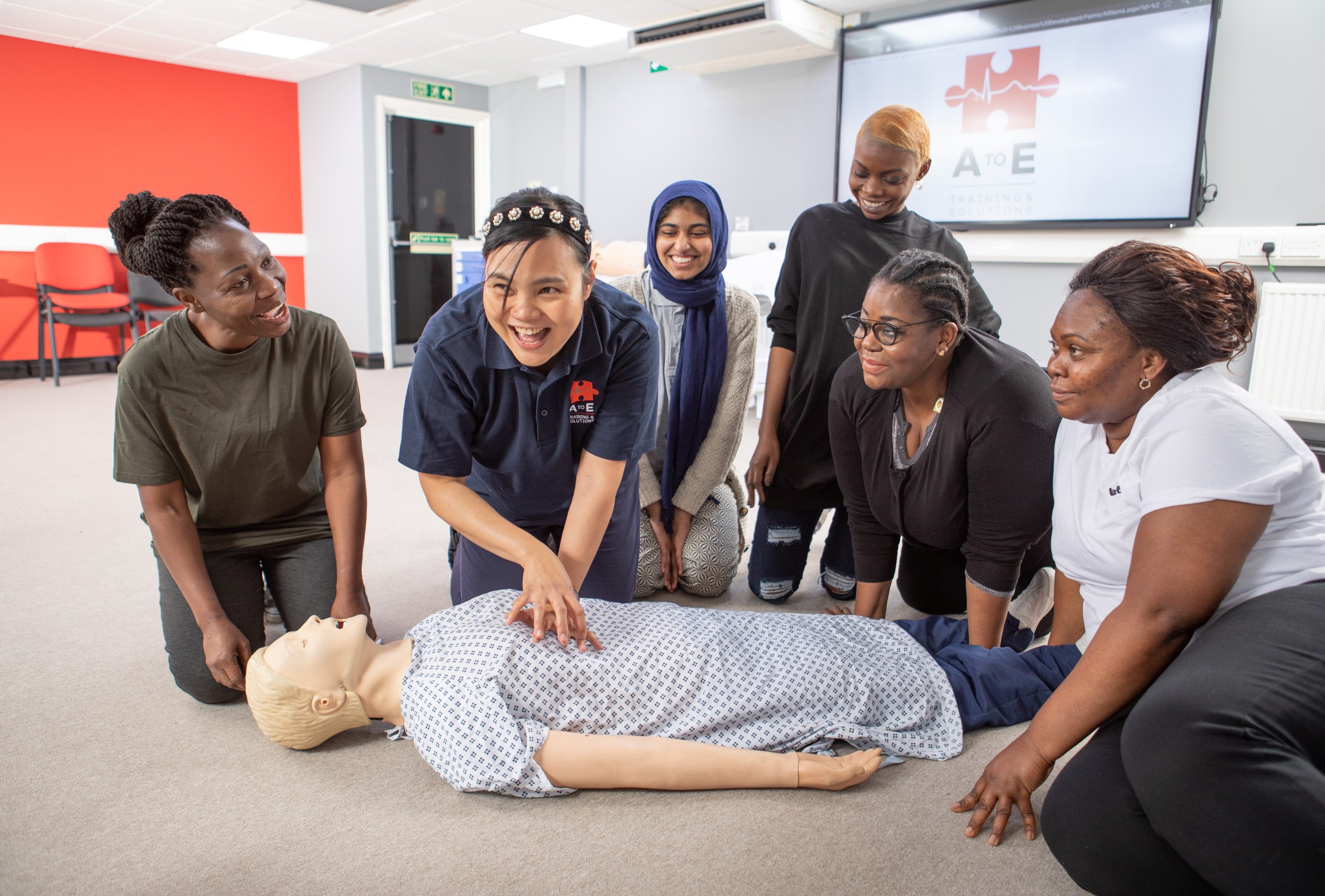
Mental Health Intermediate Life Support training prepares staff in mental health services to recognise and manage medical emergencies. MEMi-MHILS stands for Medical Emergencies Management in Mental Health Intermediate Life Support, and it brings intermediate level resuscitation skills into the context of mental health care.
Medical emergencies in mental health settings can present differently from those on a general ward. Staff may work in units where medical equipment and on site medical cover are more limited, so being confident to assess, act and escalate is especially important.
Resuscitation Training
Why Mental Health Intermediate Life Support Matters
People who use mental health services can experience the same medical emergencies as anyone else, and some face additional risks. A structured, confident response from the team on the unit gives the patient the best chance while further help is on the way.
Mental Health Intermediate Life Support training aims to give mental health teams a shared approach: recognising when a patient is becoming unwell, starting resuscitation if needed, and communicating clearly when escalating.
Resuscitation Training
What the Course Covers
Content is taught in line with the Resuscitation Council UK guidelines and shaped around mental health settings. Typical areas at intermediate life support level include:
- Structured ABCDE assessment of a deteriorating patient
- Recognising and responding to medical emergencies
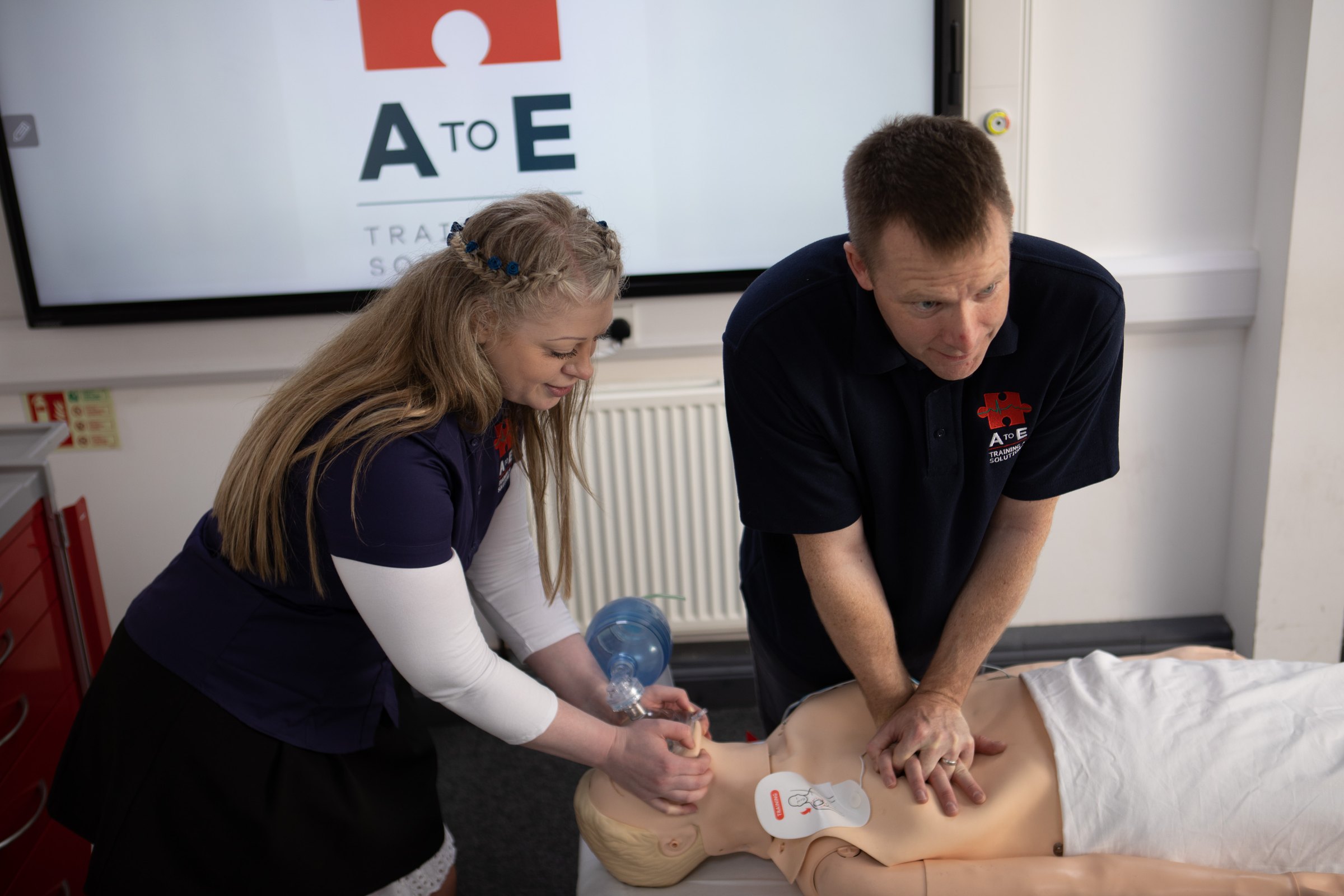
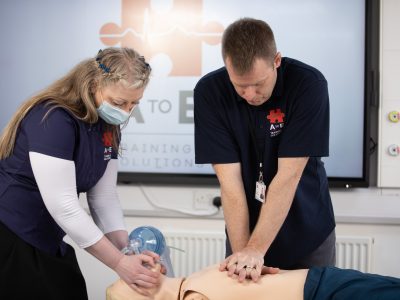
- Basic life support and safe use of a defibrillator
- Clear escalation and handover to emergency services or medical teams
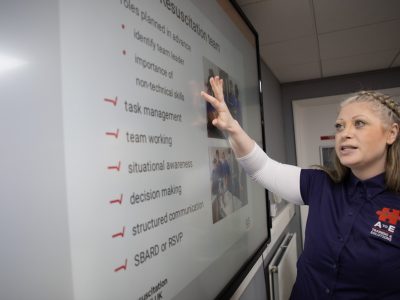
- Working together as a team during an emergency
Resuscitation Training
How the Training Is Delivered
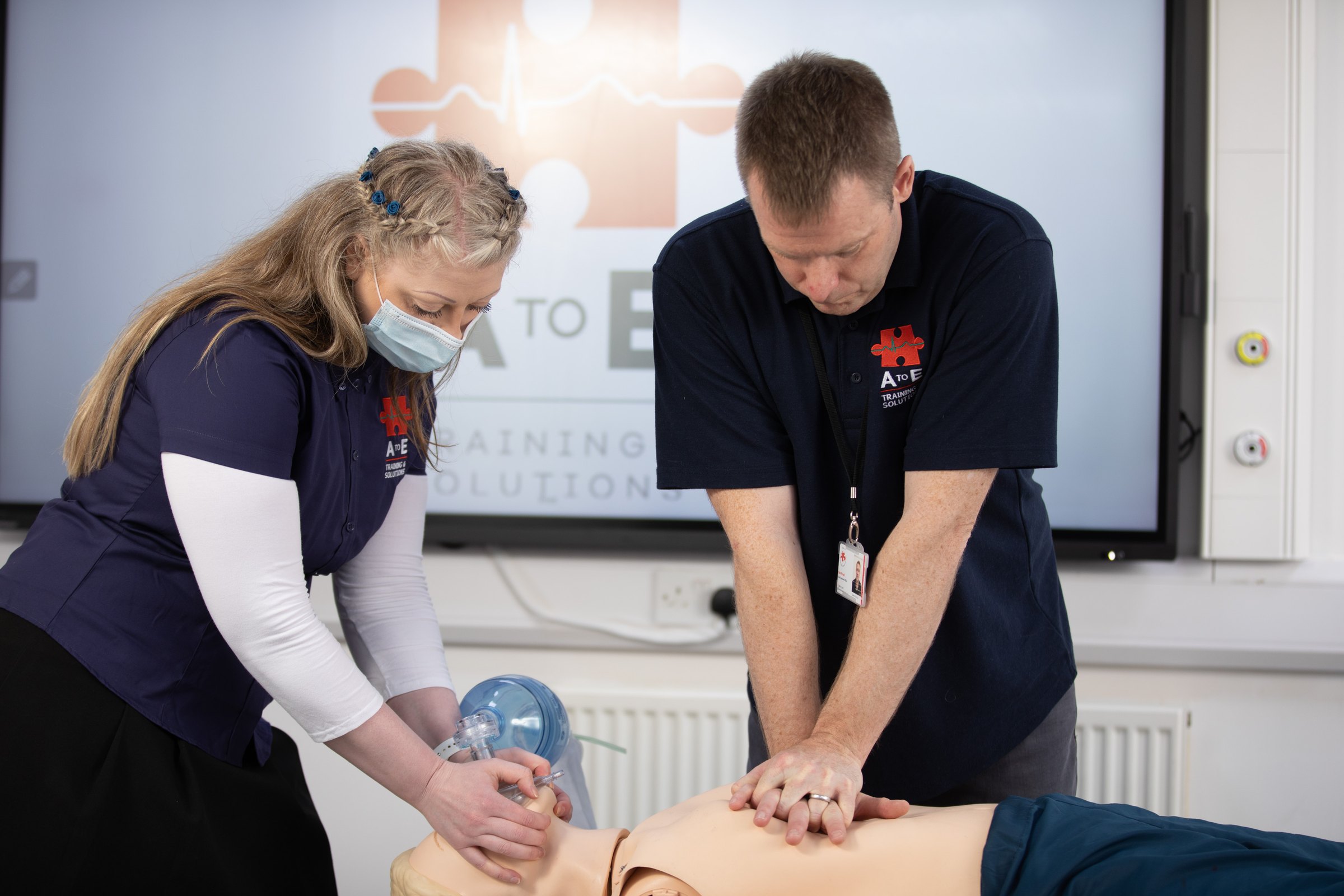
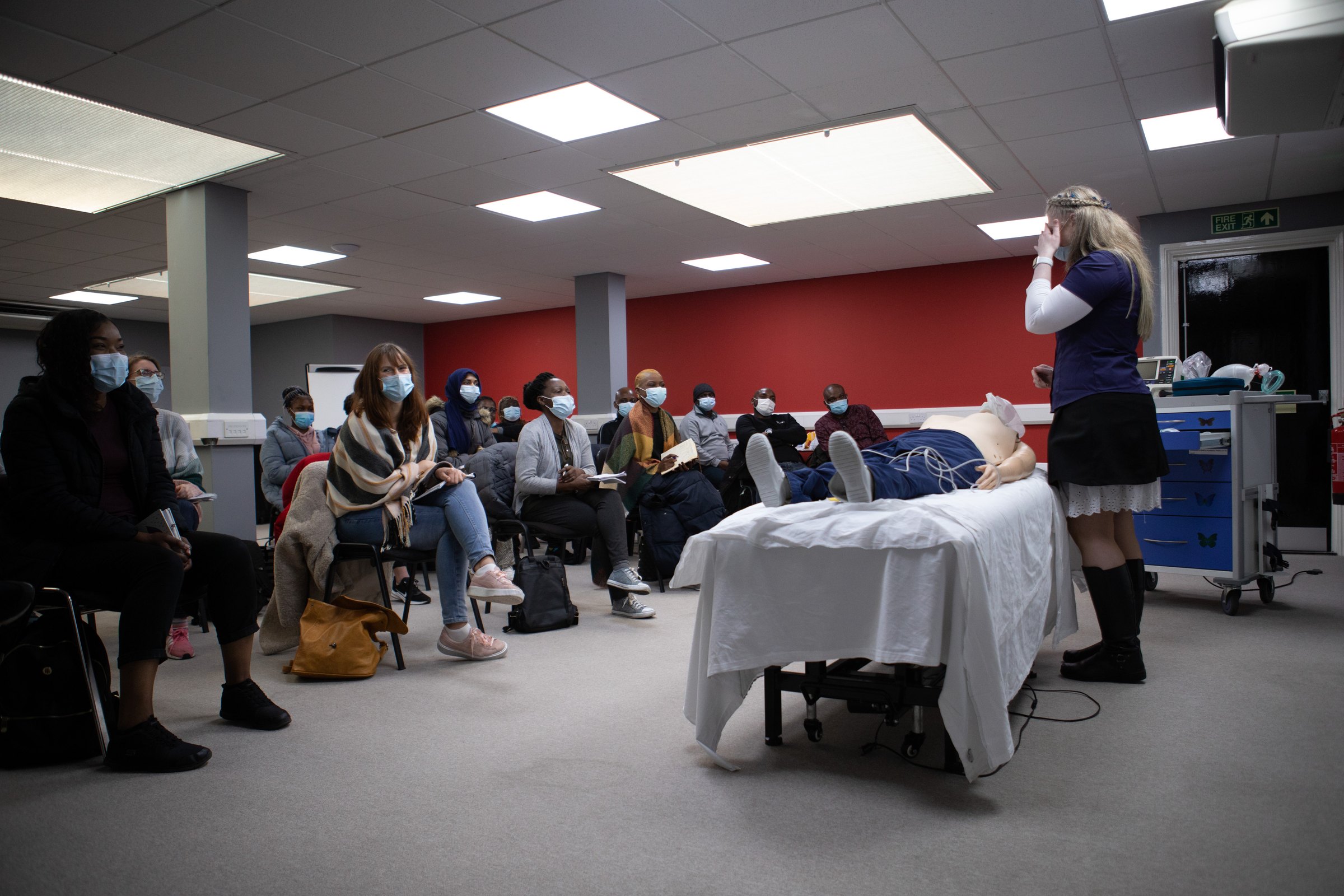
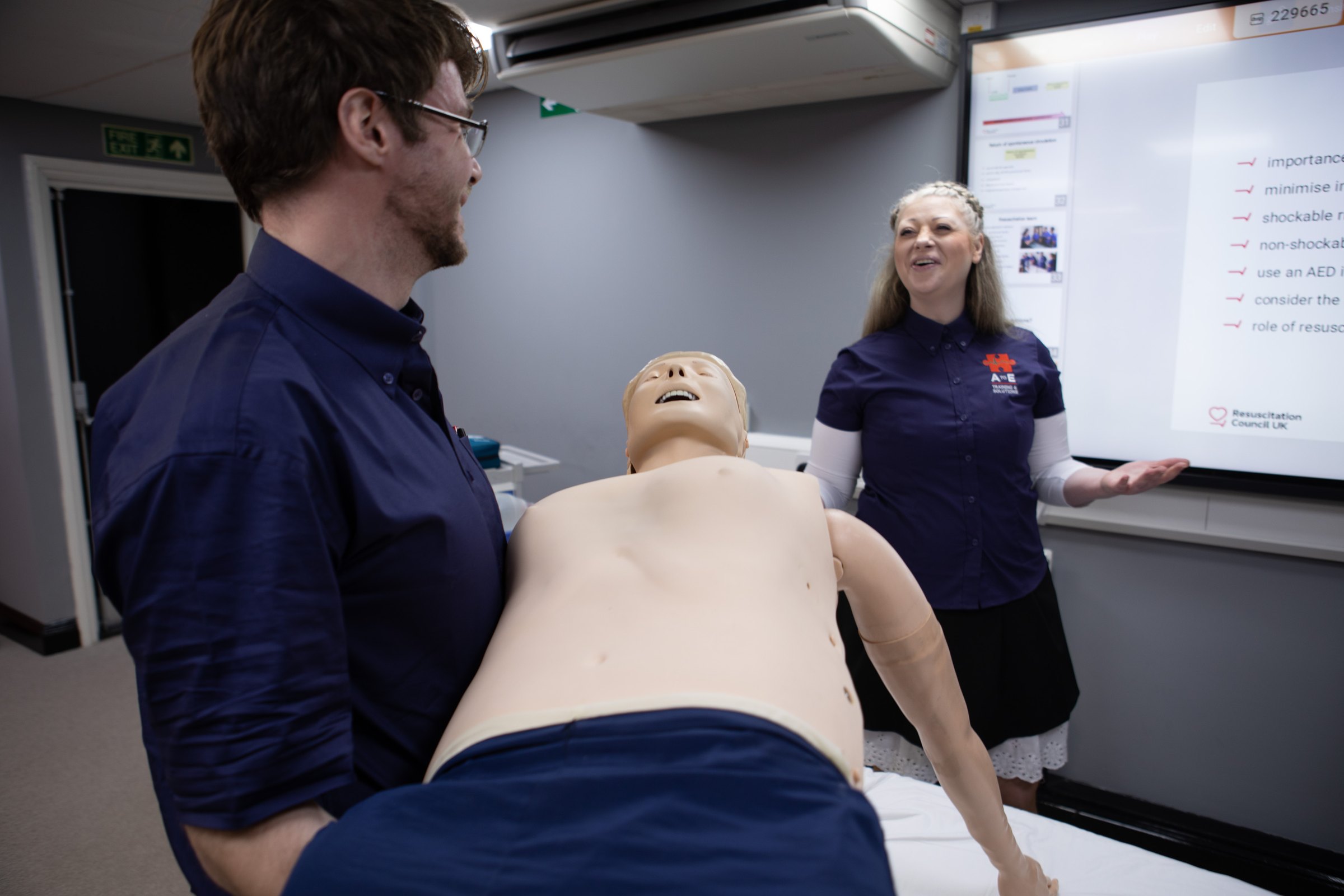
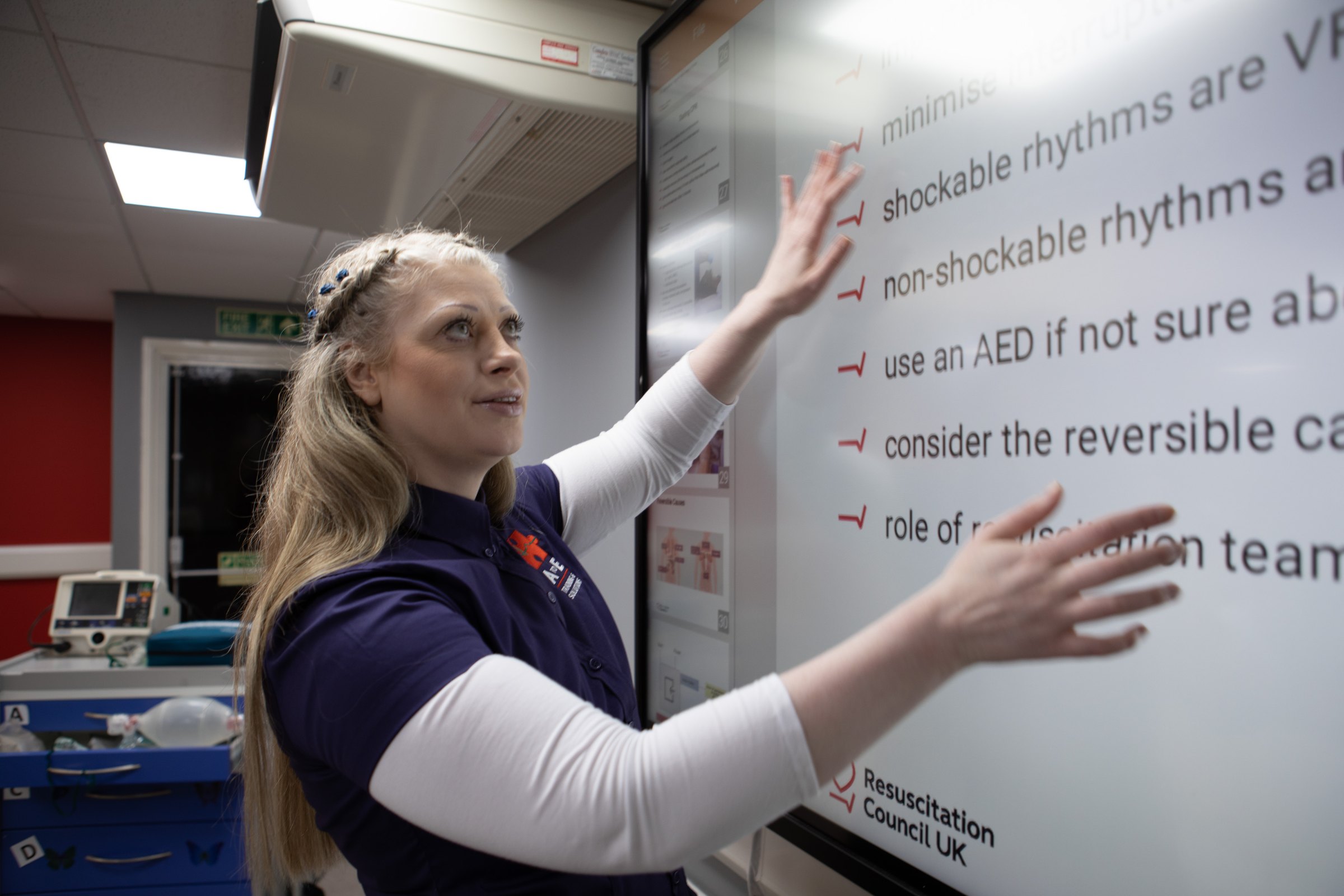
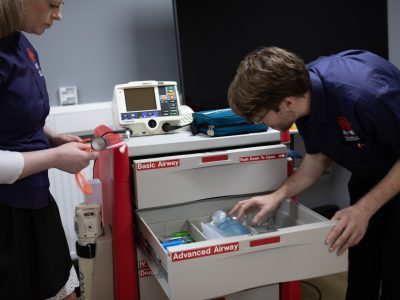
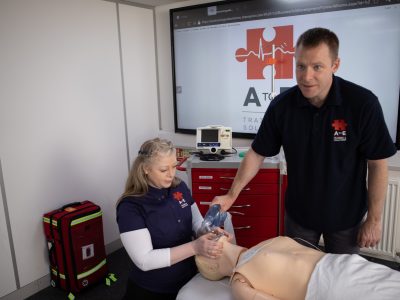
Our courses are practical and scenario based. Short teaching sessions are followed by skill stations and realistic simulations, so delegates practise assessment, CPR, defibrillation and escalation as a team rather than in isolation.
Where the course is delivered on site, scenarios can reflect the layout, equipment and escalation routes of your own unit. That helps staff connect what they learn with the way emergencies would actually unfold where they work.
Resuscitation Training
Building on Basic Life Support
Mental Health Intermediate Life Support sits within our Level 3 intermediate life support courses. It builds on basic life support, adding a structured approach to the deteriorating patient and the confidence to manage an emergency until further help arrives. Staff who need basic life support first can start with our basic life support courses, and our BLS Train the Trainer course can help services build in house trainers.
Resuscitation Training
Who Should Attend
Mental Health Intermediate Life Support is designed for registered and unregistered staff working in mental health services, including inpatient units and community teams, who may be first to respond to a medical emergency.
Resuscitation Training
Why Choose A to E
A to E was founded in 2006 by a nurse, a paramedic and a doctor. We are an accredited Resuscitation Council UK course centre for ILS, PILS, ALS, EPALS and the Generic Instructor Course, and we hold the Skills for Health Quality Mark. Our instructors are qualified clinicians with real experience of the subjects they teach.
Most of our training is delivered on site at clients’ premises across the UK, which means mental health teams can practise in their own environment with their own equipment.
If your staff need the standard Resuscitation Council UK course instead, see our Immediate Life Support course.
Related courses
Frequently Asked Questions About Mental Health Intermediate Life Support
What does MEMi-MHILS stand for?
How is it different from the standard ILS course?
Who is the course for?
Can you deliver the course at our unit?
Can staff without a clinical registration attend?
Who teaches the course?
Book Mental Health Intermediate Life Support Training
To arrange Mental Health Intermediate Life Support training for your service, call 0800 112 3205 or contact us and our team will help plan the right course.
"*" indicates required fields