
Governance & Consulting
Overview
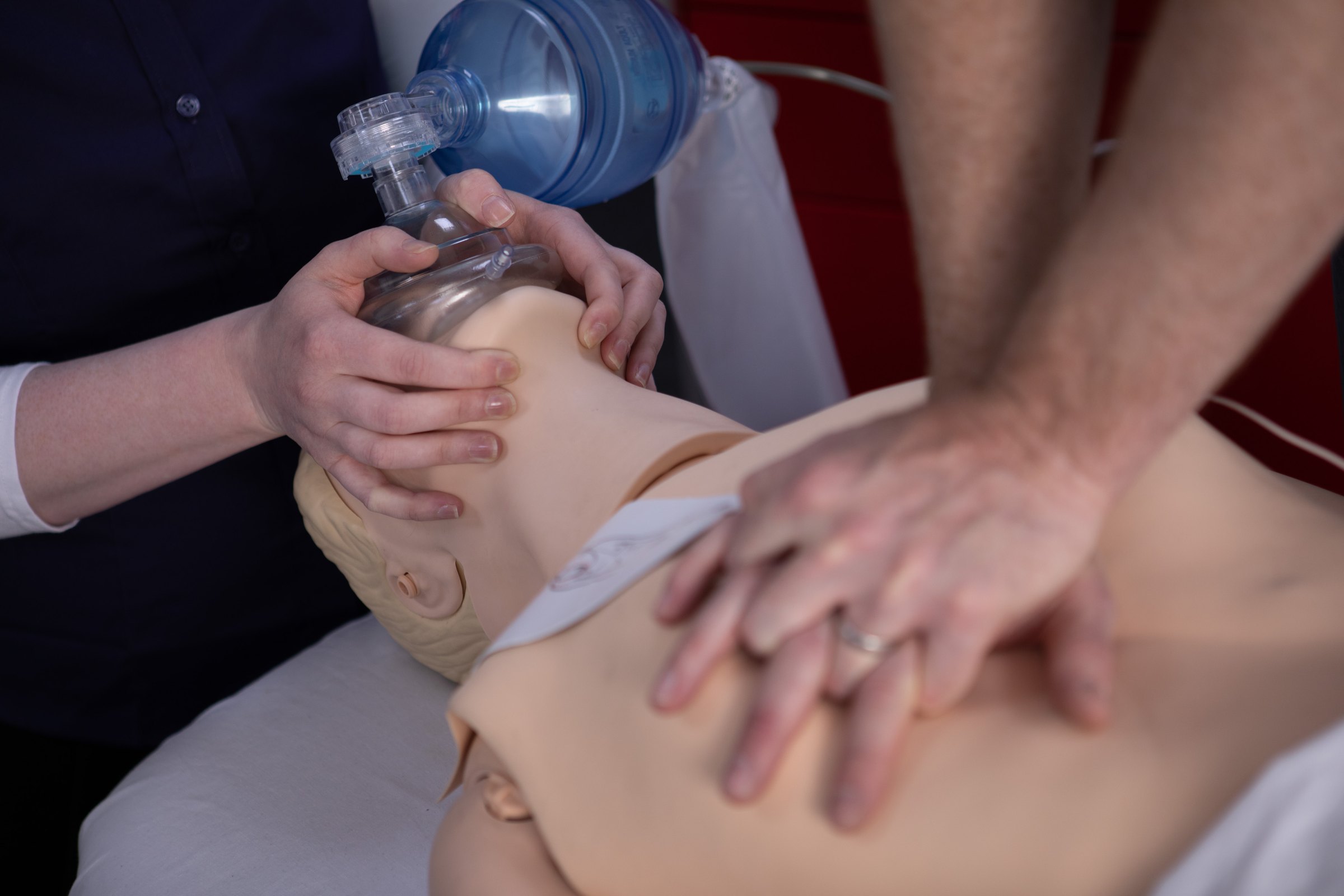
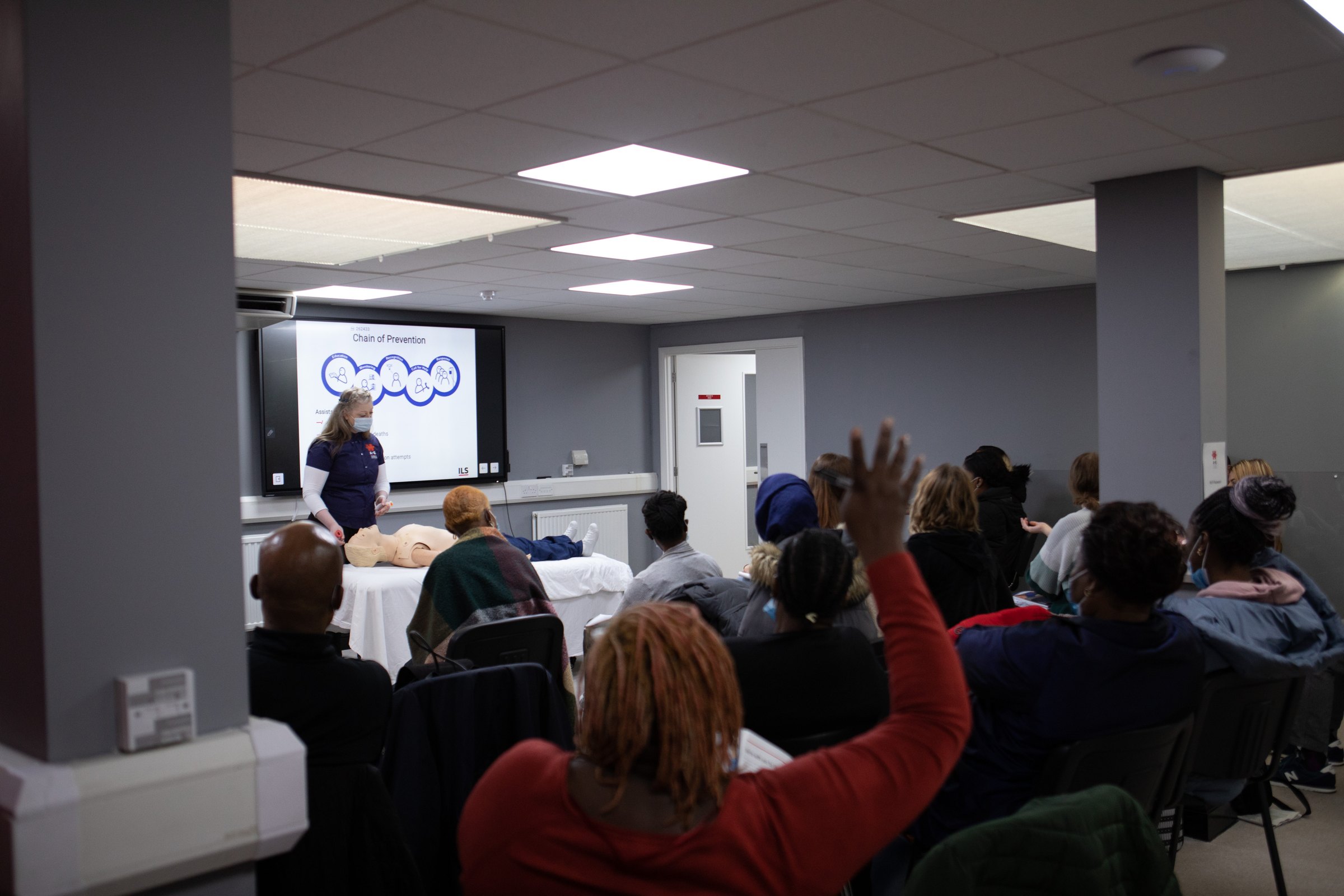
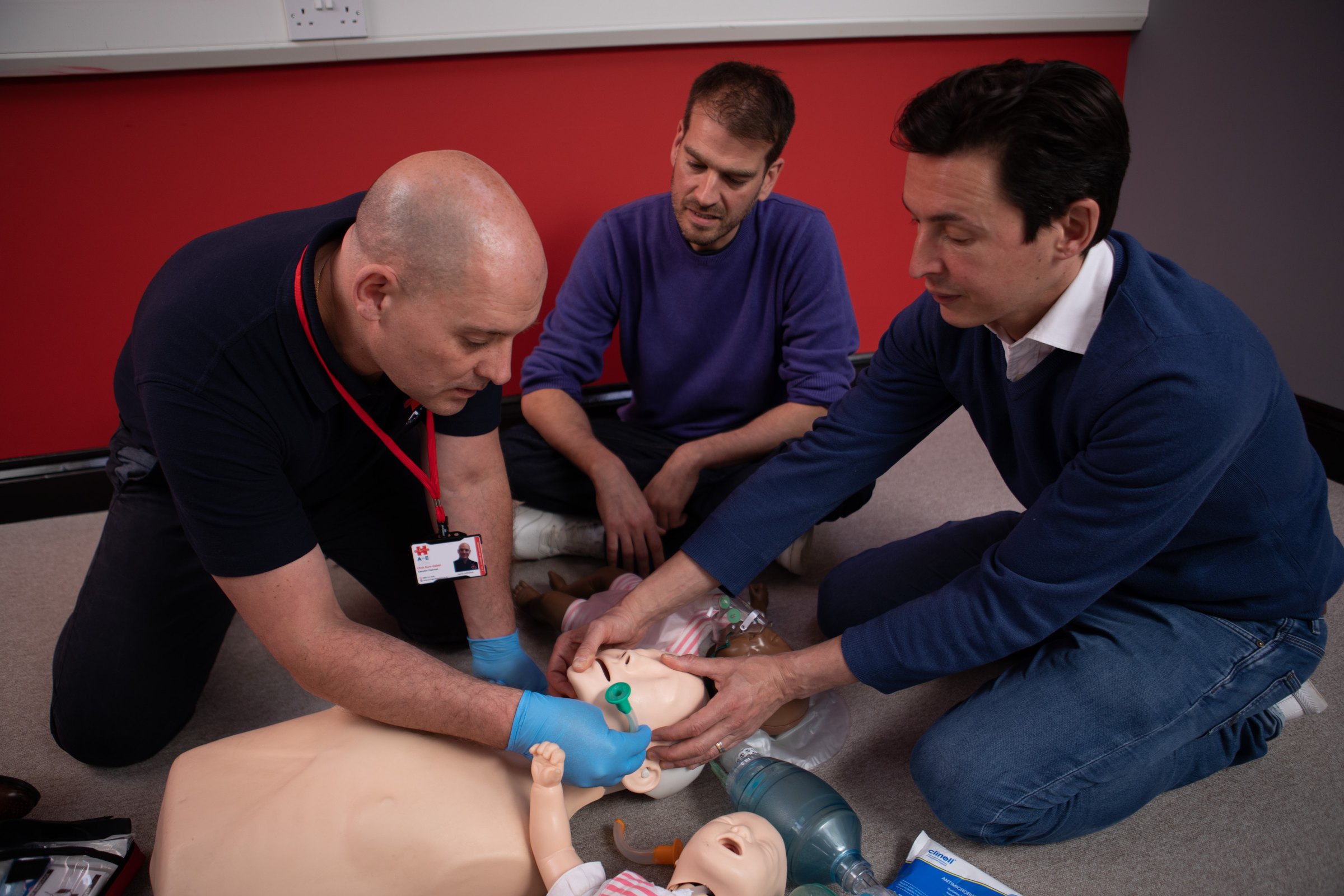
In this unannounced re-creation of a medical emergency, in-situ clinical resuscitation simulations require staff to respond within the scope and competency expected of their clinical role.
The simulations typically start with a deteriorating patient situation, which then progresses to cardiorespiratory arrest. Staff are required to deploy local equipment and escalate using internal emergency systems, as per an actual event. Throughout the scenario, staff use their clinical competencies to assess and perform resuscitation interventions, in accordance with both national recommendations and local guidelines.
Governance & Consulting
Why Run In-Situ Clinical Resuscitation Simulations
Classroom training builds individual skills, but an emergency is handled by a team, in a specific place, with specific equipment and systems. In-situ clinical resuscitation simulations test all of these together in your real working environment.
Because the scenario takes place where your staff actually work, it shows how quickly equipment can be found and used, how well the emergency call system works and how confidently people take on roles under pressure. It can reveal latent hazards, such as equipment that is hard to reach or processes that are unclear, before they affect a real patient.
For organisations focused on patient safety, regular simulation provides practical evidence of how prepared teams are and where support is needed. It sits well alongside a learning focused approach to safety such as the NHS England Patient Safety Incident Response Framework.
Governance & Consulting
Why Choose A to E for In-Situ Simulation
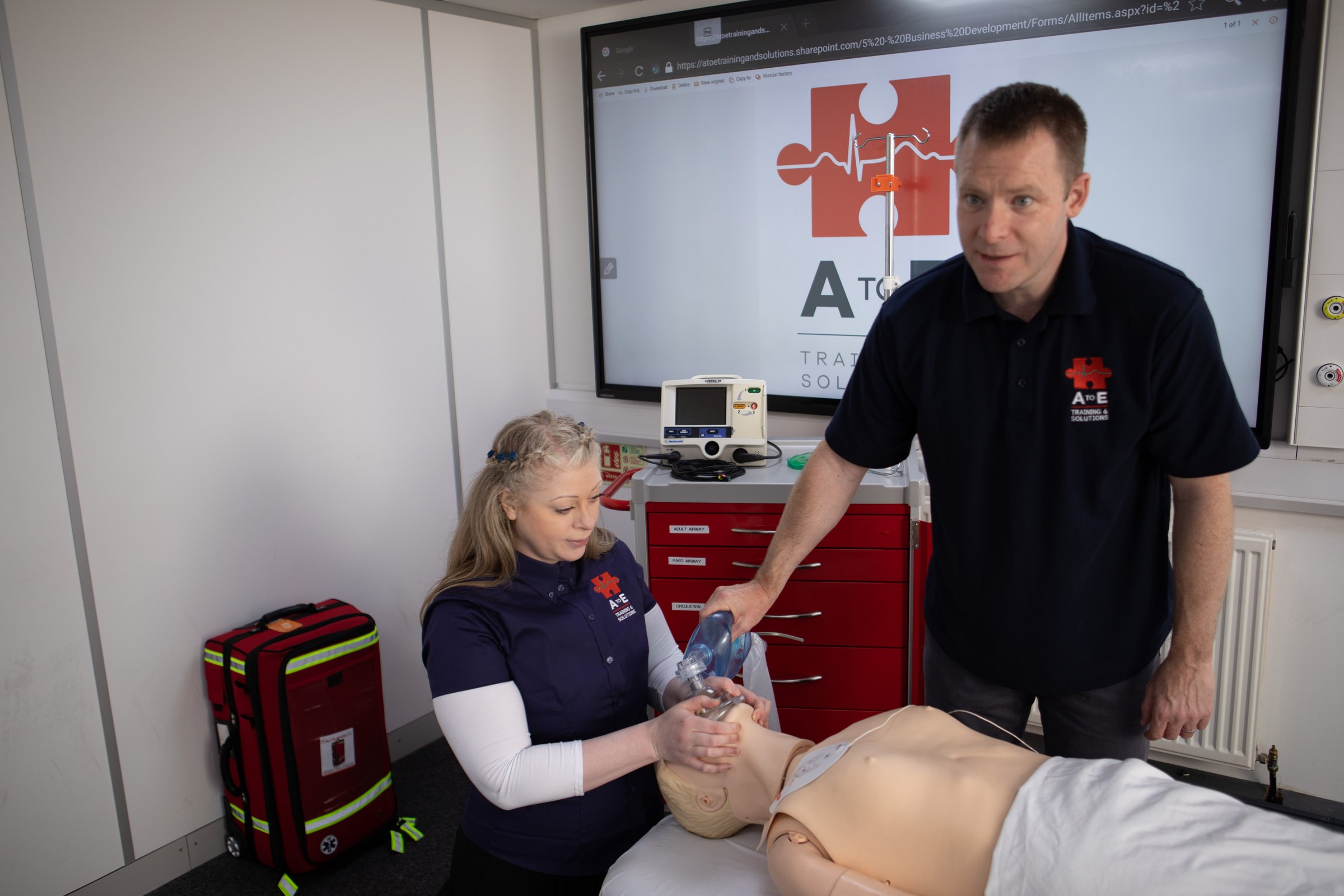
All of our team are qualified clinicians and subject matter experts in their own right, with real life clinical experience of the emergencies they simulate. Every member of our team is, or is working towards, an instructorship recognised by the Resuscitation Council UK, and we have a robust professional development programme in place.
We run in-situ clinical resuscitation simulations as part of a wider resuscitation offer. They can be combined with policy, audit and training support through our Comprehensive Resuscitation Service. This is internally quality controlled work, and as an organisation we hold Skills for Health Quality Mark accreditation.
Governance & Consulting
Who In-Situ Simulations Are For
In-situ clinical resuscitation simulations are designed for healthcare organisations that want to test the preparedness of their responders in a realistic way. They suit wards, departments, clinics and other clinical areas where staff may need to respond to a deteriorating patient or a cardiac arrest.
Staff take part within the scope and competency expected of their own clinical role, so the activity is relevant to mixed teams of different grades and professions.
Governance & Consulting
Outcomes of In-Situ Clinical Resuscitation Simulations
The expected outcomes include:
- Refreshing and upskilling of staff with improvements of technical and resuscitation clinical techniques and skills
- Improved human factors, including confidence, communication, task allocation, team working and leadership
- Opportunity to identify risk, assess emergency systems and processes
- Identification of potential risks to an organisation
- Identification of development needs of staff
- Demonstration of organisational commitment to ensuring patient safety
- A structured debrief to reflect, analyse and discuss the activity with the goal of identifying areas for improvement.
Governance & Consulting
How a Simulation Works
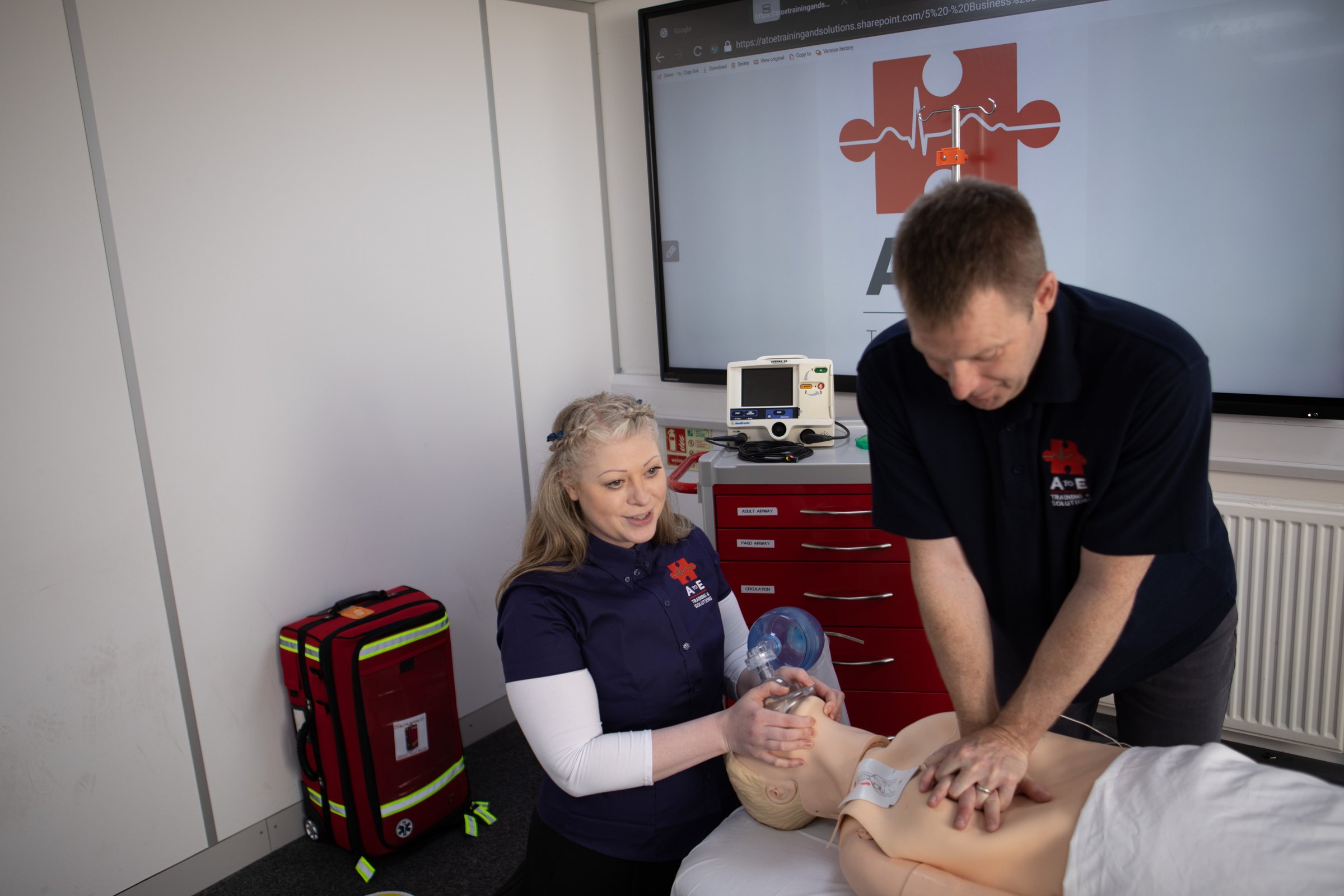
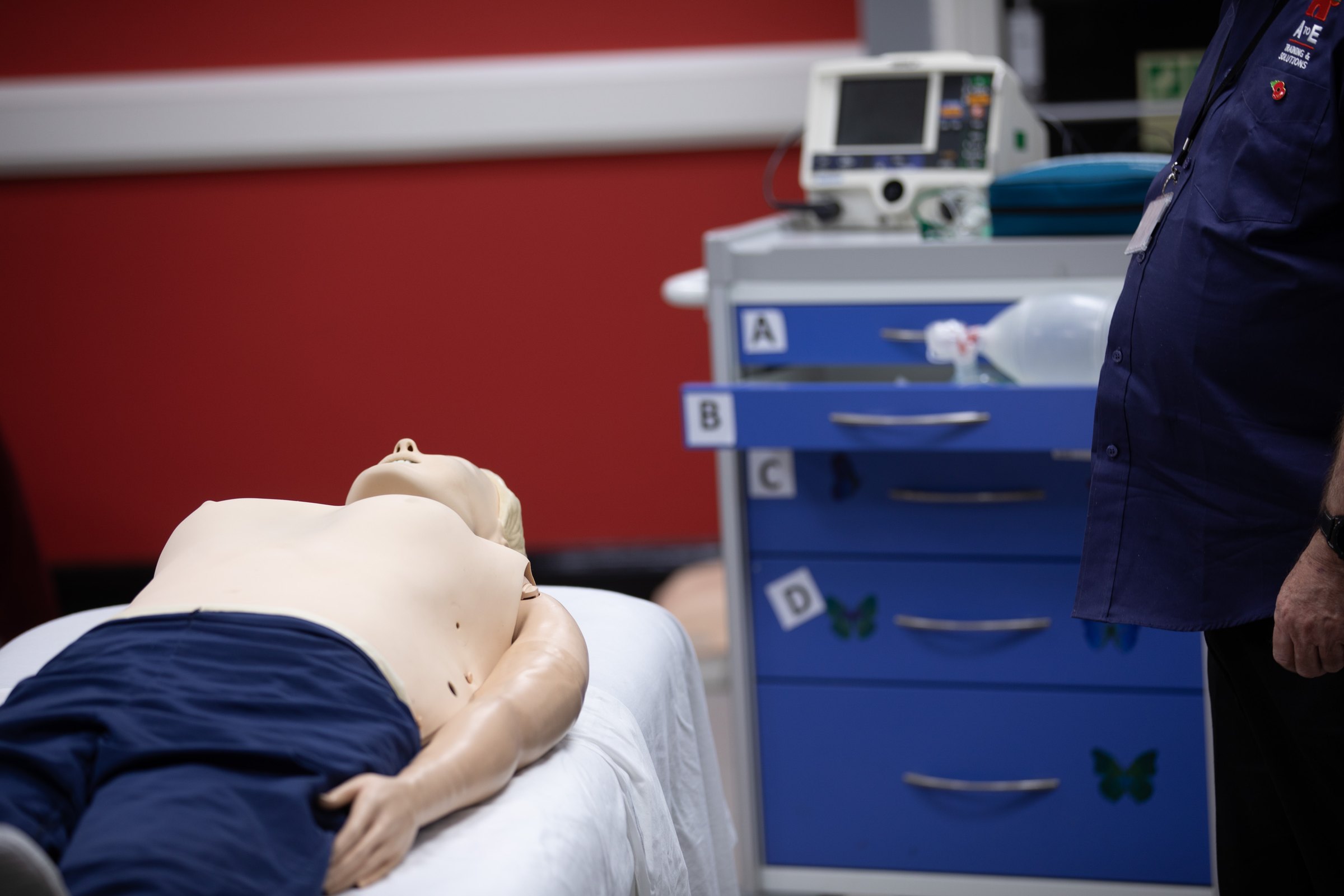
In-situ clinical resuscitation simulations have a duration of 4 hours. On the day, the scenario is run unannounced so that the response reflects what would happen in a real event. Staff locate and use local equipment, call for help through internal emergency systems and carry out the assessment and interventions their role requires.
Once the scenario ends, our instructors lead a structured debrief. This is a supportive space for the team to reflect on what happened, analyse decisions and discuss what could be improved. The focus is on learning and system improvement, not on blame.
If you would like your own staff to run simulations internally, our In-Situ Simulation Train the Trainer course can help, and our Clinical Incident Debrief Training supports teams after real events.
Governance & Consulting
Your Post-Simulation Report
Following the simulation, a comprehensive report is provided. This includes:
- A risk stratification rating
- A review of good practice
- Areas for improvement
- Recommendations and action plan.
The report gives managers and resuscitation leads a clear record of the activity and a practical plan to act on. It can also help you identify which staff would benefit from further training, such as our Immediate Life Support Course or Advanced Life Support Course.
Governance & Consulting
Where We Deliver In-Situ Simulations
In-situ clinical resuscitation simulations take place in your own clinical environment, which is the point of the exercise. The vast majority of the training we deliver is provided at client sites across the UK.
Our dedicated training facility is in Archway, North London, around 15 minutes from Central London by Underground, and is used for our classroom based courses.
Governance & Consulting
What Our Clients Say
“Nuffield health appointed A to E as its resuscitation provider in 2017 and since that time, A to E have fully supported us in various ways. This includes the provision of training, policy, construction and simulation activity.” Head of Clinical Governance and Professional Education, Nuffield Health
Frequently Asked Questions About In-Situ Clinical Resuscitation Simulations
What are in-situ clinical resuscitation simulations?
How long does a simulation take?
How does in-situ simulation benefit our staff?
What happens after the simulation?
Will staff know the simulation is happening?
Do staff receive a certificate?
Can simulations be part of a wider resuscitation service?
Book In-Situ Clinical Resuscitation Simulations
In-situ clinical resuscitation simulations give you an honest picture of how your teams and systems perform when it matters most, along with a clear plan to improve. Make an enquiry today and we will discuss how a simulation could work in your organisation.
"*" indicates required fields